Forget the fancy restaurants for a minute. The soul of Japanese cuisine often beats loudest on the bustling, steam-filled streets. Japanese street food, or yatai culture, is a vibrant, affordable, and deeply satisfying way to eat. It's where salarymen grab a quick bite, friends share skewers, and tourists have their taste buds awakened. But navigating this world can be tricky. Where are the best stalls? What should you order? How do you even order? I've spent years getting this wrong so you don't have to. This guide cuts through the noise and gives you the real map to Japan's edible treasures.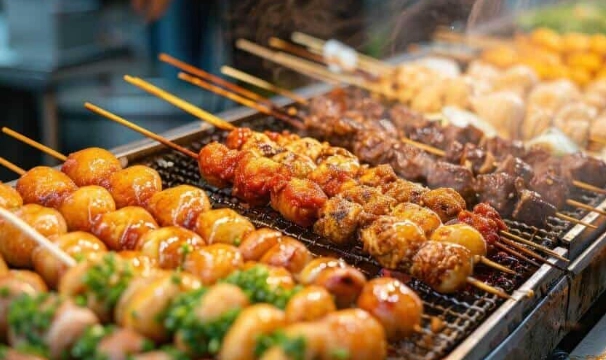
What's Inside This Guide
The Unmissable Classics: What to Eat First
Let's start with the essentials. These are the pillars of Japanese street food. You'll find variations everywhere, but mastering this list is your foundation.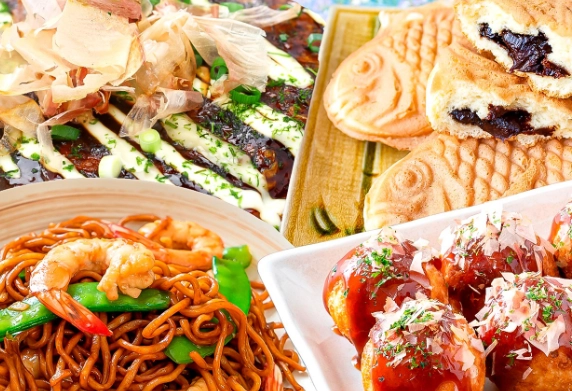
| Food | What It Is | Typical Price | Key Flavor Note |
|---|---|---|---|
| Takoyaki | Savory batter balls filled with diced octopus (tako), tempura scraps, and green onion, cooked in a special molded pan. | ¥400 - ¥600 (6-8 pieces) | Creamy inside, crispy outside, slathered in savory-sweet sauce, mayo, and bonito flakes. |
| Okonomiyaki | Often called a "Japanese savory pancake" or "pizza." A batter mixed with cabbage, meat/seafood, and topped with sauce, mayo, and seaweed. | ¥800 - ¥1,500 (one large pancake) | Hearty, umami-rich, and deeply customizable. Osaka style mixes everything; Hiroshima style layers ingredients. |
| Yakitori | Skewers of grilled chicken, from thigh (momo) to meatballs (tsukune) to skin (kawa), seasoned with salt (shio) or sweet soy tare. | ¥120 - ¥250 per skewer | Simple, smoky, and perfect with beer. Don't skip the tsukune; it's often the juiciest. |
| Taiyaki | A fish-shaped cake (usually a sea bream, symbolizing luck) with a crispy waffle-like exterior and a sweet filling, classically red bean paste (anko). | ¥150 - ¥250 per piece | Comforting, warm, and slightly crunchy. Modern versions have custard, chocolate, or sweet potato fillings. |
| Dango | Sweet rice flour dumplings on a skewer, served with various glazes like sweet soy (mitarashi), red bean paste, or soybean flour (kinako). | ¥200 - ¥350 per skewer | Chewy, subtly sweet, and a classic festival food. The mitarashi glaze is a sticky, savory-sweet masterpiece. |
A quick personal take: everyone raves about the famous chains for takoyaki, like Gindaco. They're good, consistent. But I've had my best takoyaki from a grumpy old man running a solo cart in a back alley near Shinsekai in Osaka. It was messier, less perfect, but had more character. The lesson? Don't just follow the biggest line; sometimes the quieter stall has the chef who's been doing it for 40 years.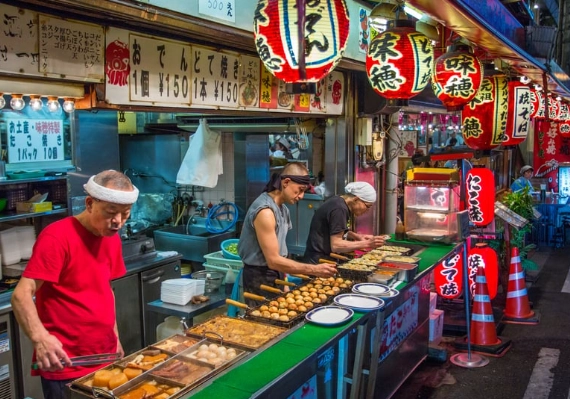
Beyond the Big Five: Hidden Gems
Once you've tried the classics, look for these.
Yaki Imo: A slow-roasted sweet potato, often sold from a truck with a distinctive melodic horn. It's pure, earthy sweetness. Perfect on a cold day. You buy it by weight.
Karaage: Japanese-style fried chicken. Street food versions are often a single, giant piece on a stick, juicy and heavily seasoned with garlic and soy. Far superior to most fast-food fried chicken.
Ikayaki: A whole grilled squid, basted with soy sauce. Chewy, smoky, and a serious protein hit. It's a test of your jaw strength but incredibly satisfying.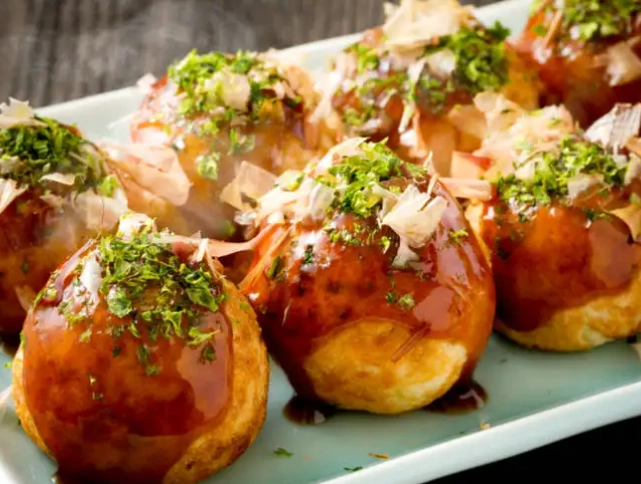
Street Food Hotspots: Tokyo, Osaka & Kyoto
Location is everything. While you can find stalls anywhere, these areas are street food meccas.
Tokyo: Ameya Yokocho (Ameyoko), Ueno
This market street under the Yamanote Line tracks is chaotic, loud, and utterly authentic. It's less about pretty tourism and more about feeding people. You'll find fresh seafood skewers, giant bags of candied fruit, and stalls selling mountains of pickles alongside takoyaki and yakitori.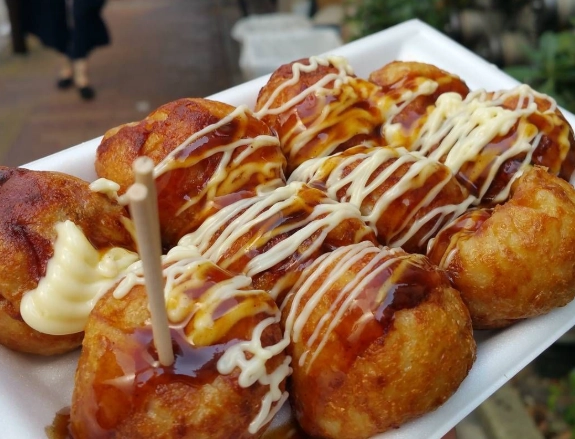
How to get there: A 2-minute walk from Ueno Station.
Vibe: Energetic, bargain-friendly, local.
Must-try stall: Look for the yakitori stalls with salarymen crowded around plastic beer crates. That's where the good stuff is.
Osaka: Dotonbori & Shinsekai
Osaka is Japan's street food capital. Dotonbori is the neon-lit spectacle, home to the famous Glico Running Man sign. Here, you'll find iconic takoyaki shops like Kukuru and giant crab legs. For a grittier, more nostalgic feel, head to Shinsekai. This area, centered around Tsutenkaku Tower, feels frozen in the Showa era. It's the birthplace of kushikatsu (deep-fried skewers), and the rule is strict: no double-dipping your shared sauce!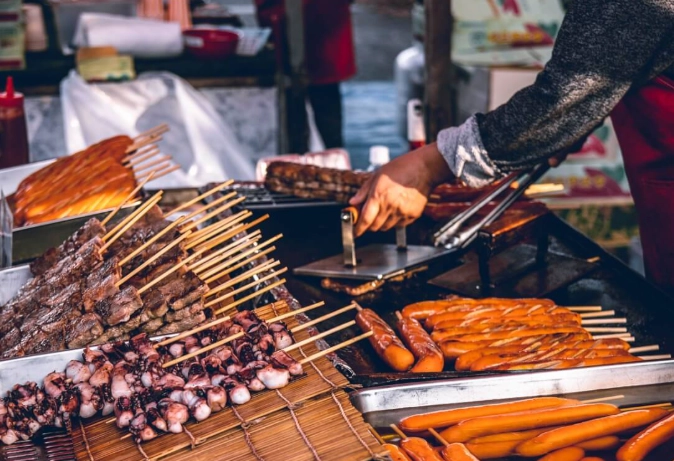
How to get there: Dotonbori is a short walk from Namba Station. Shinsekai is near Shin-Imamiya or Dobutsuen-mae stations.
Vibe: Dotonbori is touristy but essential. Shinsekai is rough-around-the-edges and full of character.
Kyoto: Nishiki Market
Known as "Kyoto's Kitchen," this narrow, covered market street is more refined but packed with edible wonders. It's a mix of street food-ready snacks and ingredients to take home. You'll find delicate tamagoyaki (rolled omelette) on sticks, mochi stuffed with fresh strawberries, and samples of every pickle imaginable.
How to get there: A 5-minute walk from Shijo Station on the Karasuma subway line.
Vibe: Bustling but orderly, a mix of tourists and locals doing grocery shopping.
Pro-tip: Go hungry, but go early. It gets uncomfortably crowded by midday.
How to Order at a Japanese Street Food Stall Like a Local
This is where most first-timers freeze. It's not a restaurant. The process is fast.
First, observe. A typical stall has a display of food or plastic models, a counter, and the chef working the grill. There's rarely a menu in English, but the items are usually visible.
When it's your turn, point directly at what you want. Use numbers. "Takoyaki, futatsu" (two orders of takoyaki). "Yakitori, momo shio, hitotsu" (one chicken thigh skewer with salt). Don't worry about perfect pronunciation; pointing is universal. They might ask "Kochira de?" meaning "Here?" (to eat on the spot). Nod and say "Hai" (yes).
Now, the eating part. Many stalls have a small standing area or a few stools. It's customary to eat your food right there, not walk away. They'll hand you your food on a little plate or in a boat-shaped container. There's often a small trash bin nearby for the sticks and wrappers. Dispose of it yourself. This isn't a full-service experience; you're part of the efficient machine of the stall.
Budget Tips & Street Food Etiquette You Shouldn't Ignore
You can eat like a king on a budget. A filling street food meal might cost you ¥1,500 to ¥2,500, far less than a sit-down restaurant. Share items. Order one takoyaki to split, then move to the next stall for yakitori. This "stall-hopping" is the best way to experience variety.
On etiquette, most is common sense, but a few things are uniquely Japanese.
Don't walk and eat. This is the big one. While it's slowly changing in super-touristy spots like Dotonbori, it's still considered messy and impolite. Eat at the stall or find a nearby public bench or riverbank.
No double-dipping in shared sauce. This is a cardinal sin, especially at kushikatsu places. You take a bite, then you're done with the sauce. If you want more, use the cabbage leaf provided to spoon more onto your plate.
Say "gochisosama deshita." After you finish and hand back your plate or throw your trash away, a quick nod and this phrase (meaning "thank you for the meal") to the vendor is a nice touch. They'll appreciate it.
Your Burning Street Food Questions Answered
What's the biggest mistake people make when ordering at a Japanese street food stall?
Hesitating and blocking the counter. These stalls operate on speed. Know what you want roughly before you're at the front. Fumbling with your wallet or having a long discussion with your group while the vendor waits creates a subtle but real social friction. Have your cash ready, point, speak clearly, and step aside to eat.
Is Japanese street food safe to eat for travelers?
Generally, yes, it's extremely safe. Food hygiene standards are high. Look for stalls with a high turnover—a busy stall means fresh food. Trust your eyes. If the grill or preparation area looks clean and the vendor is handling food properly (using tongs, not bare hands on ready-to-eat items), you're fine. I've eaten from hundreds of stalls over the years and never had an issue.
What should I do if I have dietary restrictions (vegetarian, gluten-free)?
This is challenging. Many sauces contain dashi (fish stock) or wheat-based soy sauce. Takoyaki batter has dashi. Okonomiyaki sauce contains wheat. Your best bets are plain yaki imo (sweet potato), some types of dango (check the glaze), roasted chestnuts, or fresh fruit skewers. For anything more complex, you'll need a printed allergy card in Japanese or stick to dedicated vegetarian restaurants. Street food culture isn't built for customization.
How do I find the best, most authentic stalls and avoid tourist traps?
Two simple filters: location and clientele. First, venture one or two streets back from the main tourist drag. The stalls there cater more to locals. Second, look at who's eating there. If it's mostly other tourists with cameras, it's a tourist spot (which isn't always bad, but might be pricier). If it's office workers, market laborers, or older locals, you've hit gold. Also, a stall that specializes in just one or two things is usually better than one trying to do everything.
Should I use cash or card for street food in Japan?
Always, always have cash. While digital payments are growing, the vast majority of street food vendors, especially the older, more authentic ones, operate on cash only. Assume every transaction will be cash. Load up on yen from an ATM (7-Eleven ATMs are the most foreigner-friendly) and keep smaller denominations handy for those ¥300 skewers.