Let's be honest. Most camping safety advice reads like a boring manual your parents would give you. It's all "don't play with fire" and "watch out for bears." Real wilderness safety isn't about paranoia; it's about smart preparation that lets you relax and actually enjoy the stars. I've spent over a decade guiding trips from the Rockies to the Appalachians, and the biggest mistakes I see aren't dramatic—they're subtle, easily overlooked, and can turn a weekend getaway into a miserable (or dangerous) ordeal.
This guide cuts through the generic tips. We'll focus on the precautions that genuinely matter, the ones seasoned campers swear by, and the common blunders beginners make without even realizing it. Your goal isn't to survive your trip—it's to thrive in the outdoors, confidently.
Quick Navigation: Your Safety Checklist at a Glance
- The Non-Negotiables: Pre-Trip Planning & Research
- Setting Up a Fortress: Campsite Selection and Setup
- Fire Safety Beyond the Basics
- Coexisting with Wildlife (It's Not Just About Bears)
- When the Sky Turns: Weather Preparedness
- Building a First Aid Kit That's Actually Useful
- Your Burning Safety Questions, Answered
The Non-Negotiables: Pre-Trip Planning & Research
Your safety starts days before you zip up your tent. Rushing this phase is mistake number one.
Tell Someone Your Plans. And I mean specifics. Not just "going to the state park." Email or text a trusted person: exact trailhead name, your planned route (even if it's a short loop from the campground), your campsite number if reserved, your vehicle make and plate, and your expected return date and time. Give them the phone number for the local ranger district. This simple act is the single most effective rescue tool if you get into trouble. I once had a hiking buddy twist an ankle miles from the trailhead. Because our friend back home knew our exact itinerary, she was able to direct rangers right to us.
Research the Specific Area. Go beyond the park's Instagram page. Visit the official website of the US Forest Service or National Park Service managing the land. Look for:
- Current Alerts: Trail closures, fire bans, active bear activity, flooding.
- Regulations: Are bear canisters required? Is dispersed camping allowed? What are the firewood rules (to prevent spreading invasive insects)?
- Weather Patterns: Microclimates are real. A valley can be sunny while the ridge is in a thunderstorm. Understand the typical conditions for the season.
Setting Up a Fortress: Campsite Selection and Setup
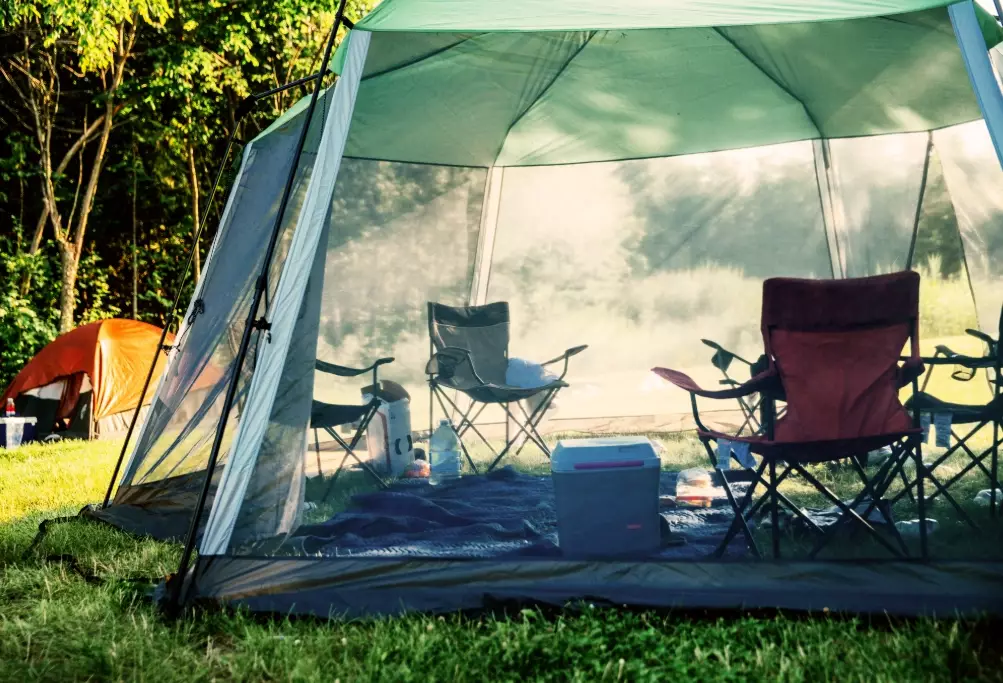
Where you pitch your tent is more critical than the tent itself. Follow the 200-foot rule from water sources (lakes, streams) to protect water quality and avoid damp, buggy ground. But there's more.
Scan the Area Like a Scout. Look up. I mean really look up. Are there dead branches hanging directly overhead? These "widowmakers" can fall silently in the night, especially in wind. Look around. Is the ground level and free of large rocks and roots? A sloped site means you'll slide all night. Look for signs of animal trails or scat.
The Kitchen Zone is a Danger Zone. Store all food, trash, toiletries (toothpaste, deodorant, sunscreen), and even dirty cooking clothes in a bear-resistant container or hung properly in a bear bag at least 100 feet downwind from your sleeping area. Your car is NOT a bear-proof container in many areas—bears have learned to pry doors open. A clean camp is a safe camp. Wipe down picnic tables and never, ever bring food into your tent.
| Campsite Feature | Good Choice | Bad Choice (The Common Mistake) |
|---|---|---|
| Location Relative to Water | On high ground, >200 ft from shore | Right next to the lake for the view (damp, impacts ecology) |
| Overhead Hazards | Clear sky above tent | Under a large dead snag or rocky outcrop |
| Ground Slope | Perfectly flat or very slight grade | Noticeably sloped (you'll wake up in a heap) |
| Kitchen Area | 100+ ft downwind from sleep site | Right outside the tent door for convenience |
Fire Safety Beyond the Basics
Everyone knows to drown a fire. But let's talk about the mistakes that cause most wildfires.
First: Know if You Can Even Have One. Check for active fire bans. In dry seasons, many areas prohibit fires entirely. A portable camp stove is always a safer, more reliable cooking option.
If Fires Are Allowed: Use an established fire ring. Clear a 10-foot diameter around it of all leaves, twigs, and flammable material. Keep the fire small—you're not signaling for rescue. The biggest error? Building a fire against a large rock or log. The heat can soak into that material and smolder for hours, starting a fire long after you've left. Always build your fire on bare mineral soil.
Extinguishing is a Process, Not an Action. Pour water, stir the ashes with a stick, pour more water, stir again. Feel the ashes with the back of your hand. If it's warm, it's not out. Repeat until it's cold to the touch. I carry an extra dedicated water bottle just for this.
Coexisting with Wildlife (It's Not Just About Bears)
Bears get the headlines, but smaller critters cause more trouble.
Rodents & Raccoons are relentless food thieves. They'll chew through your tent fabric or backpack for a single granola bar crumb. That's why the 100-foot food storage rule applies to everyone, everywhere, not just bear country.
For Bear Country: Know the difference between black and grizzly bears (terrain and park info will tell you). Carry bear spray and know how to use it—it's not perfume; practice the quick-draw. Keep it accessible, not buried in your pack. Make noise on trails, especially near streams or in thick brush. A startled bear is a defensive bear.
But here's the nuanced advice most miss: Bugs and plants can be the real hazard. Know how to identify poison ivy, oak, or sumac ("Leaves of three, let it be"). Tick checks are a nightly ritual—they carry Lyme and other diseases. Mosquitoes can ruin a trip; use EPA-registered repellent with DEET, picaridin, or oil of lemon eucalyptus.
The Snake Situation
In many regions, venomous snakes like rattlesnakes are a fact of life. They're not aggressive, just defensive. Watch where you step and where you put your hands, especially when gathering firewood or climbing rocks. Give them a wide berth if you see one. Most bites occur when people try to handle or kill them.
When the Sky Turns: Weather Preparedness
Weather changes fast in the mountains. Hypothermia can occur even in summer if you're wet and windy.
Thunderstorms: If you hear thunder, you're close enough to be struck. Get off ridges, peaks, and open water immediately. Avoid solitary tall trees. The safest place is in a low-lying area among a cluster of smaller trees. Crouch on your sleeping pad to insulate yourself from ground current.
Wind: Properly stake and guy out your tent. Use all the points. I've seen more tents collapse from a midnight gust because someone skipped a few stakes than from any other cause.
Rain: A pack cover and dry bags for your sleeping bag and clothes are non-negotiable. Pack your sleeping bag at the bottom of your pack in a compactor bag—it's cheap and absolutely waterproof.
Building a First Aid Kit That's Actually Useful
Store-bought kits are often full of tiny bandaids and not much else. Build or supplement your own.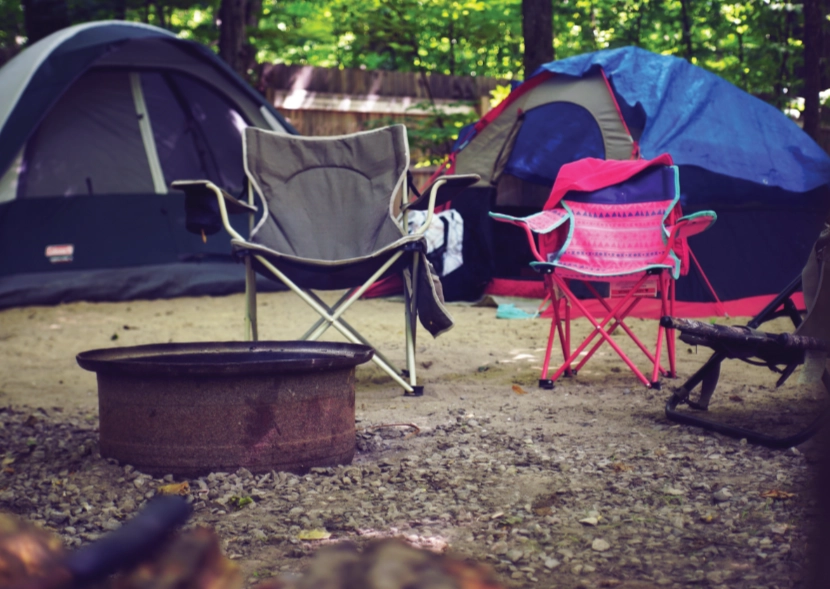
Must-Have Additions:
- Blister Care: Moleskin or specialized blister patches like Compeed. Duct tape works in a pinch.
- Medications: Personal prescriptions, antihistamine for allergic reactions, ibuprofen, anti-diarrheal.
- Tools: Tweezers (for splinters, ticks), safety pins, a small multi-tool, a headlamp (not a flashlight—hands-free is crucial).
- Knowledge: Take a basic wilderness first aid course. Knowing how to clean a wound properly, recognize heat exhaustion, or stabilize a sprain is more valuable than any gadget.
My kit always has a few zip-top bags and a small roll of duct tape wrapped around a water bottle. They fix more than just gear.
Your Burning Safety Questions, Answered
What's the one piece of safety gear most first-time campers forget?
A reliable water purification method and a backup. Assuming stream water is safe is a classic, dangerous error. Giardia will wreck your trip. Always carry a filter, chemical treatment (like Aquamira tablets), or a way to boil water. And have a backup in case your filter fails.
How do I actually keep my food safe from animals without a bear canister?
The classic "bear hang" is tricky to do right. You need a sturdy bag, 50+ feet of cord, a throw bag, and a branch at least 15 feet high and 10 feet out from the trunk. Most people hang it too low or too close to the tree. In many high-pressure areas, bears have defeated hangs. If canisters aren't required but bears are present, I'd still rent or buy one. It's foolproof and you'll sleep better.
 Is it safe to camp alone? What extra precautions should I take?
Solo camping can be incredibly rewarding, but it multiplies the consequences of any mistake. Your planning and communication need to be flawless. Stick to well-traveled, familiar areas at first. Carry a personal locator beacon (PLB) or satellite messenger (like a Garmin inReach). This isn't just for emergencies; being able to send a nightly "I'm OK" check-in to your contact provides immense peace of mind for everyone.
What should I do if I get lost on a short hike from my campsite?
STOP. Stop, Think, Observe, Plan. Do not panic and run. Most people are found within 72 hours if they stay put. If you have a whistle, blow three sharp blasts (the universal distress signal). If you told someone your plan and have a check-in time, rescue will be initiated. Conserve energy, stay hydrated, and signal for help. This is why having a whistle, a bright item for signaling, and extra water on even a "short" hike is crucial.