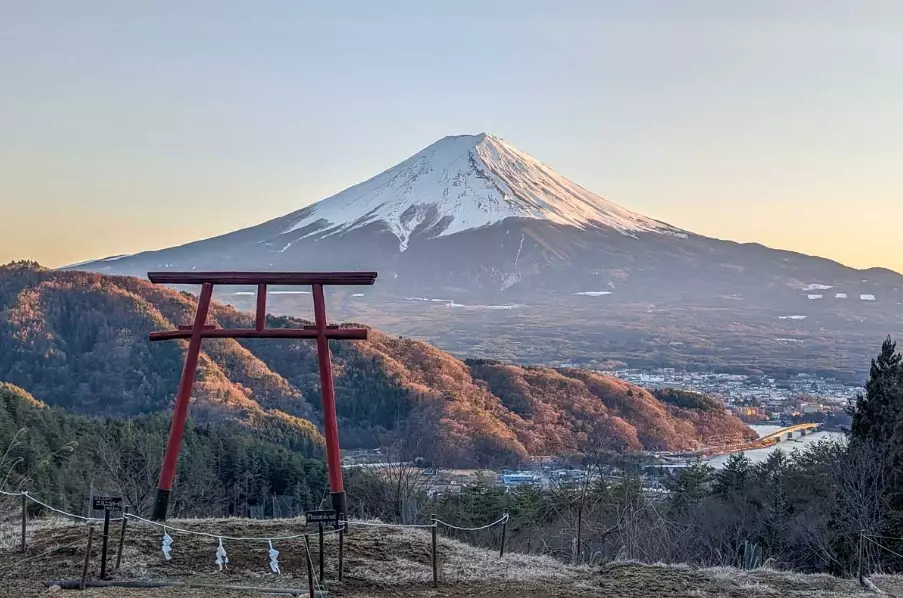
Let's be honest. You've seen the pictures. That perfect cone against a blue sky, maybe with cherry blossoms or a red pagoda in the foreground. Visiting Mount Fuji feels like checking off a life goal. But between that dream and reality lies a lot of planning—and potential pitfalls. I've been there, made the mistakes (like trying to climb in jeans), and learned the hard way. This isn't just a list of facts. It's the guide I wish I had, packed with the nitty-gritty details that turn a good trip into an epic one. We'll cover where to get that iconic shot, how to tackle the climb if you're up for it, where to stay, and how to dodge the crowds that flock to Japan's most famous landmark.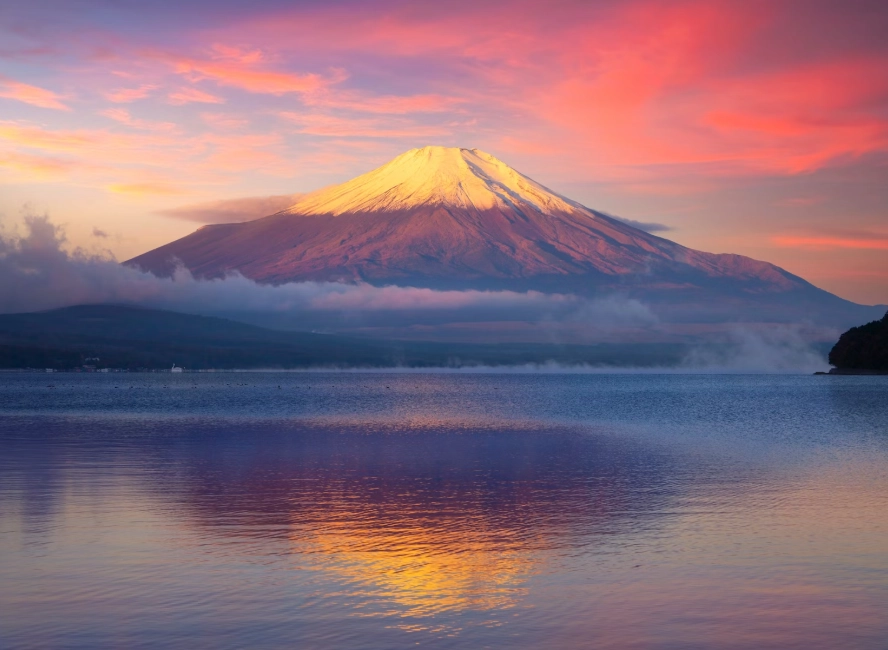
Your Mount Fuji Trip at a Glance
Where to Get the Best Views of Mount Fuji
First thing: Fuji is notoriously shy. Cloud cover can ruin your view for days. The best season for clear skies is from late autumn to early spring (November to February). Winter offers stunning snowy peak views with less haze. Summer? That's climbing season, but often hazy.
Forget just one spot. You need a strategy based on your trip style.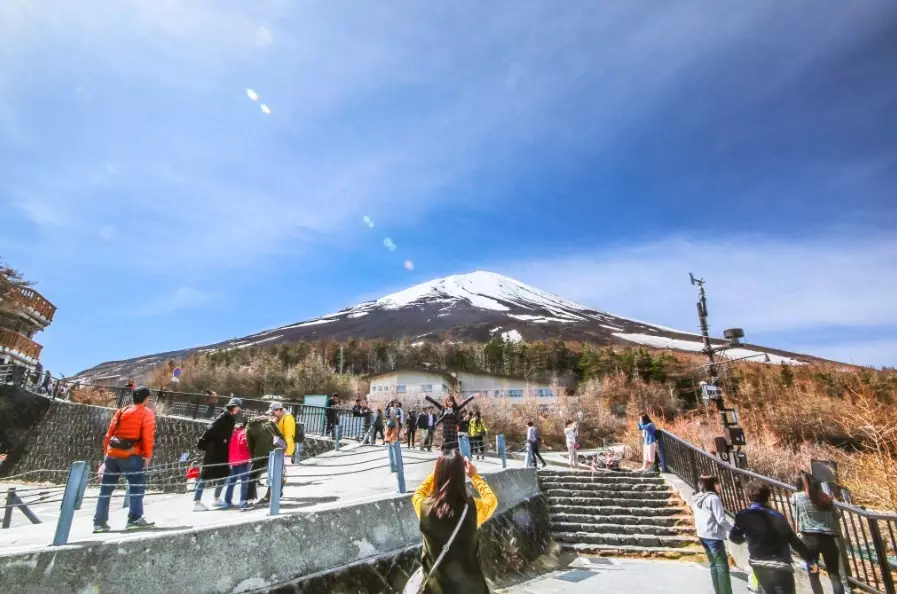
The Classic Postcard Shot: Fuji Five Lakes (Fujigoko)
The north side, centered on Lake Kawaguchiko, is the most accessible and view-rich area. It's where you'll find those iconic pagoda shots.
Top 3 Viewpoints Around Kawaguchiko
Chureito Pagoda: The famous one. It's a 400-step climb from the station, but worth it. Best light is early morning. Address: Shimo Yoshida, Fujiyoshida City. Free to access.
Oishi Park: On the north shore of Lake Kawaguchiko. Great for lake reflections of Fuji, with seasonal flower fields. No entrance fee. Kawaguchiko Station to Oishi Park: 25 min by Retro Bus.
Kawaguchiko Music Forest Museum: A bit touristy, but the garden offers a pristine, manicured view of Fuji across the lake. Entry fee: ~1,500 yen. It's a safe bet if clouds are rolling in and out.
Getting to Fuji Five Lakes from Tokyo: Take the JR Chuo Line from Shinjuku to Otsuki, then transfer to the Fujikyu Railway to Kawaguchiko Station (about 2 hours total). The Japan Guide website has excellent train timetables.
The Quiet Alternative: Hakone
Hakone offers a different vibe—onsen, museums, and volcanic activity—with Fuji views as a bonus. The view from Lake Ashi (Ashinoko) from the pirate ships or Owakudani valley can be spectacular. But it's more distant than the Five Lakes view. Perfect if you want a resort-style trip with a chance of seeing Fuji.
The Insider's Spot: Fuji Shibazakura Festival
If you're visiting in late April to early May, the Fuji Shibazakura Festival is a knockout. Millions of pink moss phlox bloom with Fuji as the backdrop. It's crowded, but the photo op is unique. It's near Lake Motosuko (one of the Five Lakes). Check the official Shibazakura Festival site for exact dates.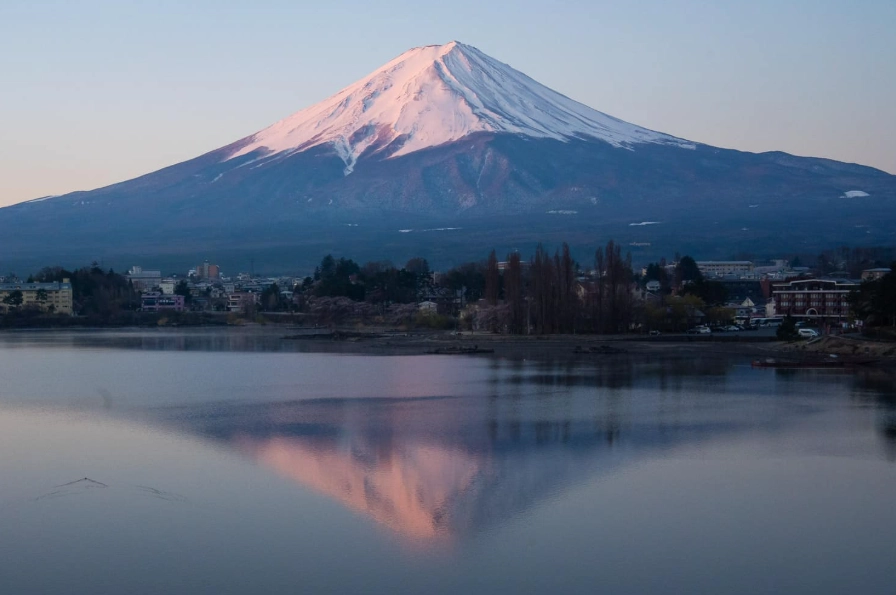
Climbing Mount Fuji: A Realistic Guide
Climbing Fuji is a brutal, beautiful slog. It's not a technical hike, but it is a high-altitude endurance test. The official climbing season is shockingly short: early July to early September. Any other time, the trails are officially closed—no facilities, extreme weather danger, and you're on your own. Don't do it.
Picking Your Trail: Yoshida is the Beginner's Choice
There are four main trails. For first-timers, the Yoshida Trail (starting from the Fuji Subaru Line 5th Station on the Yamanashi side) is the most popular and has the most mountain huts. It's crowded, but that means help is nearby if you need it.
| Trail | Starting Point (5th Station) | Ascent Time | Key Feature |
|---|---|---|---|
| Yoshida | Fuji Subaru Line (Yamanashi) | 5-7 hours | Most huts, busy, best for sunrise. |
| Subashiri | Subashiri (Shizuoka) | 5-7 hours | Forest start, merges with Yoshida. |
| Gotemba | Gotemba (Shizuoka) | 7-9 hours | Longest, least crowded. |
| Fujinomiya | Fujinomiya (Shizuoka) | 4-6 hours | Shortest but steepest. |
The climb isn't free. A mandatory 1,000 yen conservation donation is requested at the 5th Station. It goes towards maintaining the trails and facilities.
The Mountain Hut Decision: To Sleep or Not to Sleep?
Most aim for the sunrise (Goraiko). To do that, you have two options: 1) Climb through the night, or 2) Reserve a spot in a mountain hut, sleep a few hours, then summit early. Option two is vastly safer and more enjoyable.
Here's the non-consensus tip everyone misses: Book your hut the moment reservations open (usually April). They sell out fast. A typical hut costs 8,000-10,000 yen for a spot in a shared dorm, including two meals. Try the official Mount Fuji website for links to hut associations.
Packing list essentials everyone forgets: Headlamp (hands-free is crucial), cash (no ATMs up there, toilets cost 200-300 yen), high-altitude headache pills, and thick gloves—the volcanic rock is sharp and the chains/ropes are cold and rough.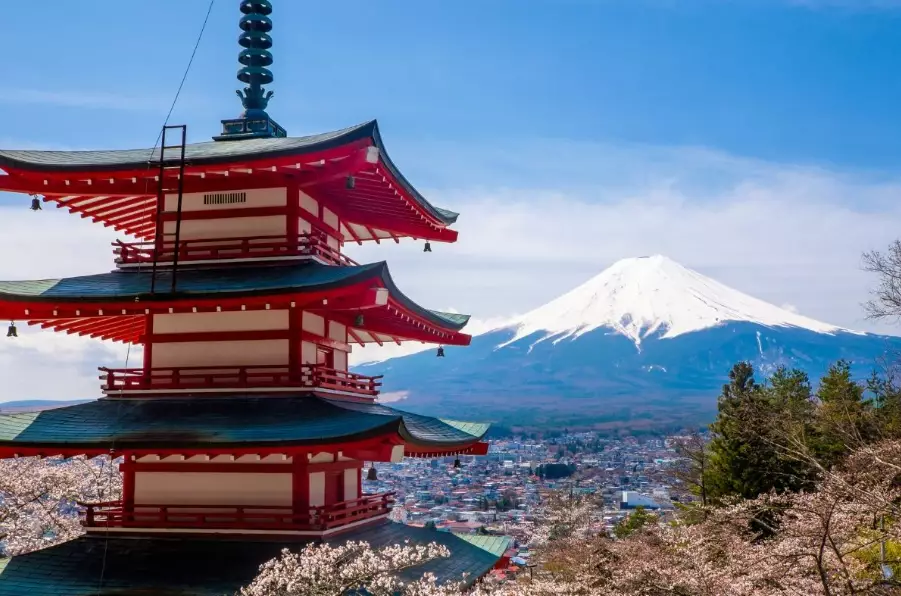
Where to Stay and Eat Around Mount Fuji
If you're not climbing, base yourself for comfort and views.
Hotels with a View (Kawaguchiko Area)
Fuji Lake Hotel: One of the oldest, western-style. Some rooms have direct lake and Fuji views. Gets booked early. Address: 1 Funatsu, Fujikawaguchiko. Rates from ~20,000 yen/night.
Kozantei Ubuya:A high-end ryokan (Japanese inn) with private onsen baths overlooking the lake and Fuji. A splurge, but unforgettable. Address: 8-1 Nagahama, Fujikawaguchiko. Rates from ~60,000 yen/person with meals.
Fuji Kawaguchiko Onsen Konanso: Great mid-range option with public and private onsens. The rooftop bath has an open-air view. Address: 7-1 Funatsu, Fujikawaguchiko.
What and Where to Eat
Try Hoto—a local specialty. It's a thick, flat noodle stew with pumpkin and vegetables in a miso broth. Warms you up perfectly. Hoto Fudo near Kawaguchiko Station is a famous, bustling spot for it (expect a queue).
For something unique, Yoshida Udon in Fujiyoshida City is a thick, chewy udon served in a soy-based broth. It's a climber's traditional meal.
My personal take? The restaurants right on the lakefront can be overpriced and underwhelming. Walk a few blocks into town for better value and more authentic spots.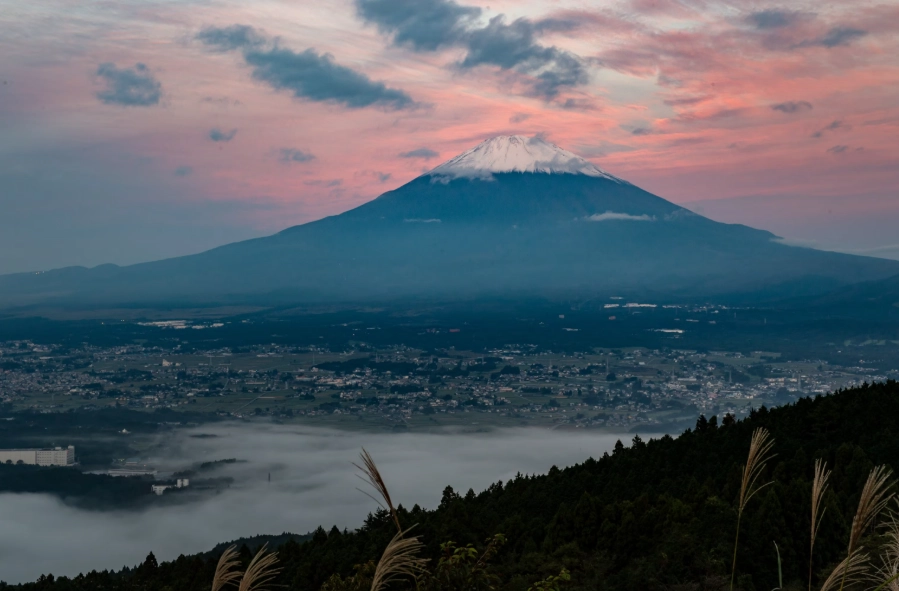
How to Plan Your Mount Fuji Itinerary
Stop trying to fit Fuji into a half-day from Tokyo. You'll spend more time on trains than enjoying the view. Here are two solid plans.
The Efficient 2-Day, 1-Night Getaway (Non-Climber)
Day 1: Take an early morning train from Shinjuku to Kawaguchiko. Drop bags at your hotel or a coin locker. Bus to Chureito Pagoda for morning photos. Afternoon, explore Oishi Park or the Music Forest. Relax in an onsen in the evening.
Day 2: Sunrise view of Fuji (if clear). Visit the Fujisan World Heritage Center (free and excellent for understanding the mountain's cultural significance). Take a late afternoon train back to Tokyo.
The 3-Day Climbing Adventure
Day 1: Travel to Kawaguchiko, acclimate. Stay at a hotel at the base, do light sightseeing. Hydrate.
Day 2: Take a bus to the 5th Station (~1,500 yen one way) around noon. Start climbing by 1-2 PM. Reach your reserved mountain hut by 5-6 PM. Eat, rest, try to sleep.
Day 3: Hut staff wakes you around 2 AM. Summit for sunrise (~1-2 hour climb from hut). Circumnavigate the crater, then begin the long descent. You'll be back at the 5th Station by late morning. Return to Tokyo a hero, and very, very sore.