Let's get one thing straight: you don't need a closet full of expensive technical gear to start trail running. The marketing makes it seem that way, but after a decade of running everything from smooth forest paths to exposed mountain ridges, I've learned the hard way what's essential and what's just noise. The core trail running essentials come down to a few key items that keep you safe, comfortable, and moving forward when you're miles from the trailhead. Forget the fancy extras for now. We're talking about the non-negotiables—the stuff that, if you get wrong, can turn an adventure into a miserable slog or, worse, a safety issue.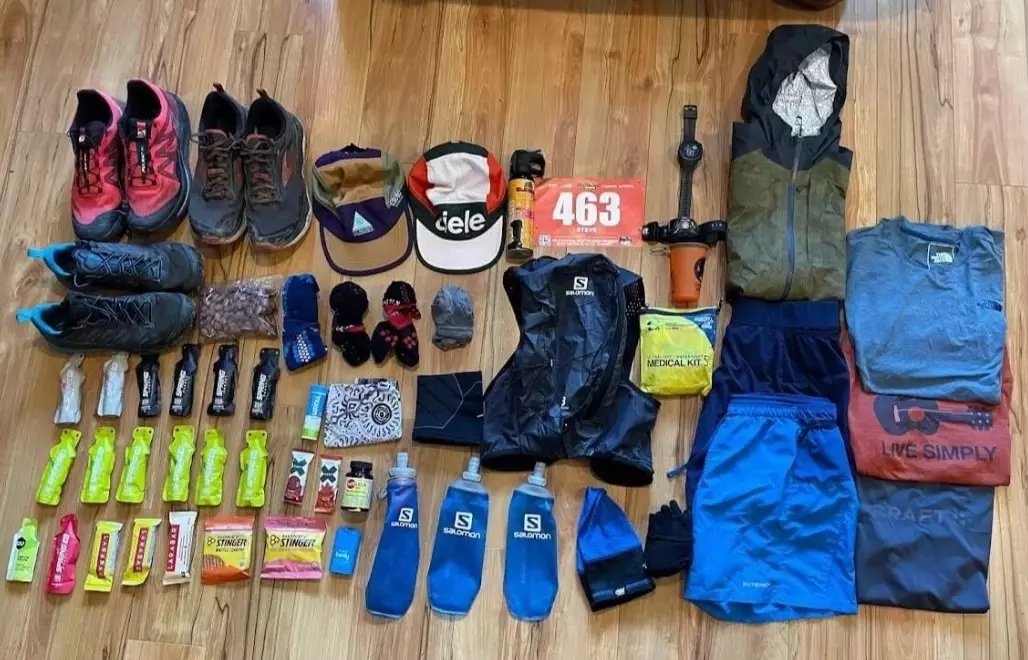
Your Quick Trail Guide
Footwear: The One Thing You Can't Screw Up
Your road shoes won't cut it. I've seen people try, and it usually ends with a slip or a twisted ankle on loose gravel. The difference isn't just marketing—it's in the sole, the fit, and the protection.
The Lug Pattern is your connection to the ground. Deep, multi-directional lugs (those knobs on the sole) bite into mud, soft dirt, and loose scree. For hard-packed or rocky trails, a shallower, more closely spaced lug works better. A common mistake is going too aggressive for the terrain you actually run. That super-gnarly shoe feels unstable on hardpack.
Toe Protection isn't optional. A reinforced toe bumper saves your toes from roots and rocks. I've stubbed my foot hard enough on a hidden root to see stars; the bumper took the hit, not my toenail.
Fit is King. Your foot will swell on long, hot runs. You need a thumb's width of space beyond your longest toe. The heel should be locked in, but the forefoot should have room to splay. Go try them on in the afternoon when your feet are naturally larger. Wear the socks you plan to run in.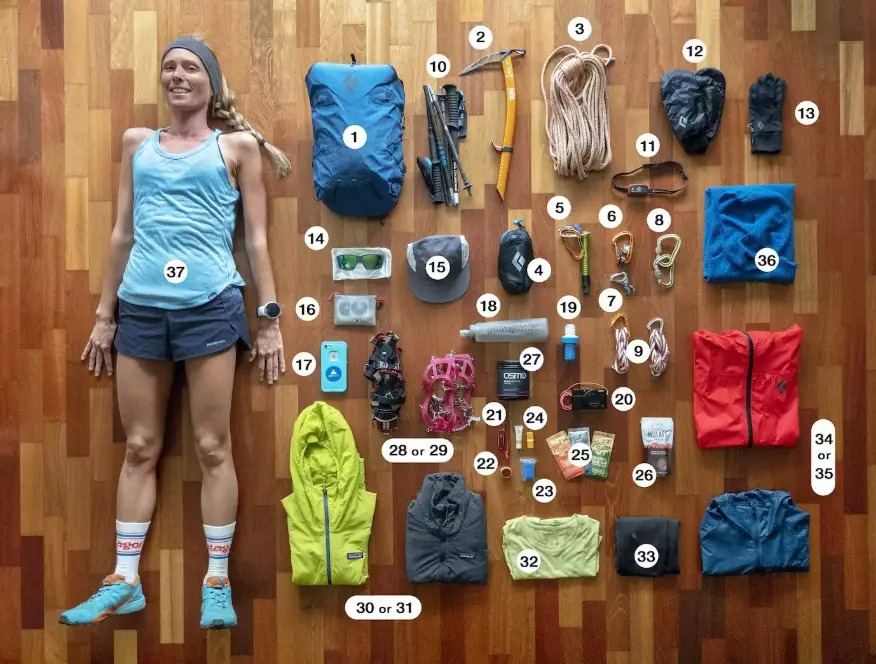
Pro Tip Most Guides Miss: Your socks are almost as important as your shoes. A single blister can ruin your day. Avoid cotton at all costs. A thin, seamless merino wool or synthetic blend sock wicks moisture and reduces friction. I'm a convert to toe socks for long runs—they prevent blisters between toes completely.
| Trail Type | Shoe Characteristic | Example Use Case |
|---|---|---|
| Hard-Packed & Rocky | Firmer midsole, lower stack height, rock plate, shallow lugs | Running in the desert or on rocky mountain ridges |
| Mixed & Rolling Terrain | Moderate cushion, balanced lug depth (4-5mm), some flexibility | Most forest trails, park paths with dirt and some roots |
| Mud & Soft Ground | Aggressive, deep lugs (6mm+), often less cushion, drainage ports | Spring trails in the Pacific Northwest, post-rain runs |
| Long Distance & Technical | Maximum cushion, rock plate, secure upper, durable outsole | 50K ultramarathons or rocky, multi-hour adventures |
Hydration, Nutrition & How to Carry It
On the road, you can often find a water fountain. On the trail, you're on your own. Your hydration strategy is a safety essential.
Handheld Bottles vs. Hydration Vests
This is personal, but here's my take after using both for years.
Handheld bottles (with a strap) are brilliant for runs under 90 minutes on familiar trails. One 500ml bottle is often enough. They're simple, easy to clean, and force you to drink regularly because it's right there. The pocket on the strap is perfect for a key, a gel, and your phone.
Hydration vests become essential the moment you venture further, need more gear, or are running in variable weather. They distribute weight evenly across your torso. The biggest mistake I see is buying a vest that's too big. It should fit snugly, like a piece of clothing, not bounce. Load it up in the store and jog around. The U.S. Forest Service always emphasizes carrying extra water in remote areas—a vest lets you do that comfortably.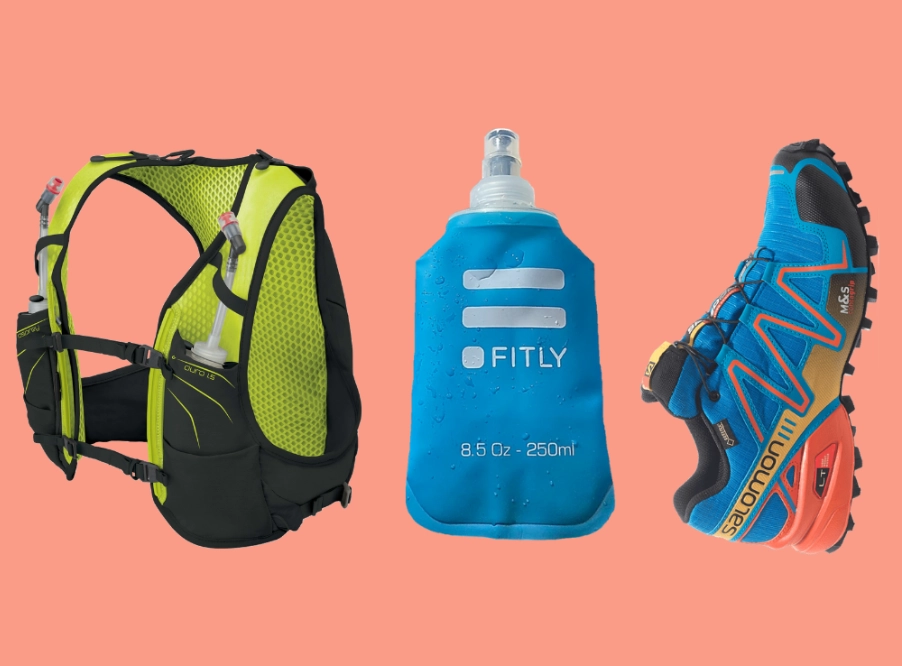
What goes in the vest? For a 2-3 hour run, my pack list looks like this:
- Water: 1-1.5 liters in a bladder or two soft flasks.
- Nutrition: 200-300 calories per hour planned. Real food like dates or bars often sits better than gels alone.
- Phone (in a zip-top bag).
- Light jacket if weather is uncertain.
- The safety kit (covered next).
Technical Apparel & The Art of Layering
Cotton is the enemy. It absorbs sweat, gets heavy, chafes, and loses all insulation when wet. Every single item touching your skin should be synthetic or merino wool.
The magic is in layering. You'll heat up on climbs and chill on descents or if the weather turns.
Base Layer: A lightweight, moisture-wicking tee or tank. I prefer darker colors that don't show dirt as much.
Mid Layer (Insulation): A thin grid-fleece or lightweight synthetic jacket. This is for when you stop moving or hit a windy ridge. It packs down small.
Shell Layer (Protection): A windbreaker or a waterproof jacket. This isn't for warmth, but for cutting wind and repelling rain. Don't cheap out here—a crinkly, non-breathable rain jacket will leave you as wet from sweat as from rain. Look for something labeled "water-resistant" or with a taped-seam waterproof rating if you run in consistently wet climates.
Bottoms: Shorts with a liner or tight-fitting leggings/capris. Look for a secure pocket. Chafing is real, so consider a product like anti-chafe balm for longer runs.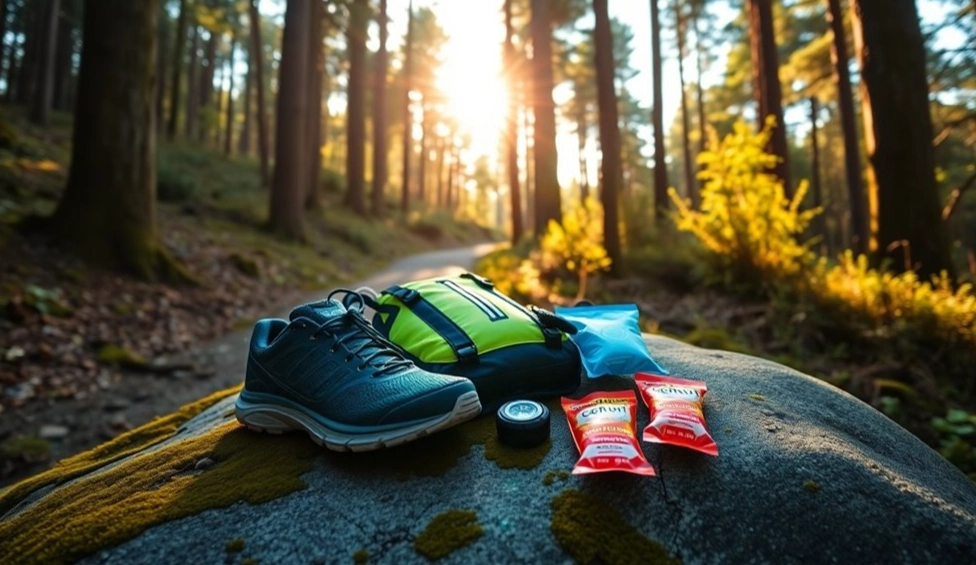
The Safety & Navigation Kit You'll Actually Use
This is where most beginner lists are too vague. "Bring a phone" isn't a plan. Here's the minimalist kit that lives permanently in my running vest:
- Navigation: Your phone with maps downloaded offline (using Gaia GPS or AllTrails). But assume it will die. A small, old-school compass and knowing how to orient your map is a real skill. I also carry a tiny printed map section for my local complex trail networks.
- Light: A small, bright headlamp or waist lamp. Even on a day run, if you twist an ankle, progress slows to a hike, and daylight fades fast. The Petzl Bindi is a favorite for its weight.
- Basic First Aid: Leukotape (pre-cut on backing) for blisters, a couple of bandages, an antihistamine, and ibuprofen. It all fits in a tiny ziplock.
- Emergency: A lightweight emergency bivvy (those metallic-looking sacks), a whistle, and a lighter. The bivvy can reflect heat if you're stuck overnight.
- Sun Protection: A small tube of mineral sunscreen and a cap. Sunburn and dehydration go hand-in-hand.
Tell someone your route and expected return time. Every time.