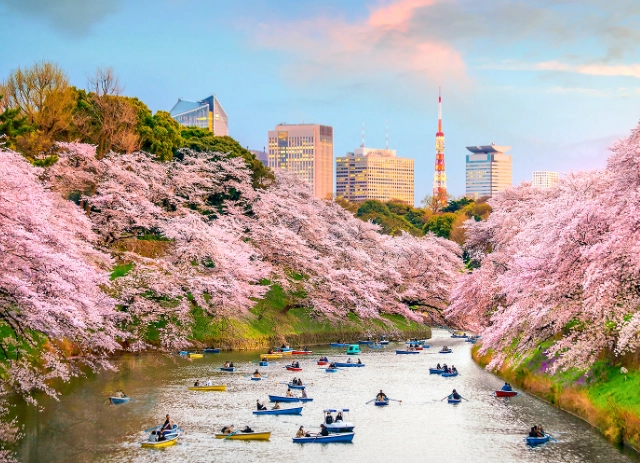
I've been shooting travel photos for over ten years, from crowded Tokyo streets to remote Patagonian peaks. Let me tell you, most advice out there is generic. You know, "use the rule of thirds" or "shoot during golden hour." Sure, those help, but they don't address the real headaches: lugging heavy gear, dealing with unpredictable light, or capturing a moment without being intrusive. This guide dives into the nitty-gritty, the stuff I learned through trial and error. We'll cover gear choices, composition tricks, light handling, and editing—all tailored for travel. By the end, you'll have actionable tips to elevate your photos, whether you're using a smartphone or a DSLR.
Your Quick Photo Guide
Gear Up Smart: What to Pack and What to Skip
Packing for travel photography is a balancing act. Bring too much, and you're exhausted; too little, and you miss shots. I've seen folks haul massive lenses across continents only to use their phone. Let's break it down.
Camera Choices: DSLR vs. Mirrorless vs. Smartphone
It depends on your style. For years, I swore by DSLRs, but mirrorless cameras changed the game. They're lighter and quieter, perfect for street photography. Sony's Alpha series, for instance, is a favorite among travel photographers for its compact size and image quality. Check out reviews on DPReview for detailed comparisons.
But don't underestimate smartphones. The latest iPhones and Google Pixels have computational photography that rivals entry-level cameras. I shot an entire trip to Lisbon with just my phone, and the photos turned out great for social media. The key is knowing its limits—low light performance can be tricky.
Lenses: The Holy Trinity for Travel
If you're using an interchangeable-lens camera, stick to three lenses max. Here's my go-to setup:
- Wide-angle (16-35mm): For landscapes and architecture. It captures the grandeur of places like the Grand Canyon.
- Standard zoom (24-70mm): The workhorse. Versatile for street scenes and portraits.
- Telephoto (70-200mm): For details and candid shots. I used it to photograph wildlife in Kenya without getting too close.
Skip the super-heavy primes unless you're on a dedicated photo trip. They'll just weigh you down.
Accessories That Actually Matter
Everyone talks about tripods, but let's be real—carrying a full-sized tripod is a pain. Instead, consider a mini tripod or a gorillapod. I use a Joby GorillaPod for quick setups on uneven surfaces. Another underrated item: a lens cleaning kit. Dust and smudges ruin shots, especially in sandy places like deserts.
Pro tip: Pack a lightweight rain cover for your camera. I learned this the hard way in Iceland when a sudden downpour almost damaged my gear. A simple plastic bag can save your equipment.
Composition Secrets for Dynamic Shots
Composition isn't just about rules; it's about telling a story. I see too many travel photos that are flat and boring because they rely solely on centering the subject. Let's spice things up.
Beyond the Rule of Thirds: Leading Lines and Framing
The rule of thirds is a good start, but it's overused. Try leading lines—use roads, rivers, or fences to guide the eye into the photo. In Santorini, I used the winding staircases to draw attention to the blue-domed churches.
Framing is another powerful tool. Use arches, windows, or tree branches to frame your subject. It adds depth and context. For example, shooting through a temple doorway in Kyoto can create a sense of mystery.
Capturing People and Culture Respectfully
This is where many beginners stumble. Snapping photos of locals without permission feels invasive. Instead, engage with them. Smile, ask if it's okay, and maybe even learn a few local phrases. I've gotten my best portraits by simply chatting with people first. In Morocco, I spent time with a market vendor before taking his photo, and the result was more authentic.
Avoid clichés. Don't just shoot the obvious landmarks; look for everyday moments. A child playing in a puddle or an elderly person sipping tea can tell a richer story.
Conquering Light and Weather Challenges
Light makes or breaks a photo, and travel often throws curveballs. Bright midday sun, rain, fog—you name it. Here's how to adapt.
Shooting in Harsh Sunlight: A Common Mistake
Most advice says to avoid midday sun, but sometimes you have no choice. The trick is to use shadows creatively. Look for shaded areas or use a reflector (a simple white card works) to bounce light onto faces. I shot a portrait in Egypt at noon by positioning the subject under a palm tree, and the soft shadow added drama.
Another tip: underexpose slightly to preserve highlights. You can recover details in post-processing. Modern cameras have good dynamic range, so trust your histogram.
Rainy Day Photography: Embrace the Mood
Rain doesn't mean you stop shooting. It adds atmosphere. Use a fast shutter speed to freeze raindrops, or slow it down for motion blur. In Seattle, I captured streaks of rain against city lights, creating a cinematic feel. Protect your gear with a rain cover, and don't forget to wipe the lens frequently.
Fog and mist are your friends. They simplify scenes and add mystery. In Scotland, I used fog to isolate castles on hills, making them look ethereal.
| Weather Condition | Camera Settings Tip | Example Shot |
|---|---|---|
| Bright Sun | Use ISO 100, f/8 aperture, fast shutter speed | Beach scenes with sharp shadows |
| Overcast | Increase ISO to 400, open aperture to f/4 | Portraits with soft, even light |
| Rainy | Shutter speed 1/250s or faster, use a lens hood | Street reflections at night |
| Low Light | ISO 1600-3200, wide aperture f/2.8, stabilize camera | Indoor market shots |
Post-Processing: Quick Fixes for Impact
Editing is where your photos come alive, but it's easy to overdo it. I've seen travel photos that look like cartoon versions of reality. Keep it subtle.
Mobile Editing Apps I Swear By
You don't need a laptop. For quick edits on the go, I use Snapseed and Lightroom Mobile. Snapseed is free and has powerful tools like selective adjust. Lightroom Mobile syncs with desktop, which is handy for organizing shots. Adobe offers tutorials on their site for beginners.
My workflow: straighten horizons, adjust exposure and contrast, then tweak colors. Avoid heavy filters; instead, enhance natural tones. For sunset shots, I boost oranges and blues slightly to make the sky pop without looking fake.
Avoiding Over-Editing: Keep It Real
A common mistake is cranking up saturation and clarity. It makes photos look harsh. Instead, focus on balance. Use the dehaze tool sparingly—it can save foggy shots but can also introduce noise. I once ruined a mountain photo by over-sharpening; now I limit sharpening to 20-30%.
Cropping is your friend. Sometimes, a tighter crop eliminates distractions and improves composition. But always shoot with extra space around your subject to allow for this.