You've decided to visit Kyoto. Your mind fills with images of vermilion gates, serene Zen gardens, and golden pavilions. Then you look at a map. Over 1,600 temples. Where do you even start? Most Kyoto temple tours advice is generic. "Visit Kinkaku-ji, see Kiyomizu-dera." It's like telling someone to "see art" in Paris without mentioning the Louvre. I've spent over a decade guiding travelers here, and the biggest mistake isn't picking the wrong temple—it's having no strategy at all. This guide isn't just a list. It's a system. We'll build your itinerary based on location and mood, give you the hard numbers on tickets and transport you need to budget, and share the little tricks that turn a crowded visit into a peaceful moment.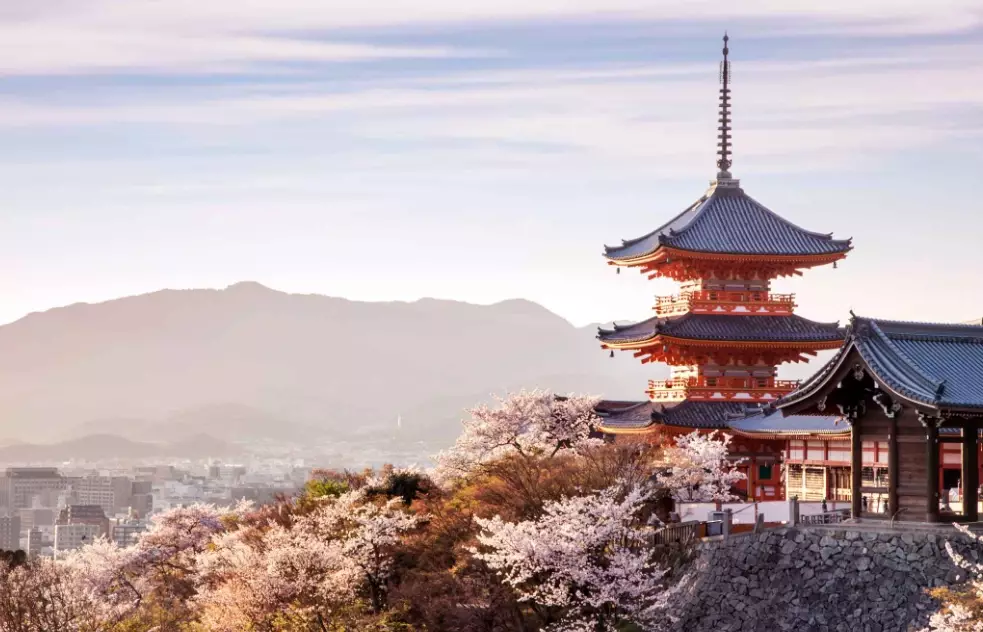
Your Kyoto Temple Tour Jumpstart
How to Plan Your Kyoto Temple Tour Itinerary
Forget trying to see everything. Kyoto's temples are clustered. A smart Kyoto temple tour groups visits by area to minimize travel time. Here’s how I break it down for first-timers and repeat visitors.
The Classic One-Day Blitz (For the Time-Pressed)
This is intense but hits the icons. Start as early as humanly possible, ideally before 8 AM.
- Morning (East Kyoto): Take a taxi or bus to Kiyomizu-dera for opening. You'll get 30 minutes of relative peace. Walk down Sannenzaka and Ninenzaka streets before the shops fully open—it's magical.
- Late Morning: A short walk leads to Kodai-ji Temple. Its bamboo groves and Zen gardens are a compact masterpiece, often less crowded.
- Afternoon (Northwest Kyoto): Take the bus (about 40 mins) to Kinkaku-ji (Golden Pavilion). Yes, it will be packed. See it, take your photo, absorb its brilliance, and move on.
- Late Afternoon: A 15-minute bus ride to Ryoan-ji. The famous rock garden is the perfect antidote to the morning's sensory overload. Sit and contemplate.
You'll be exhausted. That's okay. You've seen the heavy hitters.
The Balanced Two-Day Immersion (Recommended)
This pace lets you breathe and explore deeper.
Day 1: East Kyoto (Higashiyama) & Fushimi. Follow the one-day morning plan for Kiyomizu-dera and Kodai-ji. After lunch, take the Keihan train line south to Fushimi Inari Taisha. Most tour groups leave by 4 PM. Arrive around 3:30 PM, and you can hike the lower trails with thinning crowds as the late afternoon light filters through the gates.
Day 2: Arashiyama & Northwest Kyoto. Start at Tenryu-ji Temple in Arashiyama. Its garden is a UNESCO site. Exit directly into the famous bamboo grove. Later, take the bus across town to the Golden Pavilion (Kinkaku-ji) and Ryoan-ji combo. This splits the travel across two days more manageably.
The Thematic Tour (For Your Second Visit or Deep Divers)
Skip the icons and pick a theme.
- Zen & Rock Gardens: Ryoan-ji, Daitoku-ji complex (several sub-temples like Daisen-in), and the sublime moss garden at Saiho-ji (Kokedera) – though the latter requires advance reservation and a fee.
- Night Illuminations & Evening Views: Kiyomizu-dera, Kodai-ji, and Eikan-do offer special night openings (light-ups) in spring and autumn. They're crowded but uniquely atmospheric.
- Mountain Temple Hike: Combine Kurama-dera and Kifune-jinja Shrine north of the city for a half-day hike through forested hills.
Kyoto's Must-See Temples: A Detailed Guide
Here’s the crucial data for your top-tier Kyoto temple tours stops. Times and fees are current as of my last visit, but always double-check official sites.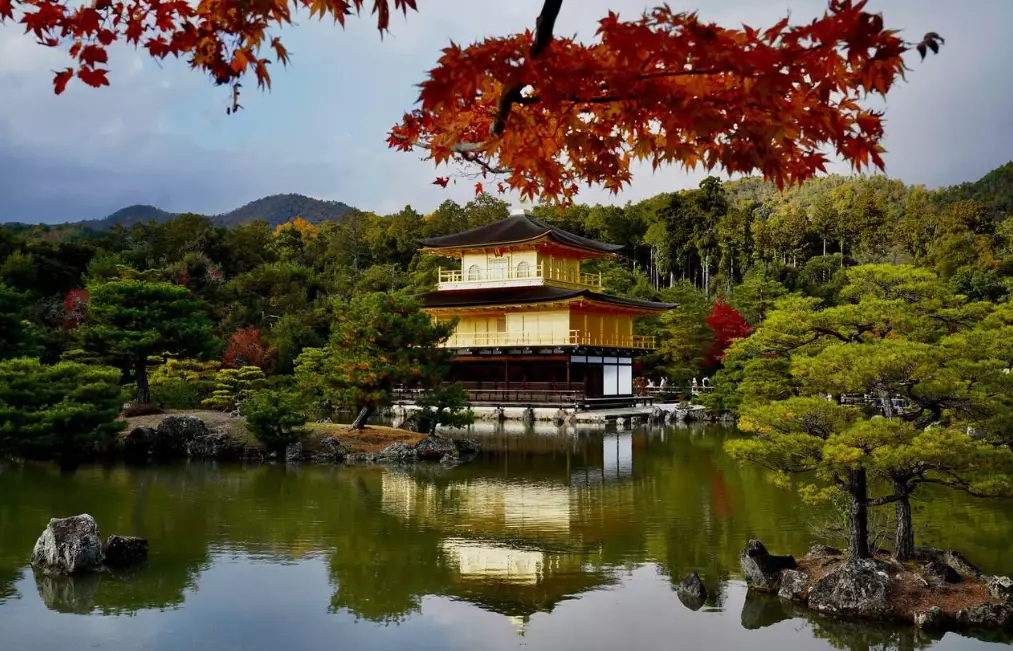
| Temple Name | Area | Opening Hours | Admission Fee | Key Feature & Insider Tip |
|---|---|---|---|---|
| Kiyomizu-dera | Higashiyama (East) | 6:00 AM - 6:00 PM (varies seasonally) | 400 JPY | The iconic wooden stage. Go at opening or near closing. The crowds between 10 AM - 4 PM are monumental. The Jishu Shrine within is for love fortunes. |
| Kinkaku-ji (Golden Pavilion) | Kita (Northwest) | 9:00 AM - 5:00 PM | 500 JPY | The gold-leaf-covered pavilion. It's a one-path-in, one-path-out experience. It's stunning, but you're herded. Accept it as a quick, dazzling sight. Don't plan to linger. |
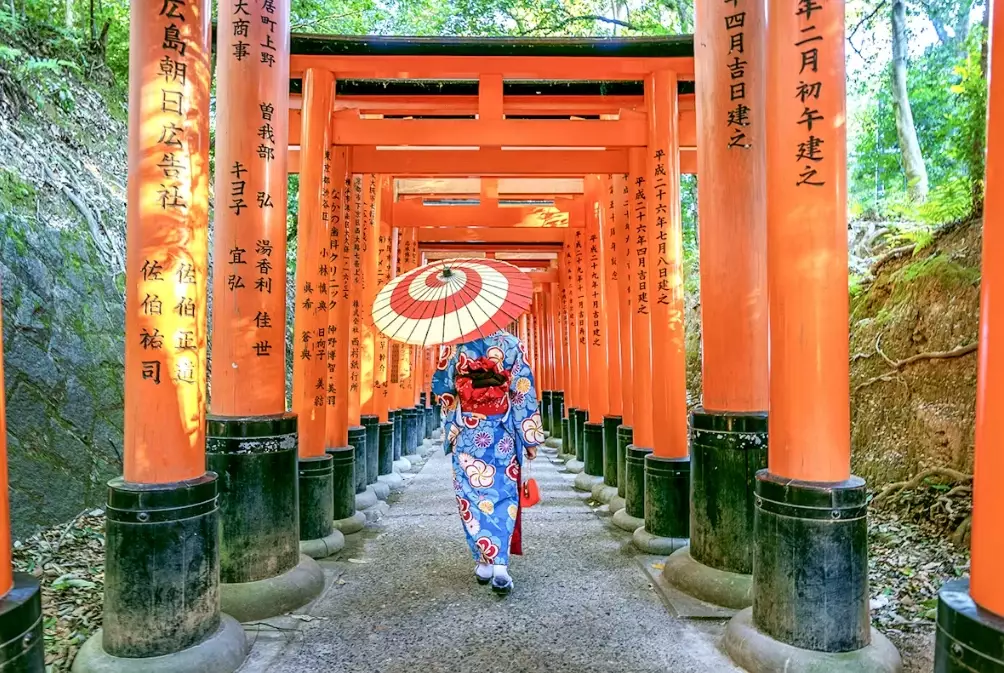
| Fushimi Inari Taisha | Fushimi (South) | Always open (main gates) | Free | Thousands of vermilion torii gates. Most people only go 30 mins up. Hike to the Yotsutsuji intersection (about 45 mins) for great city views and far fewer people. |
| Ryoan-ji | Kita (Northwest) | 8:30 AM - 5:00 PM (Mar-Nov), 8:30 AM - 4:30 PM (Dec-Feb) | 600 JPY | Japan's most famous karesansui (rock) garden. Sit on the veranda. Try to count the 15 rocks—one is always hidden. The spacious grounds are also lovely. |
| Tenryu-ji | Arashiyama (West) | 8:30 AM - 5:30 PM (closes earlier in winter) | 500 JPY (Garden), +300 JPY for building | UNESCO World Heritage garden with a borrowed scenery of Arashiyama mountains. The back exit leads straight into the Arashiyama Bamboo Grove. |
Transport Note: The Kyoto City Bus One-Day Pass (700 JPY) is worth it if you take 3+ buses in a day. For mixing trains (to Fushimi Inari, Arashiyama), consider a prepaid IC card (Suica, Pasmo) or the Kyoto City Bus & Subway Pass if your itinerary is spread out. Google Maps is incredibly reliable for real-time bus/train schedules in Kyoto.
Beyond the Classics: Kyoto's Hidden Gem Temples
If you have an extra half-day, ditch the guidebooks and experience these. This is where your Kyoto temple tour becomes personal.
Ginkaku-ji (The Silver Pavilion), Higashiyama. Everyone goes to the golden one, but its silver cousin is my personal favorite. It was never actually covered in silver, but the understated beauty is the point. The meticulously railed sand garden (Ginshadan) and the moss garden you walk through are a masterclass in Japanese aesthetic. It feels more contemplative than Kinkaku-ji. The walk up the Philosopher's Path from here is a lovely bonus.
Daitoku-ji Temple Complex, Kita. This isn't one temple; it's a walled compound containing about two dozen sub-temples. It's a quiet, working Zen monastery complex. A few sub-temples open to the public on a rotating schedule. Daisen-in is famous for its intense rock garden depicting a waterfall and ocean. It's austere, serious, and you'll often have it nearly to yourself. A complete contrast to the spectacle of the big names.
Sanjusangendo, Higashiyama. Not a temple for gardens, but for sheer awe. The 120-meter-long hall houses 1,001 life-sized, gold-leafed statues of Kannon, the goddess of mercy. Standing in front of this army of serene, identical faces is an unforgettable, almost overwhelming visual experience. It's centrally located but often overlooked for the more famous neighbors.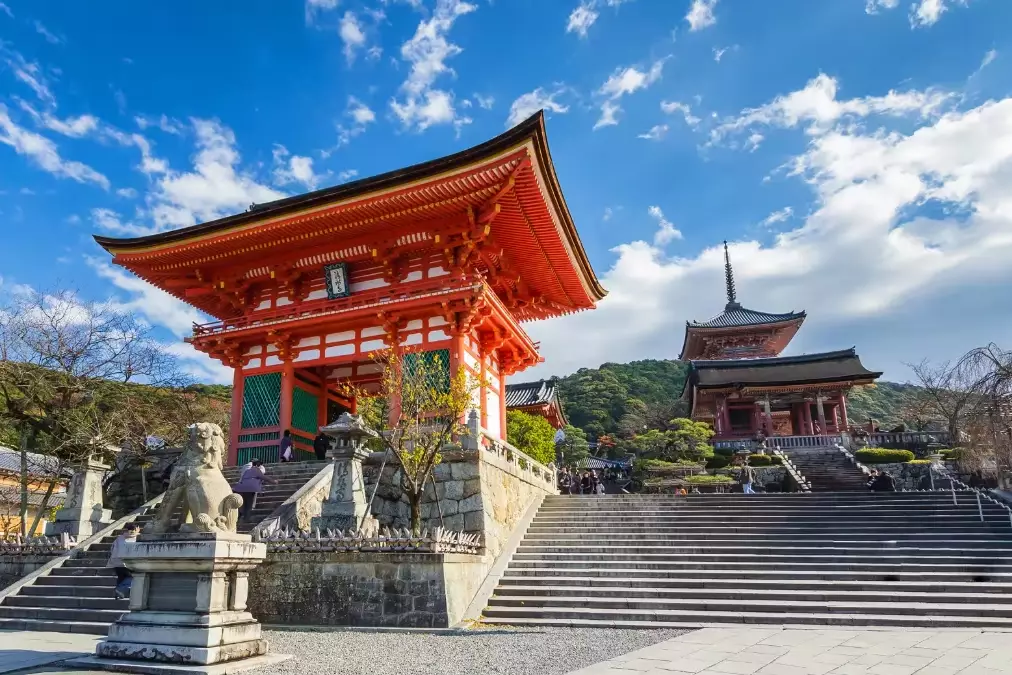
Essential Practical Tips for Your Temple Visits
A few non-negotiable pieces of advice from hard-won experience.
Footwear is everything. You'll be removing your shoes constantly to enter temple halls (hondo). Wear slip-on shoes or sandals. Not lace-up boots. Your socks will matter—make sure they're presentable and without holes!
The early bird doesn't just get the worm, they get the photo. I can't stress this enough. Arriving at a temple's opening time (or within the first hour) is the single biggest upgrade to your experience. The light is better, the air is cooler, and the crowds are 70% smaller.
Temple etiquette is simple but important. Speak quietly. Don't eat or drink while walking the grounds (find a bench). Before entering a hall, there's often a purification fountain: use the ladle to wash your left hand, then right, then pour a little water into your cupped left hand to rinse your mouth (spit beside the fountain, not into it). It's a symbolic act.
Cash is king. Almost all temple admissions and small offering boxes (for prayers or fortunes) are cash-only. Carry plenty of 100 and 500 yen coins.