Let's be honest. The promise of "quick dinner recipes" often feels like a lie. You find a recipe claiming 20 minutes, but it doesn't count the 15 minutes of vegetable chopping you didn't know about, or the fact that your stove heats slower than a sleepy turtle. I've been there, staring into the fridge at 7 PM, defeated, reaching for the takeout menu. After a decade of cooking for a family while managing a hectic schedule, I've learned that true quick cooking isn't just about speed—it's about a system. It's about knowing which corners you can cut (and which you absolutely shouldn't) and having a mental library of recipes that actually work on a Tuesday night.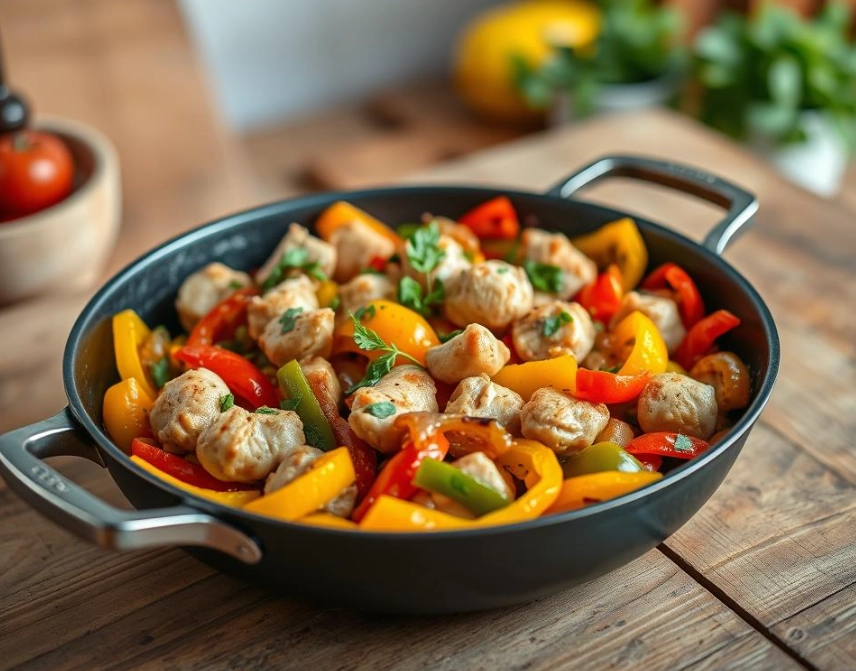
Tonight's Dinner, Sorted: Your Quick Guide
Why Most "Quick" Dinner Recipes Fail You
You click on a recipe titled "15-Minute Garlic Shrimp Pasta." Sounds perfect. Then you read the small print: "Prep time: 10 min, Cook time: 15 min." That's 25 minutes already. And "prep" assumes your shrimp are peeled, your parsley is chopped, your garlic is minced, and your water is already boiling. That's not reality; that's a culinary fantasy.
The biggest gap between recipe blogs and real life is the "prep" lie. True total time includes gathering ingredients, washing veggies, peeling, chopping, measuring, and then cleaning as you go. A recipe that claims 20 minutes but requires you to julienne a bell pepper and mince three cloves of garlic is easily a 35-minute affair.
Another issue? Ingredient accessibility. Recipes calling for "quick-cooking farro" or "pre-cooked lentils" aren't helpful if your pantry holds only rice and pasta. Real quick dinners start with what most people actually have.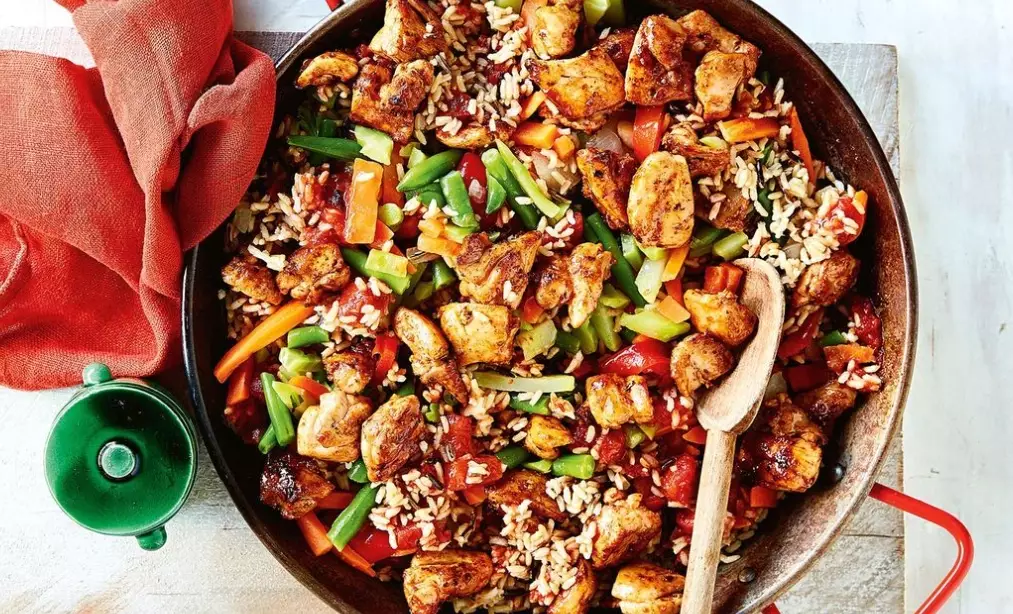
The 3 Principles of Actually Fast Cooking
Forget memorizing a hundred recipes. Internalize these three principles, and you can improvise a quick meal with almost anything.
1. The One-Pan/Pot Rule
Fewer dishes directly equals less time and stress. This isn't just about ease; it's about flavor. Cooking protein and vegetables together in one vessel lets the juices mingle. Think sheet-pan dinners, stir-fries, skillet meals, and one-pot pastas. The cleanup time saved is often 10-15 minutes alone.
2. The Protein Shortcut Hierarchy
Not all proteins cook at the same speed. Choose based on your true time crunch.
| Protein | Approx. Cook Time | Best For | Pro Tip |
|---|---|---|---|
| Pre-cooked (rotisserie chicken, canned beans/tuna, leftover meat) | 0-2 min (warm-up) | Absolute emergencies, salads, wraps, fried rice. | Shred a rotisserie chicken and freeze portions in 2-cup bags. |
| Thin-cut/Fast-cook (shrimp, fish fillets, ground meat, thin-cut chops) | 5-10 min | Stir-fries, tacos, quick sautés. | Ask your butcher to slice chicken breasts or pork chops thinly. |
| Standard (chicken breast, steak, thicker chops) | 15-20 min | When you have a solid 30 min and want a more substantial feel. | Pound chicken breasts to even thickness for faster, even cooking. |
3. The Vegetable Readiness Spectrum
Stop treating all veggies the same. Leafy spinach wilts in 60 seconds. Broccoli florets need 5-7 minutes of steaming or stir-frying. A whole potato? Forget it for a quick meal (but pre-boiled or diced small can work). Keep a mental list: Fast (under 5 min): spinach, cherry tomatoes, zucchini slices, peas, bell pepper strips. Medium (5-10 min): broccoli, cauliflower, green beans, asparagus. Slow (plan ahead): whole potatoes, carrots, beets.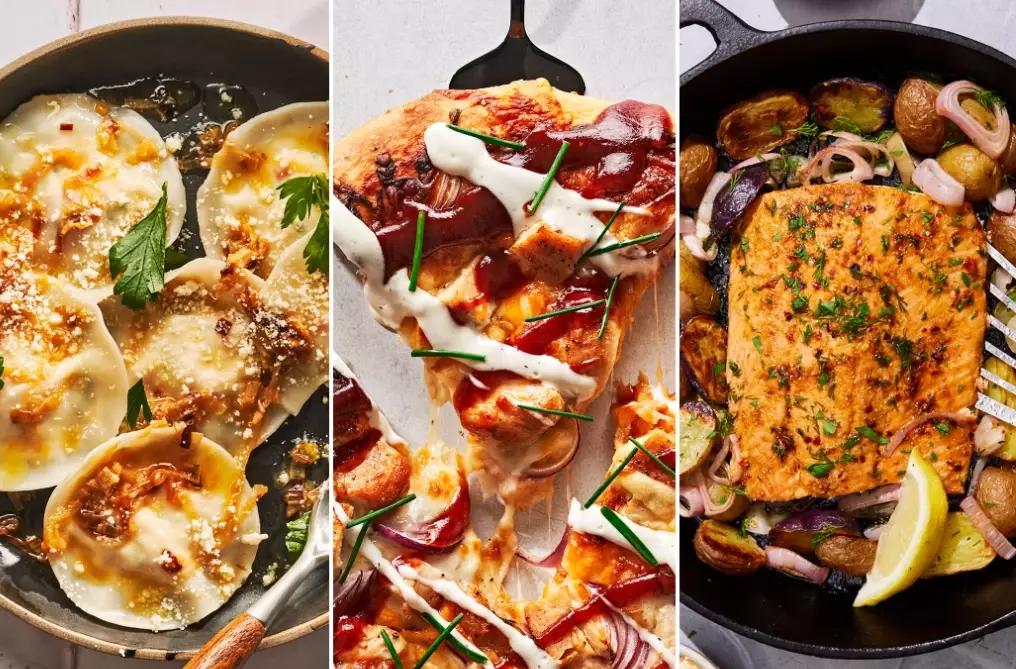
Real 30-Minute (or Less) Dinner Recipes
Here are three frameworks, not just rigid recipes. They have built-in flexibility. The clock starts from the moment you decide to cook, assuming standard kitchen tools and average speed.
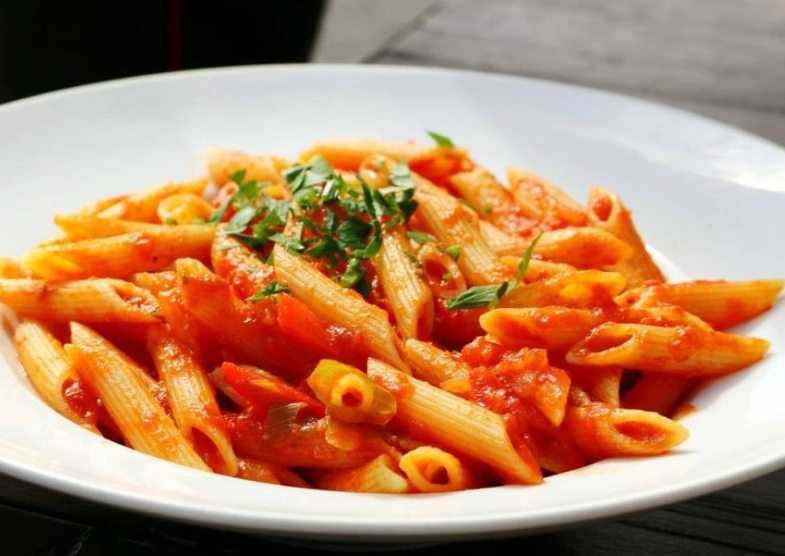
1. The "Everything-in-the-Skillet" Italian Pasta
Total Time: 25 minThe Concept: Cook pasta directly in a sauce with just enough water, so the starches thicken the sauce beautifully. One pot, insane flavor.
Base Formula: In a large deep skillet or pot, combine 12 oz short pasta (penne, fusilli), 3 cups liquid (2 cups broth + 1 cup water or passata), a can of diced tomatoes, your protein (1 lb Italian sausage removed from casing, or 1 can drained chickpeas), and hardy veggies (sliced mushrooms, bell peppers). Bring to a boil, then simmer for 10-12 minutes, stirring often. In the last 2 minutes, stir in fast-cook veggies (spinach, frozen peas). Finish with a handful of grated cheese. The liquid should be absorbed into a creamy sauce. If it's too wet, simmer a minute more; too thick, splash in water.
Why it works: Zero colander, one pot, and the pasta absorbs all the flavor. It's forgiving.
2. The 15-Minute "Clear-the-Fridge" Stir-Fry
Total Time: 18 minThe Concept: High heat, small pieces, fast movement. The key is mise en place—having everything chopped and in bowls before you turn on the wok.
The Process: 1. Prep (5 min): Cut 1 lb protein (chicken thigh strips, shrimp, tofu) into bite-size pieces. Chop 3-4 cups of mixed vegetables (onion, bell pepper, broccoli florets, snap peas) into uniform sizes. Make sauce: 3 tbsp soy sauce, 1 tbsp honey or brown sugar, 1 tbsp rice vinegar, 1 tsp grated ginger, 1 minced garlic clove, 2 tbsp water. 2. Cook (8 min): Heat 1 tbsp oil in wok/large skillet over highest heat. Cook protein until done, remove. Add another tbsp oil, stir-fry harder veggies (broccoli, carrots) for 2 min, add softer ones (peppers, onions) for 2 more min. Return protein, pour sauce over. Toss until glazed and hot. 3. Serve (2 min): Over instant rice or noodles (cooked while you prep).
The non-consensus tip: Don't crowd the pan. Cook in batches if needed. Steaming instead of searing is the death of a good stir-fry.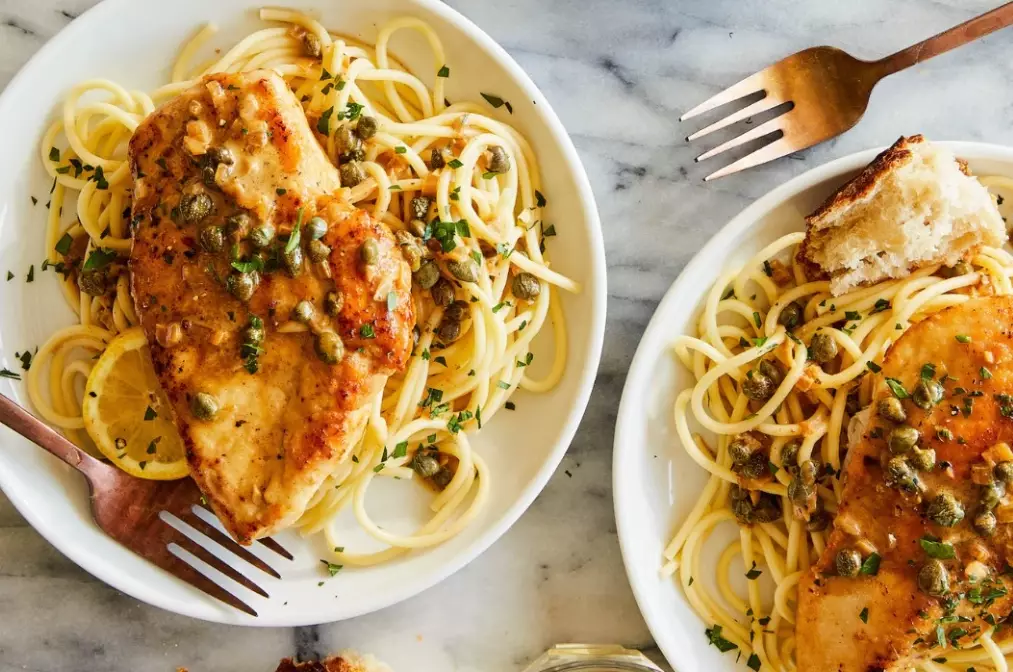
3. The No-Cook Assembly Meal: Ultimate Burrito Bowls
Active Time: 12 minThe Concept: Leverage pre-cooked and pantry items. Heat is optional.
The Assembly Line: Start a pot of rice or quinoa cooking (or use pre-cooked). While it cooks, open and drain cans: 1 can black beans, 1 can corn. Dice 1 avocado, chop some cilantro and lettuce. Grate some cheese. Optionally, quickly sear some pre-cooked chicken strips or beef in a pan for 2 minutes. Arrange everything in bowls. Top with salsa, a squeeze of lime, and a dollop of sour cream or Greek yogurt.
This isn't cooking in the traditional sense; it's strategic assembly. It satisfies the need for a fresh, balanced, and customizable meal with near-zero active cooking time.
The Quick-Cook Mistakes Everyone Makes
I've made these, you've probably made these. Avoiding them saves minutes and morale.
Starting with a cold pan. For sautés and stir-fries, let your pan get properly hot before adding oil, then food. A sizzle should happen immediately. This ensures browning (flavor!) and prevents sticking.
Not salting pasta water enough. It should taste like the sea. This is your only chance to season the pasta itself. Undersalted pasta is bland forever.
Overcooking vegetables. Mushy broccoli is a tragedy of time and nutrition. They continue to cook off the heat. Take them out when they're just tender-crisp.
Ignoring the freezer. Frozen vegetables (peas, corn, spinach, stir-fry mixes) are pre-prepped, nutritionally solid, and cook faster than fresh. Frozen shrimp and fish fillets are also weeknight saviors.
Your Quick Dinner Questions, Answered
 My family is picky. How do I make one quick meal everyone will eat?