You know the feeling. You spend 8 hours in bed, but you wake up feeling like you ran a marathon in your sleep. Your brain is foggy, your body aches, and the alarm clock is your worst enemy. The problem isn't always the quantity of sleep—it's the quality. I spent years chasing the perfect night's rest, trying every tip under the sun. What I learned, often the hard way, is that improving sleep isn't about one magic trick. It's about a system. A series of small, intentional choices that tell your brain and body it's safe to shut down and repair. This guide cuts through the noise to show you how to build that system.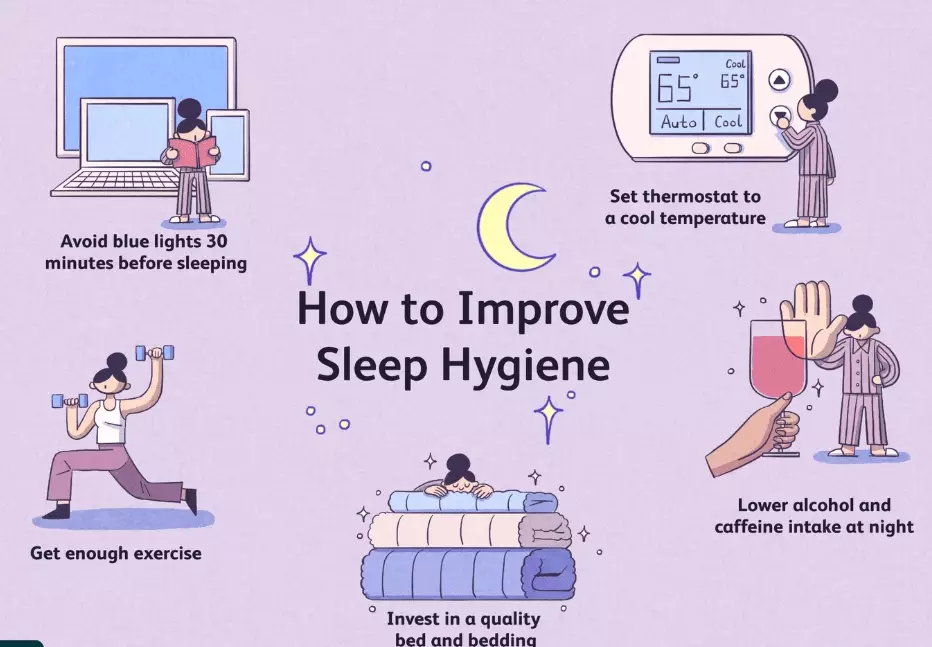
What You'll Discover in This Guide
The Sleep-Wake Cycle: Your Body's Master Clock
Before we rearrange your bedroom or change your diet, we need to talk about your circadian rhythm. Think of it as your body's internal 24-hour CEO. It dictates when you feel alert and when you feel sleepy by managing hormones like cortisol and melatonin. Most advice tells you to "have a consistent schedule." That's true, but it's incomplete. The real key is light exposure.
Your eyes have special cells that detect light, specifically blue light, and report directly to your brain's master clock. Get bright light in the morning, and you tell your CEO it's time to start the day. Get it in the evening, especially from screens, and you're sending a confusing memo that says "party time." I used to think my morning coffee was my wake-up call. It's not. The first 30 minutes of daylight are.
Here's the non-consensus part: consistency on weekends matters more than you think. Sleeping in for two hours on Saturday is like giving yourself a mini case of jet lag every week—"social jet lag." It throws your entire system off. A consistent wake-up time, even on weekends, is the single most powerful signal you can give your circadian rhythm.
Building Your Sleep Sanctuary: The Bedroom Environment
How to Design a Sleep-Inducing Bedroom? Your bedroom should have one primary function: sleep. Not work, not entertainment, not stress. The goal is to make it a cave—cool, dark, and quiet.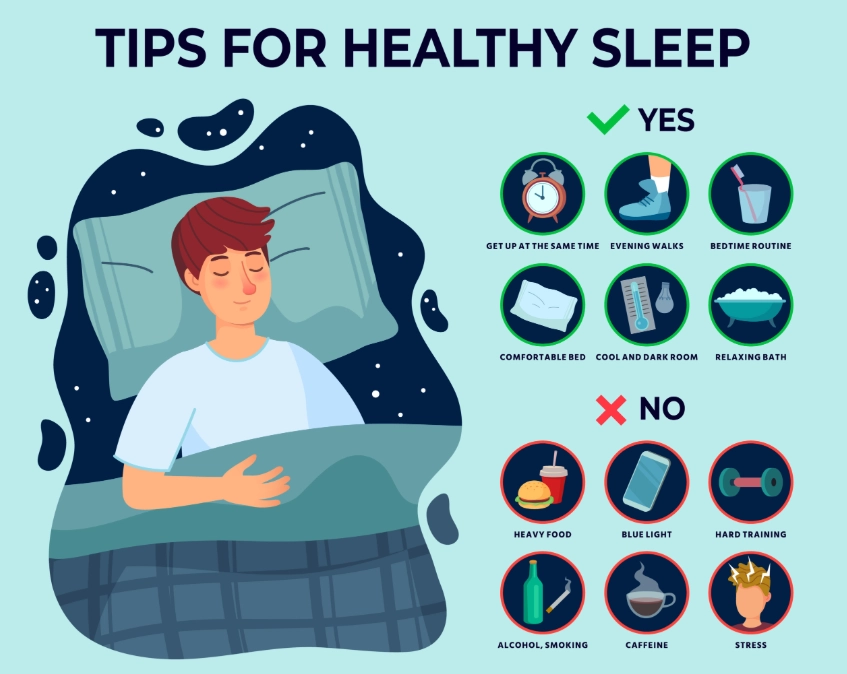
The Temperature Sweet Spot
This isn't just about comfort. Your core body temperature needs to drop to initiate sleep. A room that's too warm prevents that drop. The National Sleep Foundation recommends around 65°F (18.3°C). I've found 68°F (20°C) works for most people. Experiment. If you're waking up in a sweat or shivering, adjust.
Banishing Light and Noise
Even small amounts of light from a charging LED or a streetlamp can interfere with melatonin production. Blackout curtains are a game-changer. For noise, don't just suffer. A white noise machine or a fan can mask disruptive sounds. I prefer a simple box fan—it covers noise and cools the room.
Let's talk about your mattress and pillow. You don't need a $5,000 bed, but you do need support. A saggy mattress is a one-way ticket to back pain and restless sleep. A good rule: if your mattress is over 7-8 years old, it's probably time to consider a replacement.
Quick Bedroom Audit: Right now, look around your room. Is your work laptop on the dresser? Is your phone charging next to your head? Is the room cluttered? Each of these things subconsciously signals "wakefulness." Start by removing electronics and creating a tidy, dedicated sleep space.
How to Build a Wind-Down Routine That Actually Works?
You can't sprint into sleep. You need to coast. A wind-down routine is the 60-90 minute buffer zone between your day and your bed. It's not passive scrolling. It's a deliberate sequence of calming activities.
Most people get this wrong. They think "relaxing" means watching a thrilling TV show or reading work emails in bed. That's cognitive arousal, not relaxation. Your routine should lower your heart rate and nervous system activity.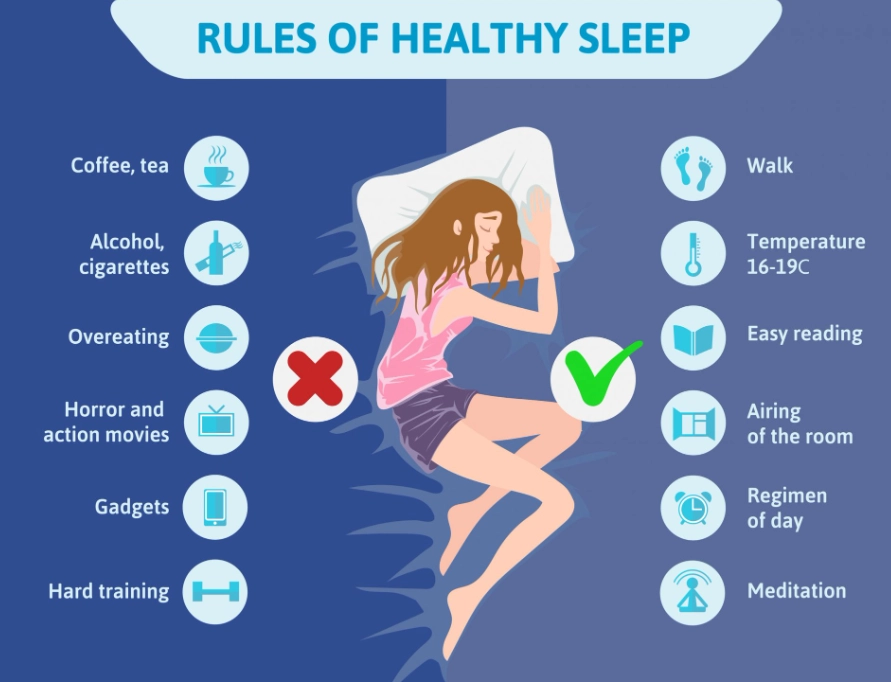
- Dim the Lights: An hour before bed, switch to lamps and avoid overhead lights. Consider using blue-light blocking glasses if you must use a screen.
- The Digital Curfew: This is non-negotiable. Put your phone, tablet, and laptop in another room to charge. The temptation to "just check one thing" is a sleep killer.
- Calm the Mind: Try gentle stretching, reading a physical book (not a thriller!), or a mindfulness practice. A 5-minute gratitude journal can shift your mental state from worry to peace.
- The Warm Bath Trick: A warm bath or shower 1-2 hours before bed works wonders. It raises your body temperature slightly, and the subsequent cool-down mimics the natural temperature drop needed for sleep.
I used to think a nightcap was part of my wind-down. It's not. Alcohol might make you pass out, but it absolutely wrecks the architecture of your sleep later in the night, suppressing crucial REM sleep. It's a loan on rest that you pay back with interest at 3 AM.
Daytime Habits That Make or Break Your Night
Sleep isn't just a night-time event. What you do all day sets the stage.
Exercise: Timing is Everything
Regular exercise is fantastic for sleep quality—it reduces stress and deepens slow-wave sleep. But timing matters. Intense exercise too close to bedtime can be over-stimulating for some people. Finish vigorous workouts at least 2-3 hours before bed. Gentle yoga or walking in the evening, however, can be perfect.
Caffeine and Food: The Hidden Saboteurs
Caffeine has a half-life of about 5-6 hours. That afternoon coffee at 3 PM means half of it is still in your system at 8 or 9 PM. I set a hard cutoff at 2 PM. Also, watch out for hidden caffeine in chocolate, some teas, and medications.
Eating a large, heavy meal right before bed forces your digestive system to work overtime when it should be resting. It can cause discomfort and acid reflux. Aim to finish your last big meal 2-3 hours before bedtime. A small, sleep-friendly snack (like a banana or a handful of almonds) is fine if you're truly hungry.
| Daytime Habit | Pro-Sleep Move | Why It Works |
|---|---|---|
| Morning Light | Get 15-30 min of outdoor light within an hour of waking. | Resets circadian rhythm, boosts daytime alertness. |
| Hydration | Drink most fluids earlier in the day, taper off 1-2 hours before bed. | Reduces disruptive middle-of-the-night bathroom trips. |
| Stress Management | Schedule "worry time" in the afternoon, not in bed. | Contains anxiety, prevents rumination at night. |
| Nap Strategy | If napping, keep it to 20 mins, before 3 PM. | Provides energy boost without interfering with nighttime sleep drive. |
Troubleshooting Common Sleep Disruptors
You've optimized everything, but you're still staring at the ceiling. What now?
The 20-Minute Rule: If you can't fall asleep or wake up and can't get back to sleep within about 20 minutes, get out of bed. Go to another room and do something boring in dim light—read a dull book, listen to calm music. The goal is to break the association between bed and frustration. Return to bed only when you feel sleepy.
Managing Nighttime Anxiety: Your brain loves to problem-solve at 2 AM. Keep a notepad by your bed. If a worry pops up, write it down with a simple promise to address it tomorrow. This gets it out of your mental loop.
Be skeptical of over-the-counter sleep aids. Many contain antihistamines that can make you feel groggy the next day and lose effectiveness over time. They don't teach you how to sleep; they just mask the problem. For chronic issues, consulting a doctor or a sleep specialist is the best path forward to rule out conditions like sleep apnea or restless legs syndrome.
Your Sleep Questions, Answered
 Improving sleep quality is a practice, not a destination. You won't nail every habit every night. Some nights will be better than others. The goal is progress, not perfection. Start with one change—maybe enforcing a digital curfew or fixing your wake-up time. Build from there. Your body wants to sleep well. You just need to create the right conditions for it to do its job.