Let's be honest. When you search for "easy Italian pasta recipes," you're not looking for a culinary project. You're tired. You're hungry. Maybe you've got kids asking what's for dinner in ten minutes. You want something that tastes like it came from a trattoria in Rome, but feels as simple as boiling water. I get it. I've cooked pasta in cramped apartments, in kitchens with one pot, and for crowds that needed food now.
After years of cooking, eating, and even messing up plenty of pasta dishes, I've learned one thing: authentic Italian cooking at home is about subtraction, not addition. It's about a few good ingredients treated with respect. Forget the cream-laden, over-sauced imitations. The real magic happens with just olive oil, garlic, tomatoes, and cheese.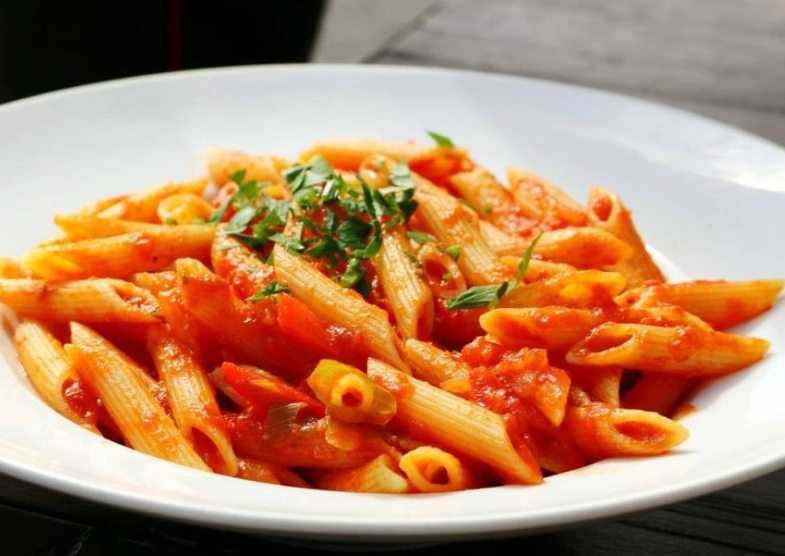
Below, I'm sharing three classic recipes that are my weeknight heroes. They have fewer than 10 ingredients each (most you already own), take under 30 minutes, and follow one golden rule: the pasta water is your secret weapon. We'll get to that.
What You'll Learn Inside
Spaghetti Aglio e Olio (Garlic & Oil)
This is the ultimate pantry pasta. It's the dish every Italian nonna makes when there's "nothing to eat." Its simplicity is its strength, but that also means there's no place to hide. Get it right, and it's sublime. Get it wrong, and it's just oily pasta with burnt garlic.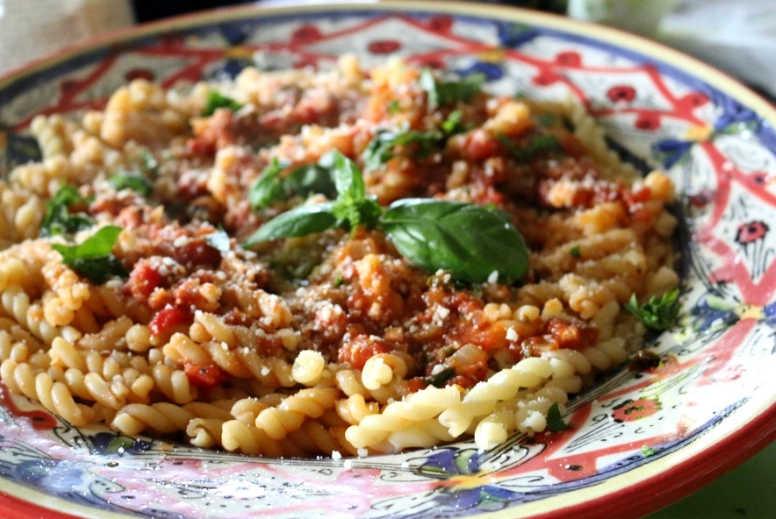
Recipe #1: Spaghetti Aglio e Olio
Time: 20 mins | Serves: 2 | Difficulty: Easy
What you need:
- 200g (about 7 oz) spaghetti
- 5-6 plump garlic cloves, thinly sliced (not minced!)
- 1/2 cup extra virgin olive oil
- 1/2 teaspoon red pepper flakes (or to taste)
- A large handful of fresh parsley, finely chopped
- Salt for pasta water
How to make it:
- Bring a large pot of water to a rolling boil. Add a small handful of salt—it should taste like the sea. This is your only chance to season the pasta itself.
- Cook the spaghetti according to package directions for al dente.
- While the pasta cooks, gently warm the olive oil in a large skillet over low heat. Add the sliced garlic and red pepper flakes. The goal is to slowly infuse the oil, letting the garlic turn a very pale gold. This should take 5-7 minutes. If the garlic sizzles violently or browns quickly, your heat is too high. Burnt garlic is bitter.
- When the pasta is done, reserve about 1 cup of the starchy pasta water. Drain the pasta.
- Add the drained pasta directly to the skillet with the oil. Toss vigorously. Now, add a splash of that reserved pasta water—start with 1/4 cup. The starch in the water will emulsify with the oil, creating a creamy, clingy sauce that coats every strand. Keep tossing and adding a little more water if it looks dry.
- Turn off the heat. Stir in the chopped parsley. Serve immediately. (Traditionalists don't add cheese, but a sprinkle of Pecorino Romano won't hurt).
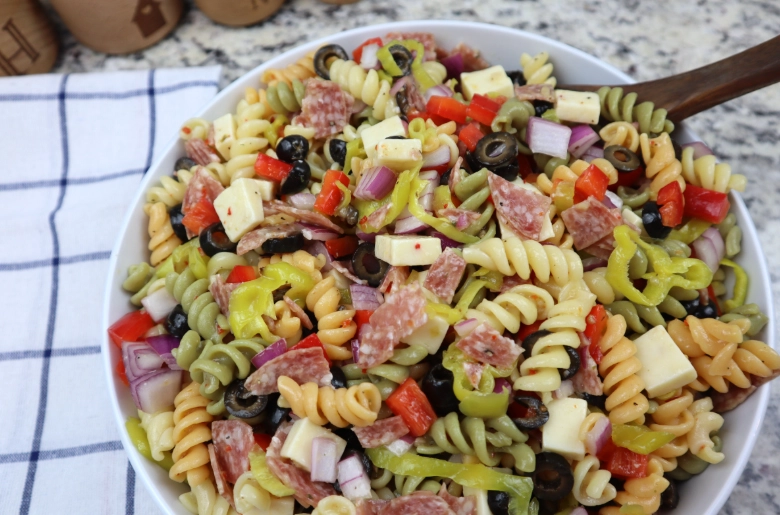
My Non-Consensus Tip: Use sliced garlic, not minced. Minced garlic has more surface area and will burn in a flash against the hot oil. Thin slices gently perfume the oil and give you little sweet, crispy bites in the finished dish.
Penne all'Arrabbiata (Angry Penne)
"Arrabbiata" means angry, referring to the heat from the chili. This Roman classic is a tomato sauce with attitude. It's vibrant, fast, and incredibly satisfying. The key is letting the tomato sauce reduce and concentrate in its own time.
Recipe #2: Penne all'Arrabbiata
Time: 25 mins | Serves: 2 | Difficulty: Easy
What you need:
- 200g (about 7 oz) penne or rigatoni
- 400g (14 oz) can of whole peeled plum tomatoes (San Marzano if you can find them)
- 2 cloves garlic, lightly smashed
- 1-2 small dried red chilies (or 1 tsp chili flakes)
- 3 tablespoons olive oil
- Small bunch of fresh basil (optional)
- Salt for pasta water and sauce
- Pecorino Romano cheese for serving
How to make it:
- Start your salted pasta water boiling. Cook the penne al dente.
- In a saucepan, heat the olive oil over medium-low. Add the smashed garlic and whole chilies. Cook until the garlic is fragrant and golden, then remove both from the oil. You've flavored the oil; now you avoid burning them.
- Crush the canned tomatoes by hand directly into the pan (it's messy but fun) or give them a quick pulse in a blender. Add them to the flavored oil. Season with a pinch of salt.
- Let the sauce simmer, uncovered, for 15-20 minutes. It should thicken and darken slightly. If you have basil, tear a few leaves and stir them in at the end.
- Reserve a cup of pasta water, drain the pasta, and add it to the sauce. Toss together, adding splashes of pasta water until the sauce coats the pasta beautifully. Serve with grated Pecorino Romano.
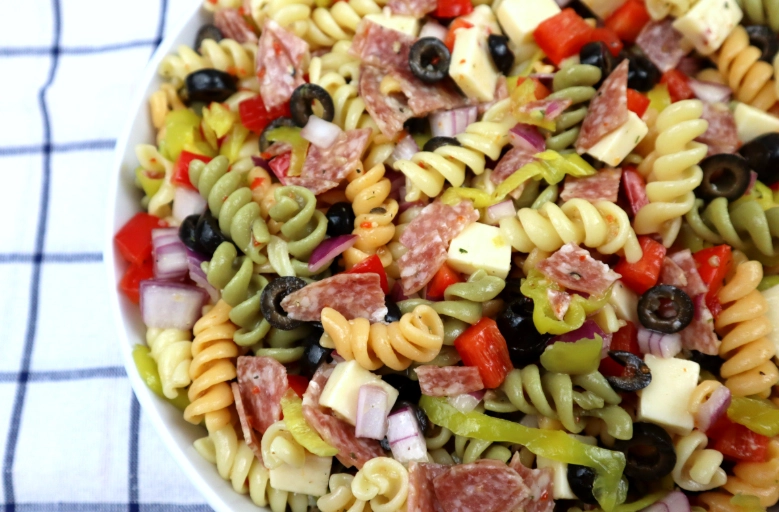
Cacio e Pepe (Cheese & Pepper)
This Roman dish has a reputation for being tricky. The cheese can clump into a sticky mess. I've been there. The problem is usually heat. This recipe uses a "slurry" method that I find foolproof for home cooks. It bypasses the traditional, more temperamental technique.
Recipe #3: Foolproof Cacio e Pepe
Time: 20 mins | Serves: 2 | Difficulty: Medium (but worth it)
What you need:
- 200g (about 7 oz) tonnarelli or spaghetti
- 100g (3.5 oz) finely grated Pecorino Romano cheese
- 1 tablespoon freshly, coarsely ground black pepper
- Salt for pasta water
How to make it:
- Cook the pasta in well-salted water until al dente.
- While it cooks, toast the black pepper in a dry skillet over medium heat for about a minute until fragrant. Set aside.
- In a large, heatproof bowl, combine the grated Pecorino Romano and the toasted pepper.
- When the pasta is done, reserve about 1.5 cups of the starchy pasta water. Drain the pasta.
- Take about 1/2 cup of the hot pasta water and slowly whisk it into the cheese and pepper mixture in the bowl. Whisk until it forms a smooth, creamy paste with no lumps. This is your sauce base.
- Add the hot, drained pasta to the bowl. Toss immediately and vigorously with tongs. The residual heat from the pasta will melt the sauce onto it. Add more pasta water, a tablespoon at a time, until you get a creamy, glossy sauce that coats the pasta. The bowl helps keep the heat gentle and prevents the cheese from seizing.
- Serve immediately—it waits for no one.
Cheese Warning: You must use real Pecorino Romano, pre-grated from a tub won't melt properly. Grate it yourself finely. Parmesan can work in a pinch, but Pecorino's sharper, saltier flavor is what defines this dish.
The One Pasta Mistake Everyone Makes (And How to Fix It)
It's not about the brand of pasta. It's about the water.
I see people add a pinch of salt to a giant pot. Or worse, add oil to the water to "prevent sticking." Please, never do that. Oil coats the pasta and prevents the sauce from clinging to it later.
Your pasta water should be salty like the Mediterranean Sea. A good rule is 10g of salt per liter of water. This seasons the pasta from the inside out. It's the difference between bland noodles and flavorful pasta.
And that reserved pasta water? It's liquid gold. The starch released from the pasta thickens and binds your sauce, making it silky and helping it stick. It's the magic glue for aglio e olio, arrabbiata, and cacio e pepe. Always, always save a cup before you drain.
Your Pasta Questions, Answered
 How do I know when pasta is truly "al dente"?
 So there you have it. Three paths to a fantastic, easy Italian dinner. Start with the Aglio e Olio. Master the garlic and oil. Then get angry with the Arrabbiata. Finally, conquer the cheese with Cacio e Pepe. Remember the salty water, save that starchy liquid, and treat your ingredients simply. That's the real secret. Now go boil some water.