Let's be honest. The words "gluten-free" used to make people think of dry, crumbly bread and flavorless crackers. I know because I was one of those people. A decade ago, when I first had to cut out gluten, my kitchen felt like a disaster zone. But here's the secret no one tells beginners: gluten-free cooking isn't about subtraction. It's about smart, delicious substitution. This guide is packed with gluten-free recipes and practical tips that work, moving you from feeling restricted to feeling liberated in your own kitchen.
Your Quick Guide to Gluten-Free Success
How to Start Gluten-Free Cooking: The Pantry Overhaul
Before you even look at a recipe, look in your cupboard. This isn't about throwing everything out. It's about knowing what to keep and what to replace. The goal is to have options that make cooking feel normal.
Pro Tip: Don't buy one of every "gluten-free" specialty flour right away. Start with one good all-purpose blend and one whole-grain flour (like oat or buckwheat) to keep costs down and avoid confusion.
Here’s a breakdown of the essentials versus the nice-to-haves. I've linked to trusted sources like the Celiac Disease Foundation for their safe food lists, which are a lifesaver when you're checking labels.
| Essential Staples (Start Here) | Why You Need Them | Brand/Type Notes |
|---|---|---|
| 1:1 Gluten-Free All-Purpose Flour Blend | This is your workhorse. A good blend (like those from Bob's Red Mill or King Arthur) contains xanthan gum, which mimics gluten's binding power. It measures cup-for-cup like wheat flour. | Look for "1-to-1" or "Measure for Measure" on the bag. |
| Certified Gluten-Free Oats | For breakfast, cookies, and adding chew. Regular oats are often cross-contaminated in processing. | "Certified Gluten-Free" is the key label. Bob's Red Mill and GF Harvest are reliable. |
| Tamari or Coconut Aminos | Most soy sauce contains wheat. Tamari is a wheat-free soy sauce. Coconut aminos are a sweeter, soy-free alternative. | San-J Tamari is widely available. Always double-check the label. |
| Rice & Quinoa | Naturally gluten-free whole grains that form the base of countless meals. | Buy in bulk for cost savings. Rinse quinoa before cooking to remove saponin (the bitter coating). |
The biggest shift in thinking? You're not just removing wheat. You're building a new toolkit with ingredients like almond flour (for moisture and fat), tapioca starch (for crispness), and psyllium husk powder (a game-changer for bread structure that most beginners haven't heard of).
3 Can't-Mess-Up Gluten-Free Recipes for Beginners
Start with meals that are naturally gluten-free or require minimal swapping. Success builds confidence.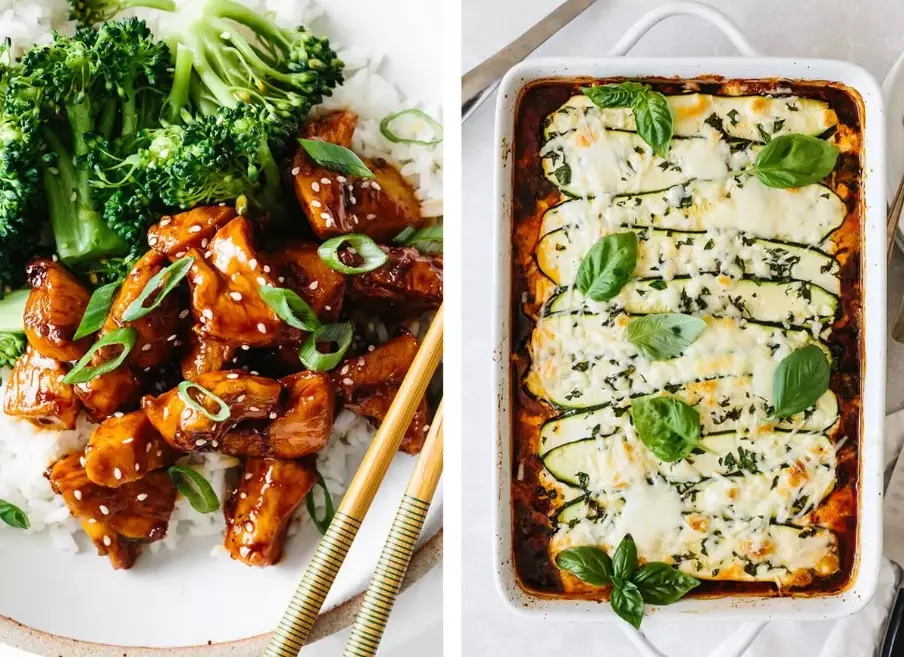
1. The "No-Fail" Quinoa Power Bowl
This isn't a recipe as much as a formula. Cook 1 cup of quinoa. While it's hot, toss it with a big handful of spinach or kale—the heat wilts it perfectly. Top with a can of rinsed chickpeas (roasted at 400°F for 20 mins with olive oil and paprika if you have time), diced avocado, and a simple lemon-tahini dressing (3 tbsp tahini, juice of 1 lemon, 2 tbsp water, a pinch of salt, whisked). Dinner is done in 25 minutes, packed with protein and fiber, and completely satisfying.
2. One-Pan Lemon Herb Chicken & Potatoes
This is my weeknight savior. Chop 1.5 lbs of baby potatoes (or sweet potatoes) into 1-inch chunks. Toss with olive oil, salt, pepper, and dried rosemary on a sheet pan. Nestle 4 chicken thighs (bone-in, skin-on for maximum flavor and juiciness) among the potatoes. Roast at 425°F for 25 minutes. Pull the pan out, scatter lemon slices and minced garlic over everything, and roast for another 15-20 minutes until the chicken is golden. The potatoes soak up the chicken and lemon juices. Zero gluten involved, zero fancy ingredients.
See the pattern? Lean on whole foods: meats, fish, eggs, legumes, vegetables, fruits, rice, corn, and potatoes. Most global cuisines have tons of naturally gluten-free dishes—think Mexican tacos with corn tortillas, Thai curries with rice, Indian dals with rice.
The Real Secrets to Gluten-Free Baking Success
This is where most people get frustrated. Gluten gives bread its chew and cakes their spring. Without it, you need a new strategy.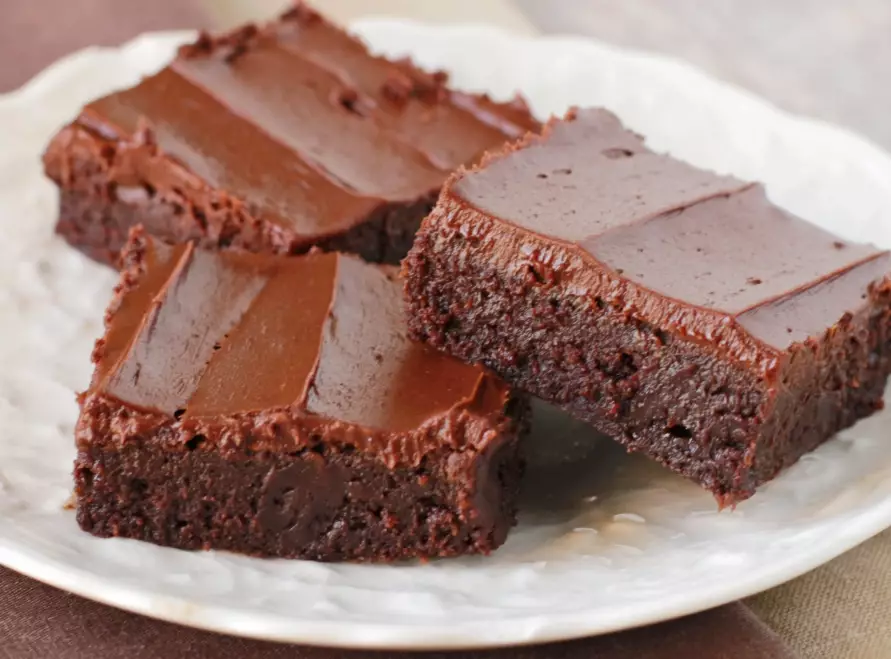
Forget Just Flour Blends: The Hydration Factor
The single biggest mistake is treating gluten-free dough like wheat dough. Gluten-free flours are thirstier. If your pancake batter looks like regular batter, it's probably too thick. Let it sit for 5 minutes after mixing—you'll see it thicken. Then, add a splash more milk or water until it looks a bit looser than you're used to. This extra hydration prevents a dry, gritty texture.
A Sample Recipe: Foolproof Chocolate Chip Cookies
Here’s a concrete example of the principles in action. This recipe works because it balances fat, sugar, and that crucial hydration.
- 1 ¼ cups (160g) 1:1 gluten-free flour blend (with xanthan gum)
- ½ tsp baking soda
- ½ tsp fine sea salt
- ½ cup (115g) unsalted butter, melted and slightly cooled
- ½ cup (100g) brown sugar
- ⅓ cup (65g) white sugar
- 1 large egg + 1 extra egg yolk (the yolk adds fat and richness)
- 1 ½ tsp vanilla extract
- 1 ¼ cups chocolate chips
Method: Whisk dry ingredients. Whisk melted butter and sugars for a full minute—this is key for texture. Beat in egg, yolk, and vanilla. Stir in flour mix until just combined, then fold in chips. The dough will be soft. This is normal. Chill for at least 1 hour (overnight is better). Scoop onto a parchment-lined sheet and bake at 350°F for 10-12 minutes. Let them cool on the sheet—they'll finish setting. Chewy edges, soft center. Promise.
The One Gluten-Free Mistake Everyone Makes
Relying solely on starchy, refined gluten-free flour blends. A diet of white rice flour, potato starch, and tapioca starch will leave you feeling sluggish and won't deliver the nutrition you might be seeking. The fix? Incorporate whole-grain gluten-free flours.
Try substituting 25% of the all-purpose blend in a recipe with one of these:
- Oat flour: Grind certified GF oats in a blender. Adds a lovely, mild sweetness and chew. Perfect for muffins and pancakes.
- Buckwheat flour: Despite the name, it's gluten-free. Has a strong, earthy flavor that's amazing in pancakes and hearty breads.
- Almond flour: Adds moisture, protein, and fat. Best for cookies, crusts, and dense cakes. Note: It's not a 1:1 sub; find recipes designed for it.
This small swap adds fiber, nutrients, and a more complex flavor that makes food taste homemade, not like a lab experiment.
Easy Gluten-Free Dinner Ideas for Busy Nights
You don't need a recipe for every meal. Think in templates.
The Stir-Fry Template: Protein + Veggies + Sauce + (Rice or Rice Noodles). For the sauce, mix ¼ cup tamari, 2 tbsp honey or maple syrup, 1 tbsp rice vinegar, 1 tsp minced ginger, and 1 tsp sesame oil. Thicken with a slurry of 1 tsp cornstarch mixed with 1 tbsp water. Pour over your stir-fry in the last minute of cooking.
The "Pasta" Night Template: Use corn- or rice-based pasta (Barilla and Jovial are great brands that don't get mushy). Cook it in plenty of salted water and rinse it after draining—this stops the stickiness. Pair with a robust sauce: a meaty ragù, a creamy Alfredo made with cornstarch as a thickener, or just good olive oil, garlic, and chili flakes.
The Taco/Nacho Template: Ground meat or black beans seasoned with chili powder + corn tortillas or corn tortilla chips + all the toppings (salsa, guac, lettuce, cheese). It's naturally gluten-free, endlessly customizable, and always a crowd-pleaser.
Your Gluten-Free Cooking Questions, Answered
 What's a good gluten-free substitute for all-purpose flour in gravy or sauces?