Tokyo is a dazzling, overwhelming city. First-timers often stare at the map, paralyzed by choice. Do you go for ancient temples or neon-lit skyscrapers? Serene gardens or chaotic crosswalks? After years of exploring and dragging visiting friends around, I've narrowed down the list to the absolute essentials. These are the Tokyo attractions that deliver the iconic experience you're looking for, along with the practical, gritty details you need to actually enjoy them.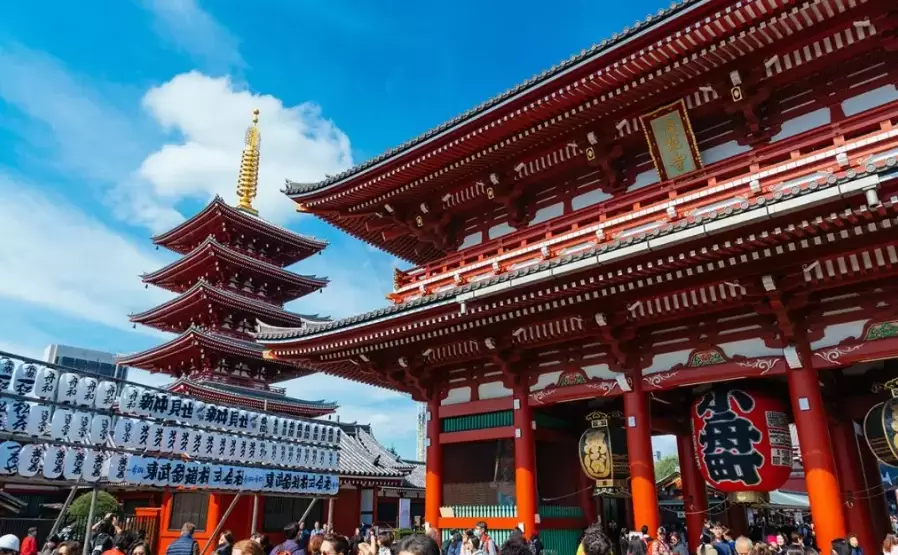
Your Tokyo Adventure Starts Here
Tokyo's Iconic Landmarks: History Meets the Future
Let's start with the postcard views. These two spots represent Tokyo's dual identity perfectly.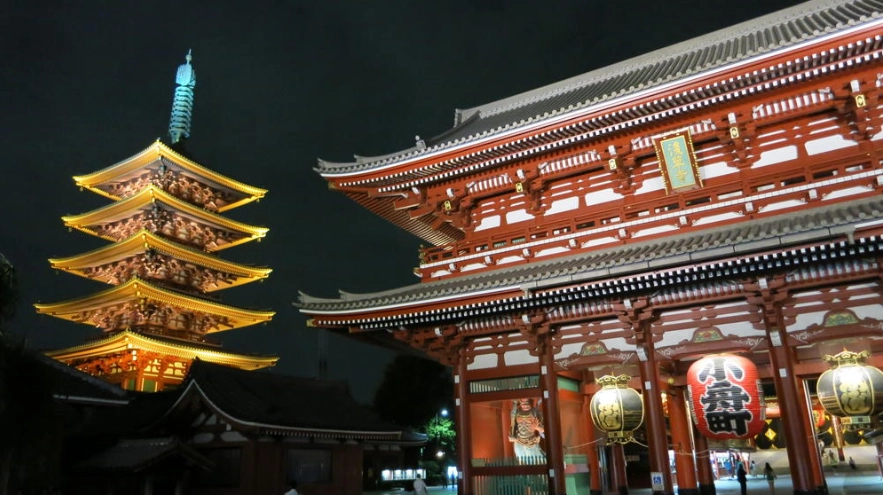
Senso-ji Temple (Asakusa)
This is Tokyo's oldest temple, and it feels like it. Walking through the giant Kaminarimon (Thunder Gate) with its massive lantern is a moment. The problem? Everyone knows it. By 10 AM, the Nakamise shopping street leading to the temple is a slow-moving river of people.
Address: 2-chōme-3-1 Asakusa, Taito City, Tokyo 111-0032.
Nearest Station: Asakusa Station (Ginza Line, Asakusa Line, Tobu Line). A 5-minute walk.
Hours: Main temple grounds always open. Main hall 6:00 AM to 5:00 PM (Oct-Mar) / 6:00 AM to 6:30 PM (Apr-Sep).
Cost: Free to enter the grounds. A small fee (approx. 100 yen) to enter the inner sanctuary.
Most blogs tell you to try the melon pan or ningyo-yaki on Nakamise. They're fine. But for a better snack, look for the age-manju (fried sweet bean paste bun) at one of the side stalls. Less sugary, more satisfying.
Tokyo Skytree
The world's tallest freestanding broadcasting tower. The views are, unsurprisingly, incredible. On a clear day, you can see Mount Fuji. But here's the non-consensus part: The Tembo Galleria (the highest level) is often not worth the extra ticket. The main Tembo Deck at 350m gives you the panoramic view you came for. The Galleria is just a narrow, sloping corridor another 100m up. The view isn't that different, and it feels more cramped.
Book your tickets online in advance. The queue for same-day tickets can easily waste two hours of your day. Aim for a slot about 60-90 minutes before sunset. You'll see the city in daylight, watch the sunset, and see the neon lights pop on. The Skytree Town complex at its base is a massive mall (Solamachi) – good for souvenirs and food if you don't mind crowds.
Tokyo's Cultural and Spiritual Heart
Beyond the most famous temple, Tokyo has pockets of profound tranquility.
Meiji Jingu Shrine
Dedicated to Emperor Meiji and Empress Shoken, this shrine is a 175-acre forest in the middle of Shibuya and Harajuku. The contrast is the point. You walk from the insane fashion crowds of Takeshita Street into a serene, shaded path of gravel and towering trees. The air cools down several degrees.
The shrine itself is understated compared to Senso-ji's vibrancy. It's about the atmosphere. Visit on a weekend morning and you might see a traditional Shinto wedding procession – a magical, quiet moment. Write your wish on an ema (wooden plaque) and hang it up. The iris garden is beautiful in June but requires a separate paid entry.
Nearest Station: Harajuku Station (JR Yamanote Line) for the main south entrance. Meiji-jingumae Station (Chiyoda Line) for the north side.
Hours: Shrine: Sunrise to sunset. The forest park opens earlier.
Cost: Free to enter the main shrine grounds. Iris Garden: 500 yen (only open during iris season, approx. mid-June).
The Beating Heart of Modern Tokyo
This is the Tokyo you see in movies.
Shibuya Scramble Crossing
It's a crosswalk. But it's the crosswalk. Watching (or joining) the pulsing wave of hundreds of people crossing from all directions is a spectacle of organized chaos. The best view isn't from the ground level.
Head to the second-floor Starbucks in the Tsutaya building (it's usually packed, be patient). Or, for a better, less crowded vantage point, go to the MAGNET by SHIBUYA109 building. Pay about 500 yen to go up to the "MAGNET's VIEW" rooftop observation deck. You get an unobstructed, high-angle view perfect for photos and videos.
Don't just cross and leave. The statue of Hachiko the loyal dog is the meeting spot here. The entire Shibuya area is a vortex of shopping, dining, and nightlife. It's exhausting and exhilarating.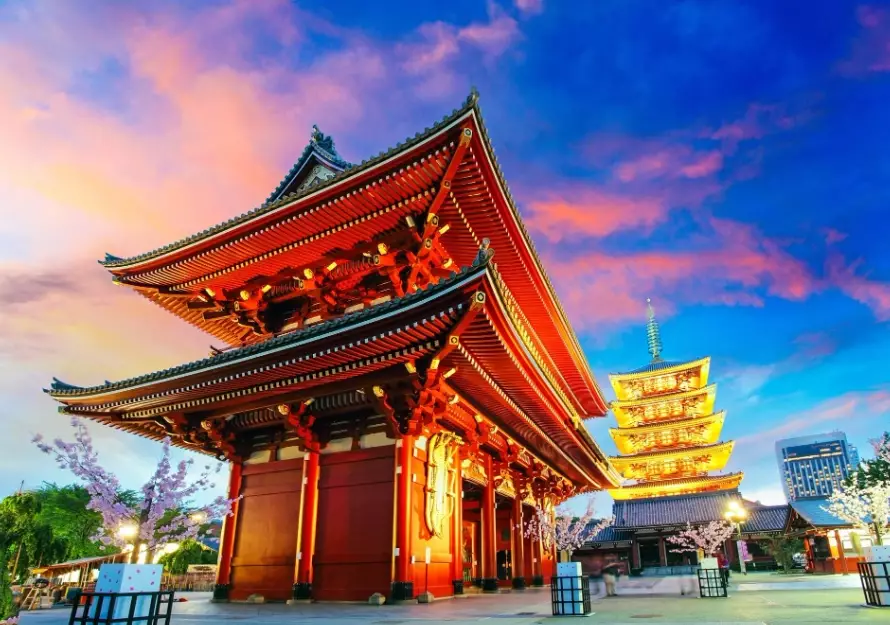
Tokyo's World of Fantasy and Fun
For many, a Tokyo highlight isn't a place, but a feeling of wonder.
Tokyo Disney Resort & TeamLab Planets
I'm grouping these because they represent two different types of "fantasy" attractions. Tokyo Disney Resort (comprising Disneyland and DisneySea) is a full-day, often multi-day commitment. DisneySea is unique in the world and worth the hype for its stunning nautical themes. The key here is strategy: get there before opening, use the official app to book Priority Passes (fast passes), and accept you won't see everything.
On the other hand, teamLab Planets TOKYO in Toyosu is a 90-minute immersive digital art experience. You walk barefoot through water, wander among infinite crystal lights, and lie under floating flowers. It's less about rides and more about sensory immersion. Book tickets weeks in advance online. They sell out constantly.
| Attraction | Type | Key Booking Tip | Ideal For |
|---|---|---|---|
| Tokyo DisneySea | Theme Park | Stay at official hotel for 15-min early entry. Use app for passes. | Families, Disney fans, those seeking unique park design. |
| teamLab Planets | Immersive Art Museum | Book online 1-2 months ahead for prime slots. | Couples, Instagrammers, art lovers, a cooler indoor activity. |
How to Plan Your Tokyo Attractions Itinerary
Grouping by geography saves your feet and your sanity. Tokyo's metro is excellent, but station transfers can be long.
East Tokyo Day (Old & New): Start at Senso-ji (Asakusa) in the early morning. Walk along the Sumida River towards Tokyo Skytree (about 20-30 min walk, or one subway stop). Do Skytree late morning. In the afternoon, take the train to Ueno for the park and museums, or head back to Asakusa for a river cruise to Hinode Pier or Hamarikyu Garden.
West Tokyo Day (Modern & Traditional): Hit Meiji Jingu as soon as it's light. Then explore Harajuku (Takeshita Street) as the shops open around 10-11 AM. Walk down Omotesando for high-end architecture and shopping. In the afternoon, take the short train to Shibuya. Experience the crossing, shop, and then in the evening, take another short train to Shinjuku for the Kabukicho nightlife and the free Metropolitan Government Building observatory night view.
Don't try to do more than two major attractions per day. The travel, the crowds, and the sheer scale of these places will wear you out.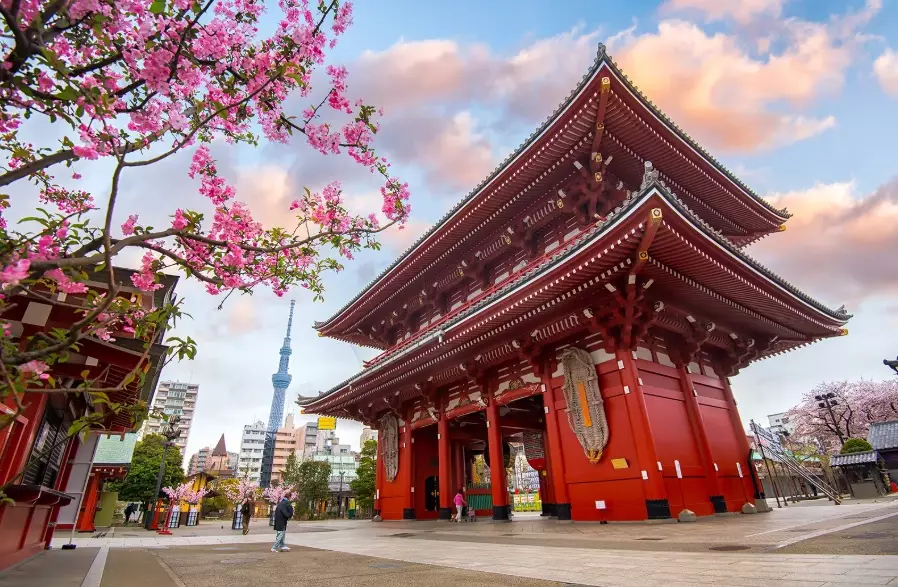
Tokyo Travel FAQs (Answered Honestly)
Is the Tokyo Skytree worth it compared to the Tokyo Metropolitan Government Building?
It depends on your budget and tolerance for crowds. The Skytree view is more iconic, centered on the Sumida River, and you can see farther (to Fuji on clear days). The experience is more polished and "touristy." The Government Building is free, less crowded, and offers a stunning, dense canyon-of-skyscrapers view of Shinjuku. If your budget is tight or you hate lines, the Government Building is a fantastic choice. If you want the "I visited the world's tallest tower" experience and the classic view, book Skytree in advance.
What's the best way to avoid crowds at Senso-ji Temple?
The 6:00 AM strategy is the gold standard. If you can't manage that, go late. After 5 PM, the main hall interior closes, but the grounds remain open and beautifully lit. The Nakamise shops close around 5-6 PM, so the path clears out. The temple takes on a solemn, quiet beauty. Another trick: explore the side streets west of the temple. There are smaller, quieter sub-temples and old-style shops that most visitors completely miss.
I only have one day in Tokyo – what's the single most representative attraction?
This is tough. For a single spot that encapsulates Tokyo's contrast, I'd say the journey from Meiji Jingu to Harajuku/Shibuya. In one 15-minute walk, you go from a silent, sacred forest to the epicenter of global youth culture and hyper-modernity. It's the physical manifestation of Japan's ability to hold tradition and blistering innovation side-by-side. Senso-ji is more historically significant, but this contrast is uniquely Tokyo.
Are there any "top attractions" I should actually skip?
This is personal, but I find the Tsukiji Outer Market has become a victim of its own success. It's incredibly crowded, the lanes are narrow, and prices have risen for tourists. For a fresher, less stressful seafood market experience, consider Toyosu Market (the new wholesale site – visit the viewing decks) or the Ameyoko Market near Ueno for a more local, gritty market vibe with great food stalls. Also, the Robot Restaurant in Shinjuku closed, but be wary of any overpriced, flashy dinner shows marketed as "uniquely Tokyo" – they're often just tourist traps.
 Remember, Tokyo's top attractions are popular for a reason. They're incredible. Your mission isn't to avoid them, but to outsmart the crowds with timing and a bit of local insight. Book ahead where you can, embrace the early mornings, and wear your most comfortable shoes. The city is waiting.