Let's be real. Searching for the "best" hiking trails in the Rockies feels like asking for the best flavor of ice cream—it depends entirely on what you're craving. Are you after a heart-pounding climb to a windswept ridge? A serene walk to a turquoise lake that looks photoshopped? Or a multi-day journey deep into the backcountry? The Rocky Mountains, stretching from Canada down through the US, offer an absurd abundance of choices across dozens of parks and wilderness areas.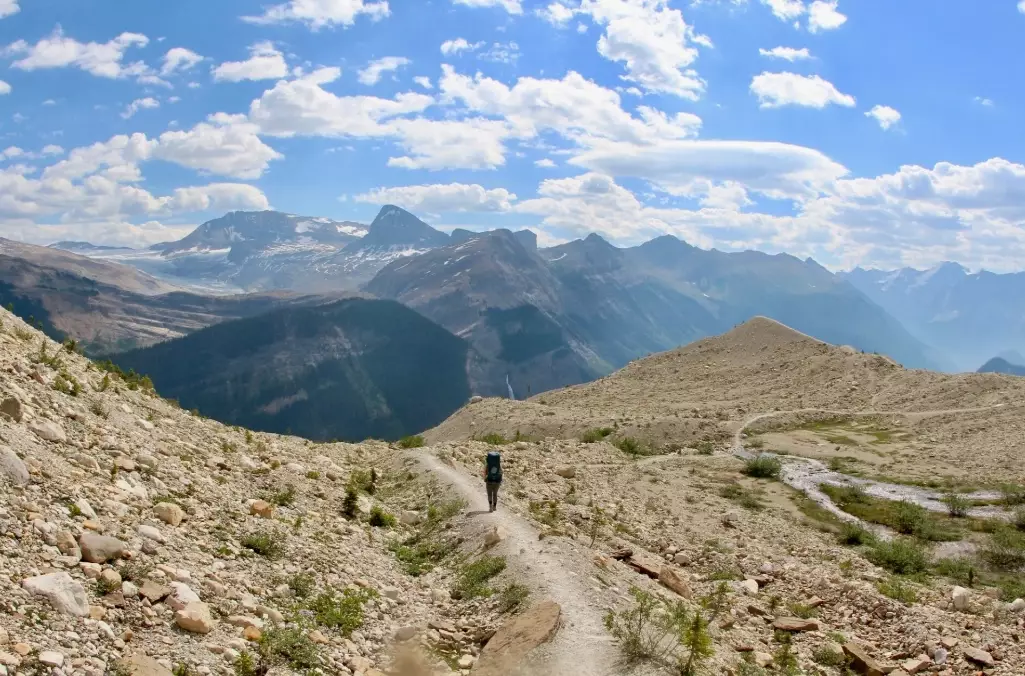
I've spent over a decade exploring these trails, from the crowded classics to the hidden gems most tourists drive right past. The mistake most first-timers make is trying to cram in too many iconic spots without understanding the logistics—permits, shuttle systems, altitude, and the sheer driving distances between trailheads. This guide cuts through the noise. We'll look at standout hikes in different regions, giving you the specifics you need to pick the right one for your fitness, time, and appetite for adventure.
Your Trail-Finding Shortcut
Why Hike the Rockies? More Than Just Peaks
Sure, the peaks are legendary. But the magic of hiking here is in the variety. In a single day, you can walk through wildflower meadows, past ancient glaciers, alongside crystal-clear rivers, and into forests that feel untouched. The ecosystems are incredibly diverse. You might see elk, bighorn sheep, marmots, and if you're lucky (or unlucky, depending on your perspective), a bear.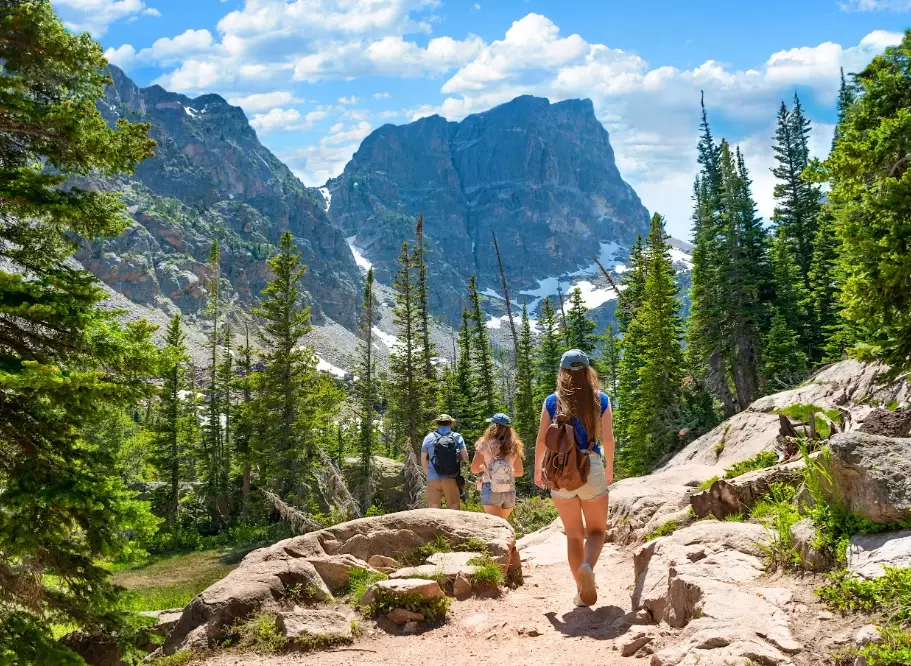
The infrastructure varies wildly too. Some trails, like those near Banff townsite, are well-signed and feel almost park-like. Others, in places like Glacier National Park (US) or the more remote parts of Jasper, are raw wilderness where you're responsible for your own navigation and safety. That's the key—matching the trail to your experience level.
A Local's Tip: Most people fixate on the famous national parks (Banff, Jasper, Rocky Mountain NP, Glacier). Don't sleep on the surrounding provincial parks (like Peter Lougheed Provincial Park in Alberta) or national forests. They often have equally stunning scenery with a fraction of the crowds, and sometimes more flexible rules about camping.
The Contenders: Top Trails Across Different Parks
Instead of a generic top 10 list, here’s a breakdown of exceptional hikes categorized by what they offer. This table gives you the hard facts; the details below give you the feel.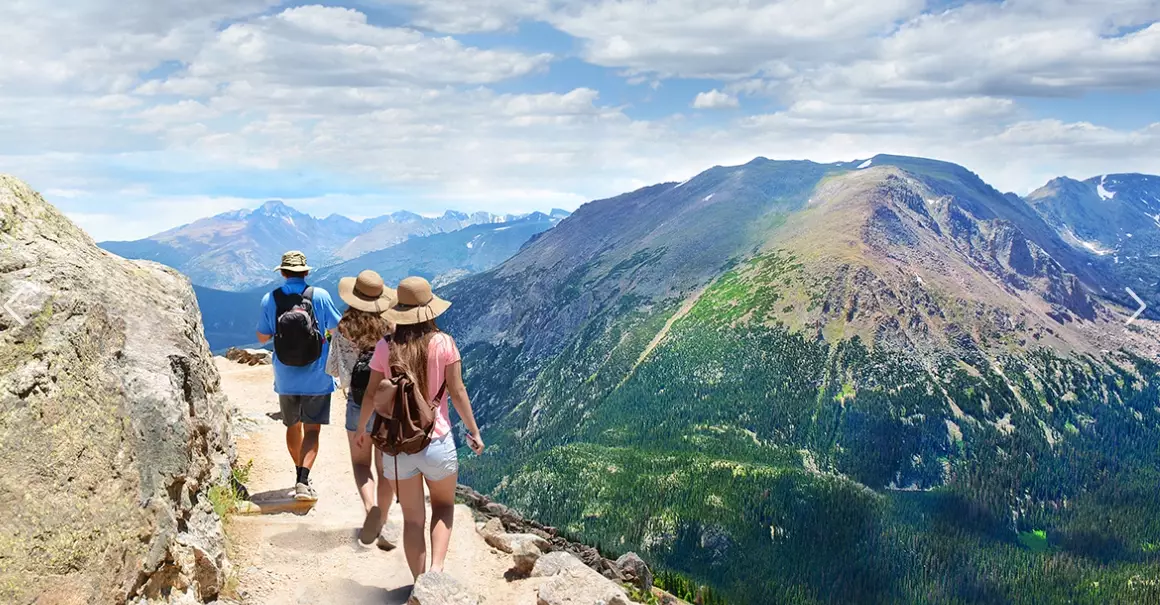
| Trail Name & Park | Length & Elevation Gain | Why It's Great / Best For | Key Need-to-Know |
|---|---|---|---|
| Skyline Trail Jasper National Park, AB |
44 km (27 mi) one-way ~1,500 m (4,900 ft) gain |
The quintessential multi-day alpine experience. You spend more time above the treeline than almost any other hike in the Rockies. | Requires backcountry permits & bear cans. Shuttle or hitch needed. Season is short (July-Sept). |
| Grinnell Glacier Trail Glacier National Park, MT |
17.7 km (11 mi) round trip 655 m (2,150 ft) gain |
Hike right up to a shrinking glacier, passing sapphire lakes and with constant mountain goat sightings. | Often requires parking reservation for Many Glacier area. Bring bear spray. Can combine with a boat shuttle to shorten hike. |
| Lake Agnes Teahouse Banff National Park, AB |
7 km (4.3 mi) round trip 435 m (1,427 ft) gain |
Accessible, iconic, with a historic teahouse serving tea and cake at the top. Perfect for families or a half-day outing. | Extremely popular. Go on a weekday before 8 AM or after 3 PM. Teahouse is cash-only (CAD). |
| Emerald Lake Loop Yoho National Park, BC |
5.2 km (3.2 mi) loop Minimal gain |
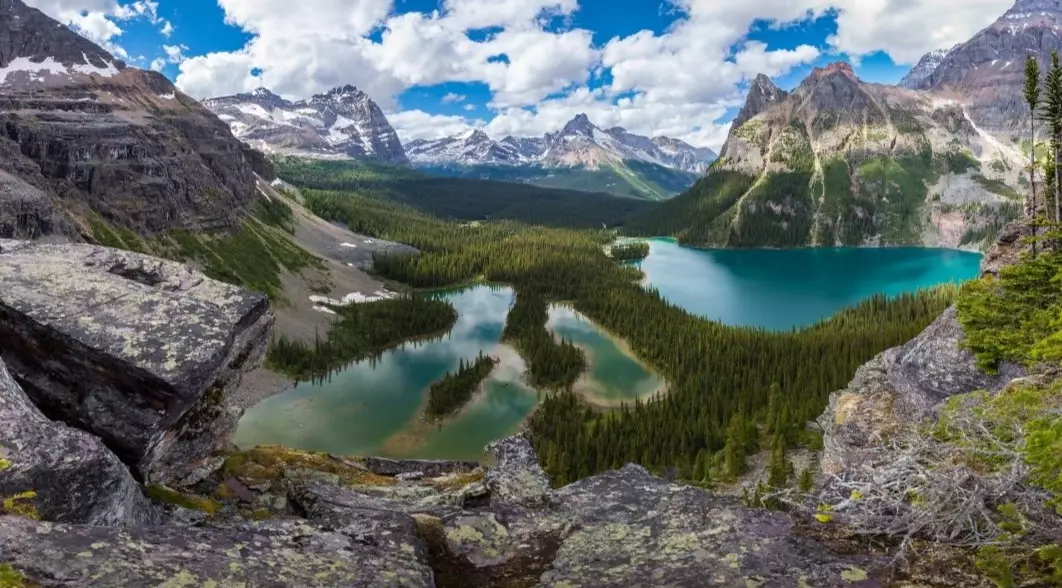
A flat, stunningly beautiful walk accessible to almost everyone. The color of the lake is unreal. | Parking fills by mid-morning. Connects to longer trails if you want more. |
| Chasm Lake Rocky Mountain National Park, CO |
13.8 km (8.6 mi) round trip 792 m (2,600 ft) gain |
A dramatic, challenging climb ending at a lake directly beneath the sheer cliff face of Longs Peak. | Starts at high altitude (~9,500 ft). Often snowy into July. Requires Timed Entry Permit for park entry. |
The Iconic Day Hike: Lake Agnes Teahouse
This is the hike I recommend to first-timers in Banff. It's busy for a reason. The trail starts at the famous Lake Louise, but you quickly leave the crowds behind as you switchback up through forest. The payoff is Lake Agnes, a perfect little alpine lake cradled by peaks, with the charming teahouse perched on its shore. The scones are legit. For more of a challenge, continue another 1.6 km up the switchbacks to the Beehives for an even better view.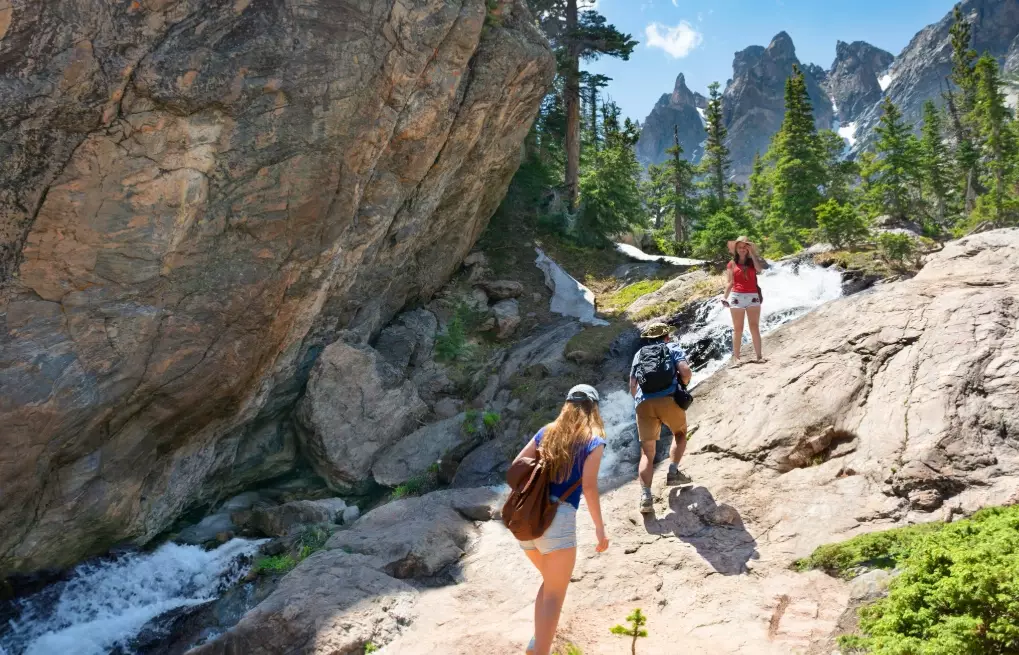
The High-Alpine Challenge: Skyline Trail
If you have 2-3 days and want the full immersive experience, this is it. I did it in late August once and got hailed on, sunburned, and saw a wolf pack—all in one day. You carry everything on your back, but the weight is worth it for nights in tents under a sky bursting with stars. Booking the campsites through the Parks Canada reservation system is competitive; set a reminder for when they open. The shuttle from Maligne Lake back to the start at Signal Mountain is a crucial logistical piece.
The Underrated Gem: Emerald Lake Loop
Everyone rushes to Lake Louise and Moraine Lake. Yoho National Park, right next door, is quieter and just as stunning. The loop around Emerald Lake is practically a stroll. You get different perspectives of the vibrant water and the surrounding President Range. It's the perfect recovery hike after a big day, or for travelers with limited mobility. The historic Emerald Lake Lodge at the trailhead is a gorgeous spot for a post-hike drink.
Beyond the Trailhead: What You Really Need to Know
The trail stats are one thing. Actually having a good time out there is another. Here’s the stuff that often gets glossed over.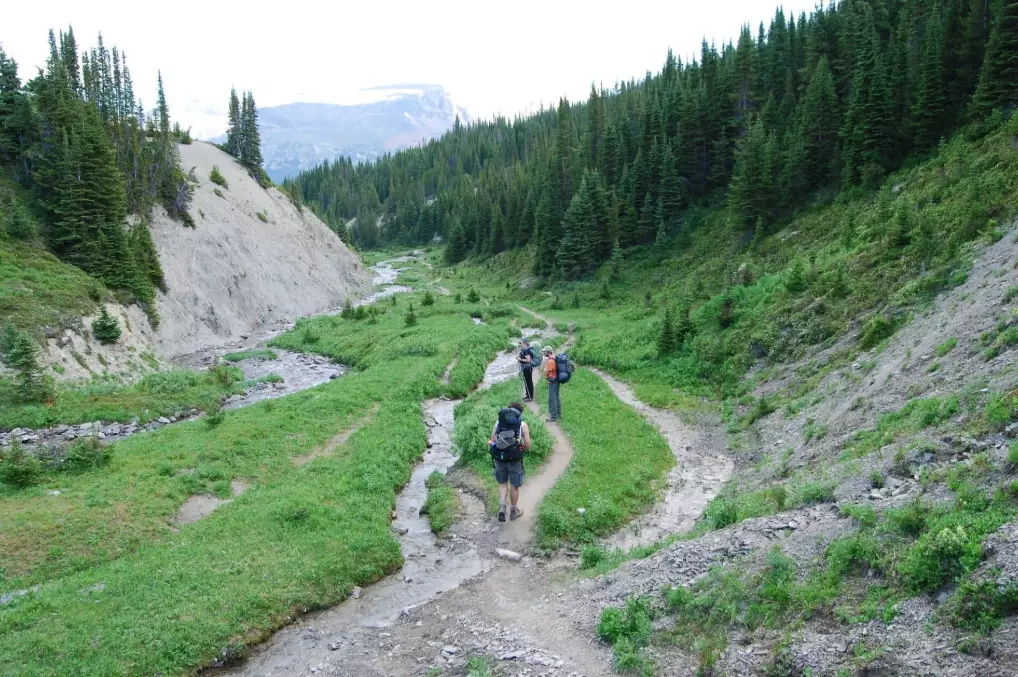
Altitude is Not a Joke. Many trailheads start above 1,500 meters (5,000 feet). Headaches, nausea, and crushing fatigue are real. My rule? Spend a full night at altitude before your big hike. Take it slow, drink twice as much water as you think you need, and avoid alcohol.
The Weather Rule: Assume It Will Change. I've started hikes in a t-shirt and finished them in a snowstorm—in July. The mountain weather is famously volatile. Pack layers: a moisture-wicking base, an insulating mid-layer (fleece/puffy), and a waterproof/windproof shell. Always have a hat and gloves, even in summer.
Permits and Reservations Are the New Normal. The days of just showing up are over for popular areas.
- Canada (Banff, Jasper, Yoho): You need a National Parks Pass for your vehicle. For backcountry camping (like Skyline), you need a specific wilderness permit booked months in advance.
- USA (Rocky Mountain NP, Glacier): Many parks now have Timed Entry Permit systems for vehicle access during peak hours. Research this on the official NPS website for your park. Backcountry camping also requires permits.
Wildlife Safety is Your Responsibility. You are in bear country. Carry bear spray, know how to use it (it's not perfume—spray a cloud between you and the bear), and make noise on the trail, especially in dense brush or near rivers. Store all food and scented items in provided lockers or in a bear-proof container.
The Gear Most People Forget: Sunscreen and lip balm with high SPF. The sun is intense at altitude. A lightweight power bank for your phone (for photos and emergency GPS). Leukotape or moleskin for blister prevention—it's a game-changer.
Your Rocky Mountain Hiking Questions Answered
What's the single biggest mistake novice hikers make in the Rockies?
Underestimating the scale and the conditions. They see a 10 km hike on flat ground at home and think it's easy. That same distance with 800 meters of elevation gain at 7,000 feet is a completely different beast. They also often start too late in the day. Afternoon thunderstorms are common; you want to be off high, exposed ridges by 1 PM.
I get altitude sickness easily. Are there any best hikes in the Rockies that are lower?
Focus on the valleys and lake loops. The Emerald Lake Loop in Yoho starts around 1,300 meters. Many trails in the Bow Valley around Banff town (like Johnston Canyon) are also at relatively lower elevations. In the US Rockies, look at trails originating in the Kawuneeche Valley (west side of Rocky Mountain NP) which is lower than the popular east side.
 Do I really need bear spray? Where do I get it?
Yes, if you're hiking anywhere outside a busy, paved tourist area. You can rent or buy it at most outdoor stores, gas stations, and visitor centers in mountain towns. In Canada, it's widely available at stores like MEC or local shops in Banff/Canmore. You cannot take it on planes (even in checked luggage). Plan to buy it upon arrival.
Are these trails suitable for hiking with kids?
Absolutely, but pick wisely. The Lake Agnes Teahouse, Emerald Lake Loop, and parts of Johnston Canyon are fantastic with kids. Manage expectations—turn around based on their energy, not the summit. Bring tons of snacks. For older, adventurous kids, a hike like Plain of Six Glaciers (also from Lake Louise) can be a memorable challenge.
What's one piece of advice you never see in guides?
Check the park's official website for trail condition reports the night before. A "best hike" in July can still be covered in snow or have a dangerous river crossing. Rangers update these regularly. Also, download offline maps (like on AllTrails Pro or Gaia GPS). Cell service is non-existent on most trails, and getting lost is easier than you think.