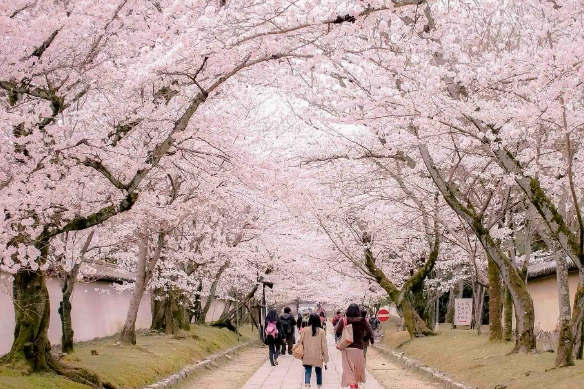
Let's be honest. When you think of Japan in spring, you picture those perfect pink clouds of sakura. It's iconic. But planning a trip around it feels like trying to catch a specific snowflake. The bloom is fickle, the crowds are massive, and everyone online seems to have a different "best" spot. I've chased sakura across Japan for over a decade, from the early blooms in Kyushu to the last petals in Hokkaido. I've had trips where I nailed the timing perfectly and others where I showed up to bare branches. This guide is everything I wish I knew before my first hanami, stripped of the romantic fluff and packed with the actionable details you actually need.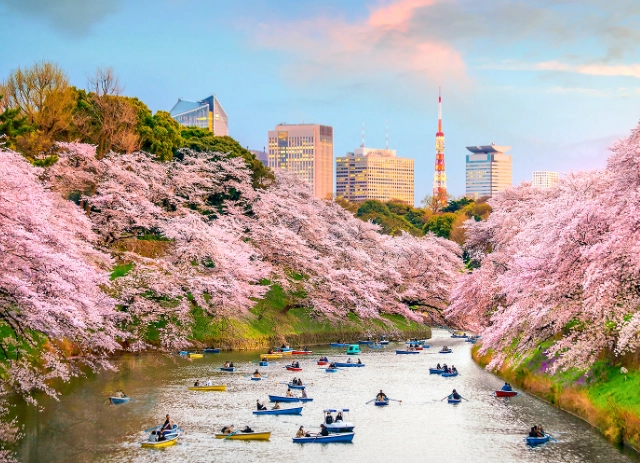
Your Quick Guide to Japan's Sakura Season
Understanding Japan's Cherry Blossom Forecast: It's Not Just About Dates
Every year, news outlets flash a single map with predicted dates. Relying solely on that is your first potential misstep. The forecast is a best guess based on temperature patterns, and a late cold snap or warm spell can shift things by a week. The key is understanding the bloom stages.
First, the buds open (kaika). About a week later, you reach "mankai" or full bloom. This peak period lasts roughly 4-7 days before the petals start to fall like snow (fubuki), which is arguably just as beautiful. I actually prefer the tail end of full bloom—fewer people, and you get the falling petals.
Where to get the real forecast: Bookmark the official Japan National Tourism Organization page and the private weather site Tenki.jp. Cross-reference them starting about 2 months out. Don't just look at Tokyo; track the "sakura front" (sakura zensen) as it moves north.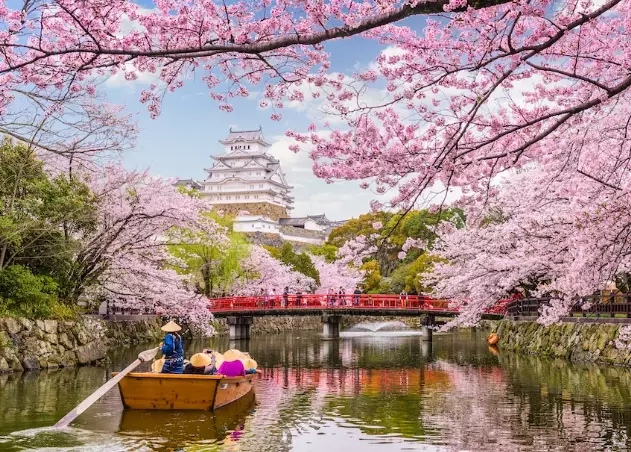
Top 5 Can't-Miss Cherry Blossom Spots in Japan (With Practical Details)
Forget generic "visit Kyoto" advice. Here are five specific locations that deliver distinct experiences, from classic postcard views to local secrets. I'm including the nitty-gritty details—how to get there, costs, and the vibe—so you can decide what fits your style.
>>Boat Rental: ¥800 for 30 mins. Lines are very long. Access: Kudanshita or Hanzomon Station. The walkway along the moat is free and stunning. >>Access: 90 mins from Osaka via train/bus. It's a hike—literal and figurative. Tip: Stay overnight in a ryokan to experience it after the day-trippers leave.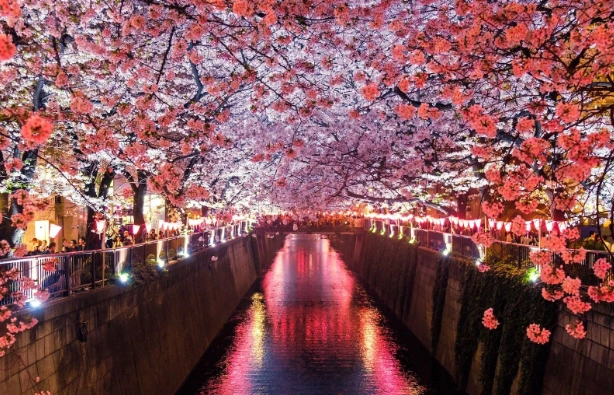
| Spot & City | What Makes It Special | Key Practical Info | Best For |
|---|---|---|---|
| Shinjuku Gyoen, Tokyo | A massive park with over 1,000 trees of early & late-blooming varieties, extending the season. Perfectly manicated lawns. | Entry: ¥500. Hours: 9:00-16:30 (last entry). Access: 5-min walk from Shinjuku Station. No alcohol allowed, so it's calmer. | Families, photographers, avoiding the boisterous party crowd. |
| Philosopher's Path, Kyoto | A serene 2km canal-side path lined with hundreds of sakura. Feels like walking through a tunnel of blossoms. | Entry: Free. Access: Start near Ginkaku-ji (Silver Pavilion). Gets packed by 10 AM. Go at sunrise or on a weekday. | A contemplative, picturesque stroll. Classic Kyoto ambiance. |
| Matsumae Park, Hokkaido | Japan's last major bloom (late April to May). Features over 10,000 trees of 250 different varieties in one feudal-style park. | Entry: Free for park, ¥360 for Matsumae Castle. Access: ~2hrs by train/bus from Hakodate. Far less international tourism. | Those with late spring schedules, variety seekers, escaping the mainland crowds. |
| Chidorigafuchi, Tokyo | Boating on a moat surrounded by towering sakura, with the Imperial Palace walls as a backdrop. Magical at night (illuminated). | A unique, iconic Tokyo experience. Worth the wait for the boat once. | |
| Yoshinoyama (Mt. Yoshino), Nara | The holy grail. 30,000 cherry trees covering an entire mountain slope across four distinct areas (shimo, naka, kami, oku). | The ultimate sakura pilgrimage. Hikers and those wanting an immersive, multi-level view. |
My personal favorite? Yoshinoyama on a weekday morning. The scale is humbling. But for a first-timer with limited time, you can't beat the convenience and variety of Shinjuku Gyoen in Tokyo.
How to Plan Your Sakura Trip: A Step-by-Step Itinerary Builder
Let's build a trip. Don't just copy a generic 7-day plan. Think about your priorities.
Step 1: Lock in Your Core Dates & Flights
Based on the average forecast for your target region (e.g., Tokyo/Kyoto: last week of March to first week of April), book your flights 6-8 months out. Be prepared for higher prices. Immediately book refundable accommodations.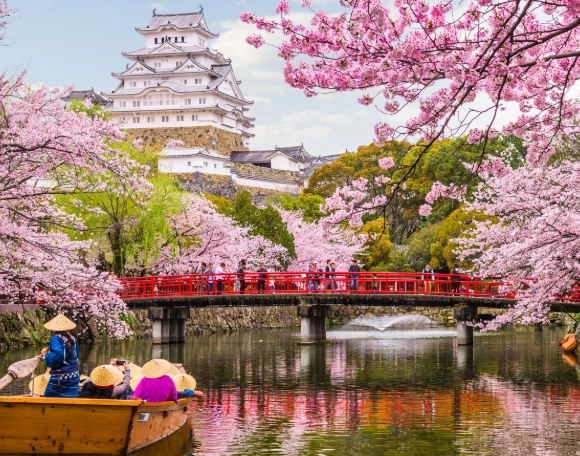
Step 2: The North-South Itinerary Strategy
If you have 10+ days, you can chase the bloom. Start in Kyushu (Fukuoka) in late March, move to the Kansai (Kyoto/Osaka) region for early April, and end in Tokyo for mid-April. This requires flexible transport—a 7-day Japan Rail Pass might pay off.
Step 3: Book the Unmovables
As soon as you have dates, book these:
Accommodation: Hotels near major parks book up a year ahead. Look for places near Yamanote Line stations in Tokyo, or near subway lines in Kyoto.
Special Events: Some illuminations or festival reservations open early.
Inter-city trains: Shinkansen (bullet train) reserved seats can sell out.
Step 4: The Final Two-Week Tweak
Two weeks before arrival, check the live forecasts. If blooms are early, maybe shift a Tokyo day-trip to an earlier-blooming spot like Kawazu. If late, research later-blooming varieties (yaezakura) or head to higher elevations.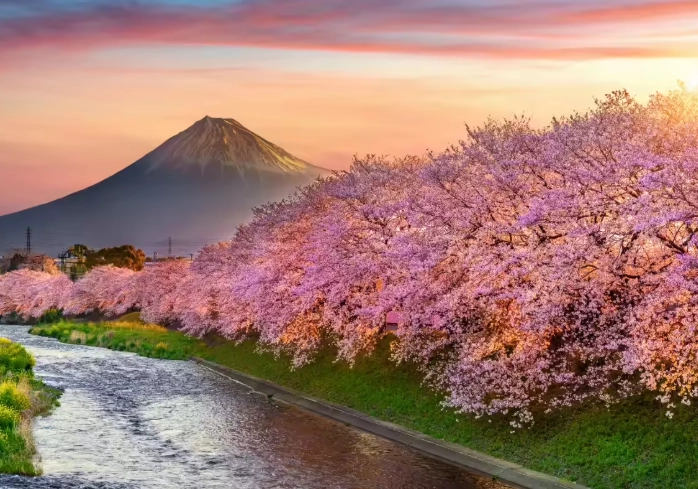
The Unspoken Rules of Hanami: Etiquette and Local Secrets
Hanami (flower viewing) is often a party with friends on a blue tarp. It's fun, but there are rules.
- The Tarp Rule: People reserve spots with tarps early in the morning, often with one person sitting there for hours. Don't step on or move someone's tarp. It's their sacred space.
- Noise & Garbage: Keep music volume respectful. This is a public park. Take every single piece of your trash with you. There are never enough bins.
- Don't Shake the Trees. It seems obvious, but you'll see people doing it for photo ops. It damages the buds and is frowned upon.
- The Best Picnic Food: Convenience store (konbini) bentos are the unsung hero. Grab one from FamilyMart or 7-Eleven—they have special hanami boxes. Don't stress about preparing an elaborate meal.
A local secret? Many department stores (depachika) sell incredible high-end hanami bentos. Treat yourself at least once.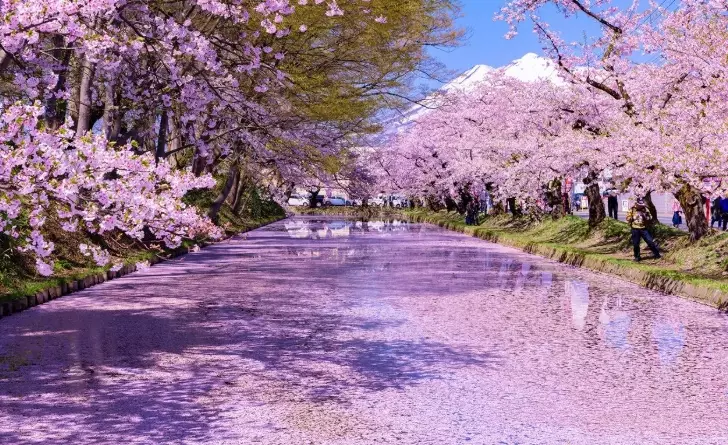
What Are the Biggest Mistakes First-Timers Make During Sakura Season?
Beyond the forecast, here are the subtle errors that can derail your experience.
Mistake 1: Over-scheduling. You'll move slower than you think. Crowds mean longer waits for trains, food, and entry. Plan one major park visit per day, max.
Mistake 2: Only chasing the famous Somei Yoshino. This is the classic pale pink variety. But if you miss it, look for the early-blooming Kawazu-zakura (darker pink) or the late-blooming, peony-like Yaezakura. They're stunning in their own right.
Mistake 3: Ignoring night-time illuminations (yozakura). Places like Chidorigafuchi or Meguro River in Tokyo are transformed at night. The atmosphere is completely different—more romantic, less chaotic.
Mistake 4: Not having a bad-weather backup. Rain and wind can strip petals overnight. Have indoor plans ready: a museum, an onsen town, a cozy cafe. Japan is amazing even without sakura.