Let's be honest. You can follow a recipe to the letter and still end up with a meal that's just... fine. It's edible, sure. But it lacks that magic, that restaurant-quality depth and finesse. The secret isn't a mythical ingredient. It's technique. Gourmet cooking techniques are the bridge between following instructions and truly understanding food. They're what transform a piece of chicken from dry and bland to juicy and flavorful, a simple sauce from thin and broken to velvety and rich.
I spent years thinking better equipment was the answer. Then I worked a stage in a professional kitchen and realized my $200 knife mattered less than knowing how to properly sear a scallop. This guide is about those fundamental skills. We'll move beyond boiling and baking into the methods that give chefs control and consistency.
What's in This Guide?
The Foundation: Mastering Heat Control
Heat is your most powerful tool, and most home cooks use it like a blunt instrument. Gourmet cooking is about precision. It's the difference between a gray, steamed steak and one with a dark, crispy crust and a rosy interior.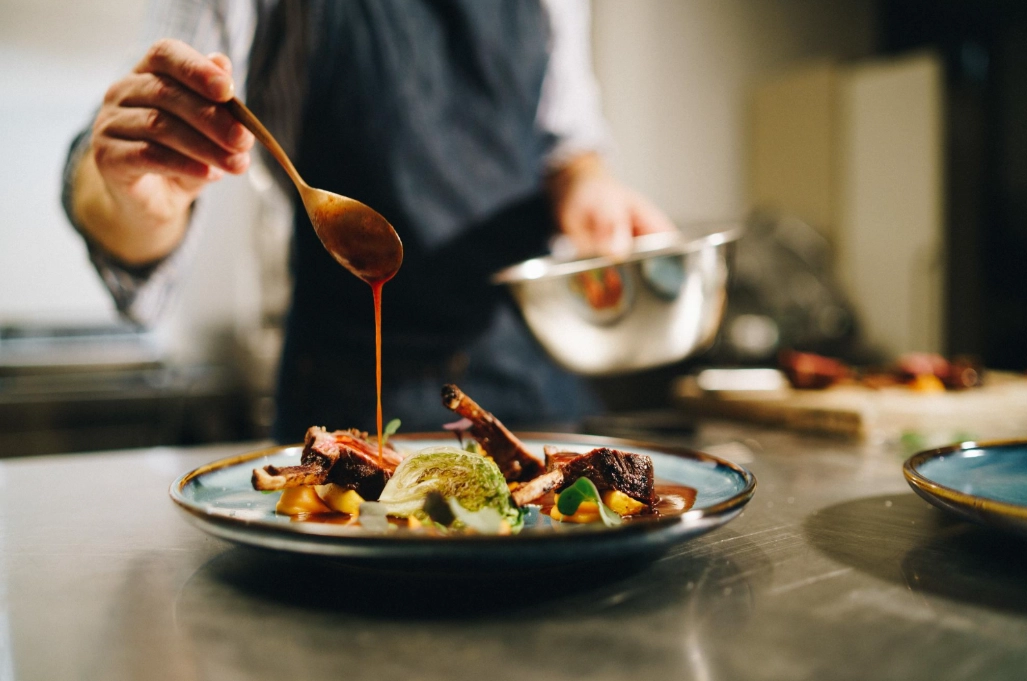
How to Master High Heat Searing
Searing isn't just for color. It triggers the Maillard reaction, a complex chemical process that creates hundreds of new flavor compounds. That's the source of the deep, savory, nutty taste on a perfectly cooked piece of meat or fish.
The biggest mistake? Using a cold pan or overcrowding it. You need space. If you pile food in, the pan's temperature plummets, and you start stewing in released juices. One piece at a time is often better than a crowded pan.
My method? Pat your protein bone-dry with paper towels. Season generously. Heat a heavy-bottomed pan (cast iron or thick stainless steel) over medium-high heat until it's seriously hot. Add a high-smoke-point oil (grapeseed, avocado). Wait for it to shimmer. Lay the food down gently—don't toss it. Don't touch it. Let it form that crust. You'll know it's ready to flip when it releases easily from the pan. If it sticks, it's not ready.
The Low and Slow Principle: Braising and Confit
On the opposite end of the spectrum, tough, collagen-rich cuts like pork shoulder, short ribs, or duck legs become tender and succulent through gentle, prolonged cooking. Braising involves searing first, then simmering in a flavorful liquid (stock, wine) in a covered pot in a low oven. The connective tissue breaks down into gelatin, resulting in fall-apart tenderness.
Confit is a more specialized preservation technique that doubles as a gourmet method. You slowly cook meat, traditionally duck or goose, submerged in its own rendered fat at a very low temperature (around 180-200°F or 82-93°C) for several hours. The result is incredibly moist, flavorful meat with a unique texture. You can finish it in a hot pan for a crispy skin. It's not an everyday technique, but for a special dinner, it's transformative.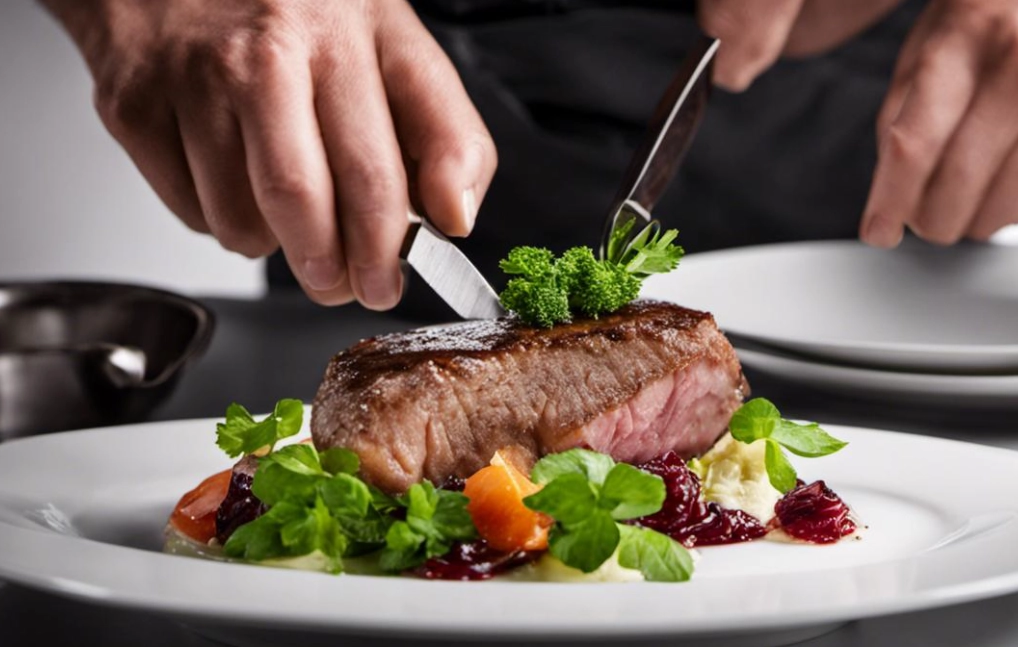
| Technique | Best For | Core Temperature Range | Key Outcome |
|---|---|---|---|
| Searing/Sautéing | Steaks, chops, scallops, vegetables | Medium-High to High (350°F+/177°C+) | Maillard reaction, crust formation, concentrated flavor |
| Braising | Tough cuts (short ribs, pork shoulder), root vegetables | Low Oven (275-325°F / 135-163°C) | Breakdown of collagen, fork-tender texture, rich sauce |
| Confit | Duck legs, garlic, potatoes | Very Low (180-200°F / 82-93°C) | Preservation, unmatched moisture, deep flavor infusion |
Controlling Moisture and Texture
Dry chicken breast. Mushy vegetables. These are failures of moisture management. Gourmet techniques give you command over texture.
The Critical Resting Period
You sear a beautiful steak. You slice into it immediately, and a flood of juices runs all over the cutting board. That's flavor and moisture you just lost. When meat is hot, its muscle fibers are tight, squeezing out moisture. Letting it rest for 5-10 minutes (longer for larger roasts) allows the fibers to relax and reabsorb those juices. Tent it loosely with foil, but don't seal it tightly, or you'll steam the crust soft. This one simple habit will improve your meat cooking by 30% overnight.
Poaching and Steaming for Delicacy
Poaching—gently cooking in a liquid just below a simmer (160-180°F / 71-82°C)—is perfect for delicate proteins like fish fillets (salmon, cod), eggs (for eggs Benedict), and chicken breasts. It yields an even, soft, incredibly moist texture. The key is controlling the heat; bubbles should barely break the surface.
Steaming is the champion for vibrant vegetables. Boiling leeches nutrients and flavor into the water. Steaming cooks with gentle, moist heat, preserving color, crunch, and vitamins. Get a simple bamboo steamer basket. It's a game-changer for broccoli, asparagus, and green beans.
Pro Tip Most Cooks Miss: When pan-searing a skin-on fish fillet or chicken thigh, start it skin-side down in a cold pan with a little oil. Then turn the heat to medium. This slowly renders the fat under the skin, making it irresistibly crispy all the way through, while the flesh cooks gently and evenly. Starting in a hot pan often burns the skin before the fat renders.
The Art of Sauce and Emulsion
A great sauce can elevate a simple piece of meat or vegetable to another level. At its heart, many gourmet sauces are emulsions—stable mixtures of fat and water that normally don't mix, like oil and vinegar.
Building a Pan Sauce (A Fundamental Skill)
Don't wash that pan after searing a steak or chicken. Those browned bits stuck to the bottom (the fond) are pure flavor gold. This is the five-minute gourmet move. Deglaze the hot pan with a liquid—wine, stock, brandy, even vinegar or water. Scrape up the fond with a wooden spoon. Let it reduce by half. Mount the sauce with cold butter, swirling it in off the heat until it melts and creates a glossy, slightly thickened emulsion. Season. That's a restaurant-quality sauce right there.
 Mastering the Mother Sauces: Hollandaise
The five French "mother sauces" (Béchamel, Velouté, Espagnole, Tomato, Hollandaise) are bases for countless derivatives. Hollandaise, a rich emulsion of egg yolk, melted butter, and lemon juice, is a test of skill. It's infamous for "breaking" (separating). The classic method involves whisking yolks and lemon over a double boiler until ribbon-thick, then slowly drizzling in warm, clarified butter while whisking constantly. Too hot, and you scramble the eggs. Too cold, and the butter won't incorporate.
A more forgiving modern method is the blender hollandaise. Blend egg yolks, lemon juice, and a dash of hot sauce until smooth. With the blender running, slowly pour in very hot melted butter. The friction and speed create a stable emulsion almost instantly. It's not quite as airy as the hand-whisked version, but it's foolproof for eggs Benedict.
Modern Methods for Precision
Technology has brought once-professional techniques into the home kitchen.
Sous-Vide: The Ultimate in Control
Sous-vide (French for "under vacuum") involves sealing food in a plastic bag and cooking it in a precisely temperature-controlled water bath for an extended period. Why is it a gourmet game-changer? It delivers perfect, edge-to-edge doneness every single time. You want a medium-rare steak? Set the bath to 130°F (54.4°C). Every part of that steak will be exactly 130°F. No gray bands, no overcooked edges. It also works wonders for delicate fish, custards, and vegetables, locking in moisture and flavor. The catch? You need an immersion circulator, which is now an affordable countertop appliance. The final step is always a quick, hard sear in a blazing hot pan or with a torch for that essential crust.
Deconstruction and Molecular Gastronomy Basics
This is the avant-garde end of gourmet cooking, popularized by chefs like Ferran Adrià and Heston Blumenthal. It's about using science to transform textures and presentations. Think a "spherical" olive that bursts with liquid olive flavor in your mouth (using sodium alginate and calcium chloride for spherification), or a dust made from powdered mushrooms.
You don't need a lab to play with these concepts. A simple start is creating foams. Using a hand blender (immersion blender) or a whipped cream dispenser with NO2 chargers, you can aerate a flavorful liquid like pea purée, fruit juice, or even a gin and tonic to create a light, ethereal foam to top a dish. It adds a surprising texture and a concentrated burst of flavor without heaviness.
Your Gourmet Technique Questions Answered
My pan sauces always break and look greasy. What am I doing wrong?
Is sous-vide worth the investment for a home cook who doesn't cook steak every day?
What's one simple gourmet technique I can try tonight with my regular kitchen gear?
I'm intimidated by making hollandaise or mayonnaise from scratch. Any foolproof method?