What's in this quick read
I’ve spent ten winters sliding on both boards and skis. I’ve eaten snow on icy blue runs, watched friends pop shoulders, and seen beginners quit after one bad fall. The question “which is safer?” comes up every season. Here’s the blunt truth: neither is inherently safe. What changes is the type of risk you sign up for. Let’s cut through the noise.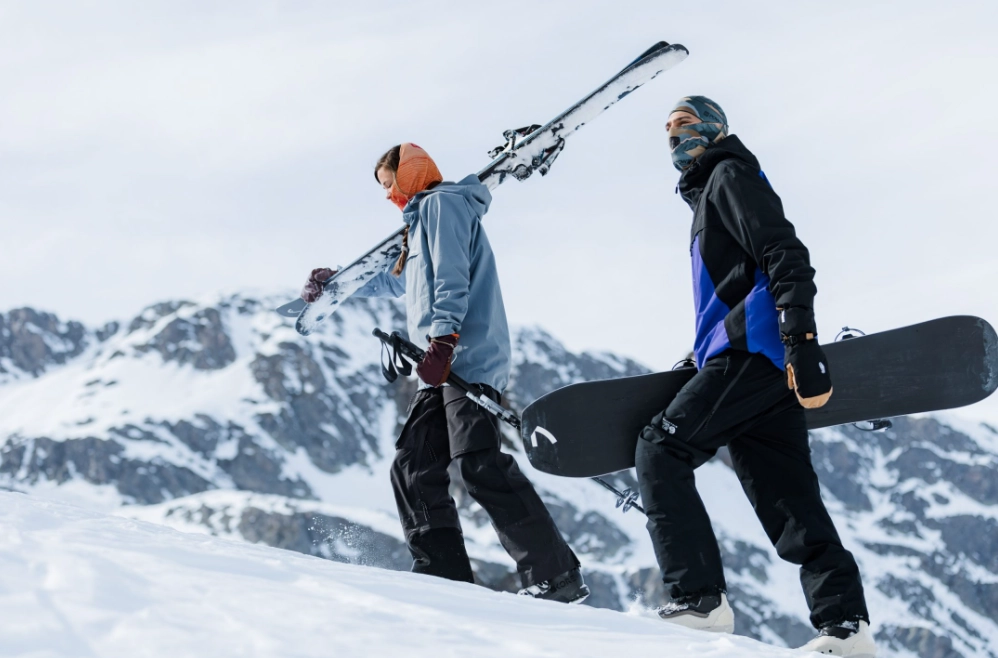
What the injury data actually says
Most studies point to a similar overall injury rate per 1,000 visits. A widely cited review from the Journal of Sports Science and Medicine found snowboarding has slightly higher overall injury rates, but skiing produces more severe knee injuries. The gap shrinks when you compare beginners only. That’s the key: your skill level shifts the safety equation more than your equipment choice. If you’re a weekend warrior, you’re safer on the discipline you’ve practiced more.
One thing many people miss: snowboarding has higher wrist and ankle injury rates, especially among first-timers. Skiing has higher rates of anterior cruciate ligament (ACL) tears and thumb injuries. So if you’ve had knee surgery, I’d lean toward snowboarding—but only if you wear wrist guards. If you have weak wrists, skiing might be your lane.
Most common injuries: snowboarding vs skiing
| Injury type | Snowboarding | Skiing |
|---|---|---|
| Wrist fractures | Very common (especially beginners) | Rare |
| ACL tears | Less common | Very common |
| Ankle injuries | Moderate | Low |
| Thumb sprains | Rare | Common (skier’s thumb) |
| Head injuries | Similar risk to skiing | Similar risk to snowboarding |
| Shoulder dislocations | Moderate | Moderate |
Here’s a non-obvious observation from my own slope time: most snowboard wrist injuries happen on flat, slow terrain—not steep blacks. Beginners catch an edge while going nearly straight, fall backward, and stick an arm out. On skis, the worst knee twists happen on catwalks and flat runouts when people relax and let their tips cross. So “safer” depends on where you’re riding, not just what’s strapped to your feet.
How gear changes the safety game
Helmets are non-negotiable for both. I don’t care how good you are. But the gear that actually prevents the most common injuries differs:
- Wrist guards cut snowboard wrist fracture risk significantly. I wear them every day, even on powder days. They feel stiff at first, then you forget them.
- Ski bindings set correctly reduce knee torque. A bad rental binding setting is a silent ACL killer. I always double-check my DIN setting—or ask the shop to show me the chart.
- Impact shorts help snowboarders avoid tailbone bruises—not life-threatening, but painful enough to end your trip.
Protection isn’t just gear. It’s how you fall. Snowboarders should learn to fall with fists closed (protect fingers and wrists). Skiers should practice releasing from bindings while standing still. I’ve seen too many people skip this 5-minute drill and pay for it later.
Why your experience level matters more than the sport
Rental shop workers will tell you: the first three days are the danger zone for both sports. A study from Johns Hopkins Medicine notes that beginner snowboarders have a higher injury rate than beginner skiers—mainly wrist fractures. However, once you hit intermediate level, the rates flip. Intermediate skiers get hurt more often than intermediate snowboarders. So if you’re planning a one-week trip, skiing might be slightly safer on day one. For long-term progression, snowboarding’s learning curve flattens out and becomes forgiving.
Let me share a quick case. My friend Lena, a cautious skier, tried snowboarding on a trip to Breckenridge. She broke her wrist on day two—on a green run. Two seasons later, she’s an intermediate snowboarder with no injuries. Her skiing friends, meanwhile, have had two ACL surgeries between them. Her advice: “Respect the flat terrain. That’s where snowboards bite.”
Another pattern I’ve noticed: snowboarders tend to sit on the snow more often (waiting, adjusting bindings). That constant up-down movement builds core strength and balance, which reduces fall risk later. Skiers stay upright, but they rely on edges more subtly. Different movement patterns, different chronic issues—snowboarders complain about sore backs from sitting, skiers complain about tired quads.
Straight answers to real questions
After a decade on both, I won’t tell you one is safer. I’ll tell you this: the mountain doesn’t care what you’re riding. It cares whether you’re paying attention. Pick the sport that matches your body and your ego, gear up properly, and learn to fall. That’s the safety strategy that actually works.
This article was fact-checked against published injury studies and my own field notes from ten seasons on snow.