
⚡ Quick Trail Kit Run-Down
Last spring I watched a guy in $200 carbon-plated trail shoes bomb a rocky descent. He was flying. Then he stopped dead—no water, no phone, no wind layer. A mile later, he was shivering on a ridge while I handed him my spare shell. He had the expensive stuff but missed what's essential.
So when people ask me what gear is essential for trail running, I don't hand them a catalog. I give them the stuff I personally won't leave the trailhead without after a decade of mountain miles. No fluff. No brand worship. Just what keeps you moving and safe.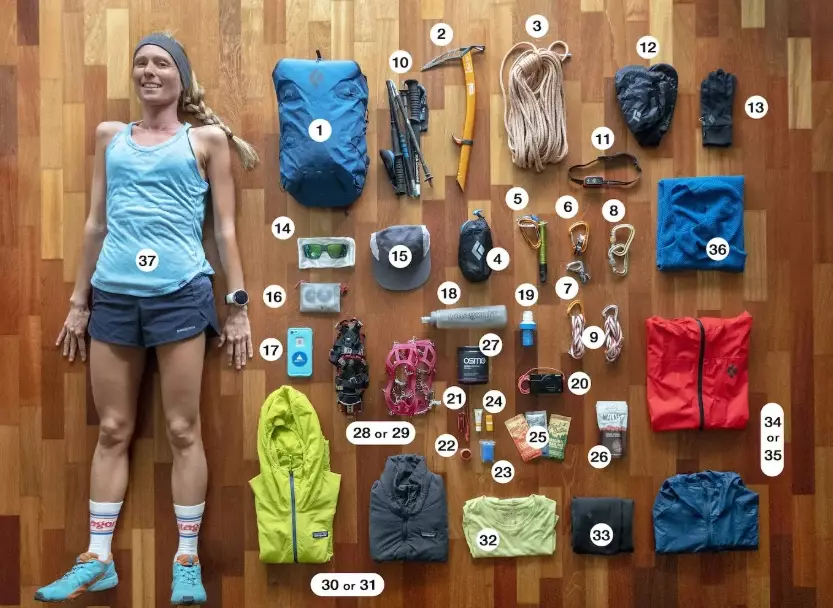
The Non-Negotiables (Safety First)
On any trail, weather can flip in twenty minutes. I've seen hail in July at 6,000 feet. So these three items ride in my vest every single run, even on a sunny afternoon.
1. A Lightweight Waterproof Shell
Not a heavy rain jacket. Something that folds into its own pocket and weighs less than a banana. Mine lives in the bottom of my vest. A good shell cut for running lets you move without sounding like a plastic bag. Look for taped seams and a hood that fits over a cap. The Mountaineers recommend a shell as part of the classic “10 essentials” for any mountain travel—trail running is no exception.
2. A Phone (and a Backup Battery)
I know, you want to unplug. But a phone is a navigation tool, a flashlight, and a lifeline. I keep mine in a zipped chest pocket with a small power bank. The one time I rolled my ankle three miles from the car, that phone got me a ride. Don't be the person asking strangers for help because your battery died.
3. A Basic First-Aid Kit and Emergency Blanket
You don't need a clinic in a bag. A few gauze pads, athletic tape, a couple of blister plasters, and a foil blanket. The blanket weighs almost nothing and can save your life if you're stuck overnight. I've used mine twice—once for a hypothermic runner, once as a sun shade for a friend with heat exhaustion.
Non-consensus tip: Skip the fancy pre-packaged first-aid kits. Most are full of stuff you'll never touch (like a huge triangular bandage) and missing what you need (like good tape for taping a sprained ankle). Build your own in a small zip pouch.
Footwear & Apparel That Actually Works
Let's talk shoes. The trail running shoe market is a mess of marketing claims. What's essential? Grip, a rock plate, and a fit that doesn't slide on descents.
| Gear Item | Why It's Essential | What I Look For |
|---|---|---|
| Trail running shoes | Grip and protection on uneven ground | 3–5mm lugs, rock plate, snug heel |
| Moisture-wicking socks | Prevent blisters and hot spots | Seamless toe, merino blend, no cotton |
| Running vest / pack | Carries water and mandatory kit | Bounce-free fit, front pockets for flasks |
| Lightweight gloves | Protection from brush and cold | Touchscreen fingertips, packable |
I once wore road running shoes on a muddy ridge trail. Big mistake. My feet slid sideways on every step, and I nearly twisted an ankle twice. Trail shoes with real lugs are not optional on anything technical. For apparel, skip the cotton t-shirt. A synthetic or merino blend moves sweat and dries fast. The American Hiking Society has a solid layering guide that applies just as well to trail runners.
How Do You Size a Running Vest?
Most people buy a vest that's too big. It should feel like a second skin, snug but not restrictive. If it bounces when you jog in the shop, size down. You want the flasks to sit high on your chest, not around your belly.
Hydration & Nutrition Gear
Two 500ml soft flasks in the front of my vest. That's my baseline for anything under two hours. For longer, I add a bladder or plan refills at water sources.
My secret weapon? A small collapsible cup. Most trail races are cup-free now, and it weighs nothing. I also carry a few electrolyte tablets. On a hot day, water alone stops being enough after about an hour—your body needs sodium.
For food, I aim for 200–300 calories per hour on runs over two hours. Real food works better for me than gels. A few dates stuffed with almond butter, a small bag of salted nuts. I've watched runners bonk hard because they only packed sweet gels and couldn't stomach them by hour four.
“I don't carry a filter unless I know there's no reliable water. A lightweight collapsible bottle and a map of streams is usually enough for a half-day run.”
Tech, Emergency, and the One Thing Most Runners Skip
Navigation is non-negotiable on new trails. I use a watch with a breadcrumb trail feature, but I always carry a paper map and a tiny compass as backup. Batteries die. Screens crack.
The one thing almost every runner I meet skips? A whistle. It's tiny, weighs almost nothing, and it's the standard signal for help in the outdoors. Three blasts means “I need help.” I clip one to my vest. Never needed it, but it's there.
Other small essentials: a headlamp (even on a day run—stuff happens), a small knife, and a few dollars or a card for a post-run coffee or an emergency shuttle.
Trail Gear FAQs from the Field
That's the kit. No gimmicks, no $500 jackets. Just the gear that lets you deal with the mountain's curveballs and still enjoy the run. Build your own list, test it on short outings first, and adjust based on what your local trails throw at you.
This article was fact-checked against recommendations from the Mountaineers and American Hiking Society safety guidelines.