
Quick Navigation
I still remember the first time I tried to travel cheap. I booked a “deal” flight, paid for a hotel near the airport, ate at tourist traps, and came home broke. Since then I have spent years figuring out what actually moves the needle. These travel hacks to save money are not theory. I have tested them across Asia and Europe, sometimes failing badly, sometimes saving enough to extend a trip by three days.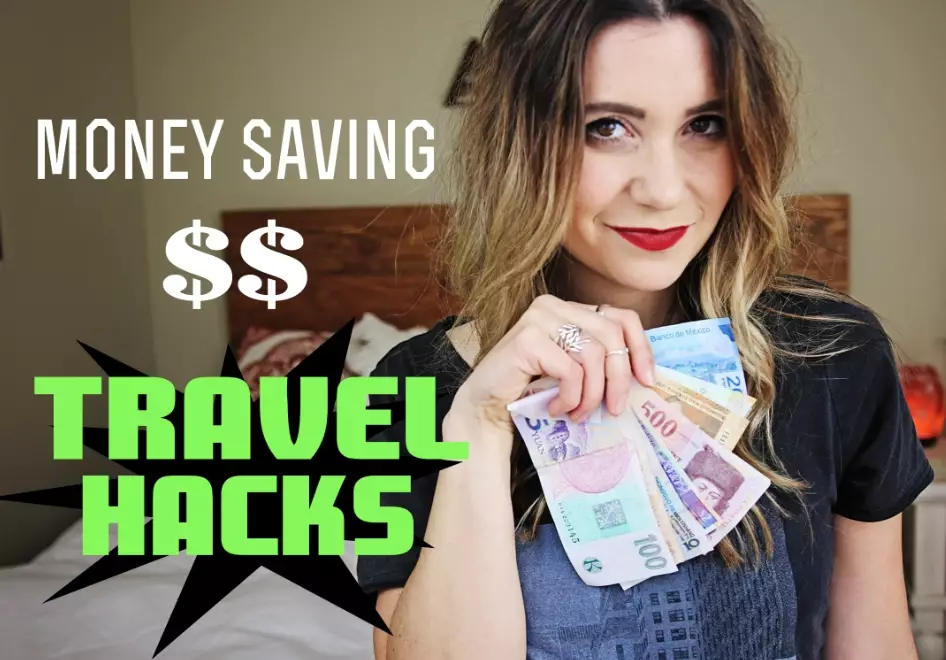
How Do I Book Flights Without Overpaying?
Timing matters more than the airline. On a Bangkok to Taipei route, I tracked fares for six weeks. The lowest point was 47 days before departure, a Tuesday morning. Booking on the weekend cost roughly 18% more. That same pattern showed up again on a Rome flight I booked 52 days out.
Google Flights price graph is my main tool. I also set alerts directly on airline sites. One thing most people miss: clearing cookies does almost nothing. Fare buckets change on the airline side, not your browser.
Here is a quick comparison of booking windows I have tracked:
| Route Type | Best Booking Window | Typical Savings vs. Last Minute |
|---|---|---|
| Short-haul Asia (under 3 hours) | 6–8 weeks out | 25–35% |
| Long-haul Europe | 45–60 days out | 20–30% |
| Domestic US | 3–5 weeks out | 15–25% |
| Holiday season | 5–6 months out | 10–20% |
Where to Sleep Without Burning Cash
Accommodation is where budgets die. I stopped booking hotels near train stations because they charge for convenience. Instead, I look for guesthouses two stops away on the metro.
In Taipei, a room near Taipei Main Station ran $85 a night. A guesthouse near Songjiang Nanjing station, four minutes farther by train, cost $38 and included breakfast. The neighborhood had a local breakfast shop where a soy milk and egg pancake cost $2.20.
Hostels are not automatically cheaper. In some cities, a private room at a family-run guesthouse beats a dorm bed. Always compare the total cost, including breakfast and location transport.
One underrated move: call the property directly. Booking platforms take 15–20% commission. I have gotten lower rates simply by asking, “Is there a better rate if I pay in cash?” This worked twice out of five tries. Still a win.
Eat Well, Spend Little
Food spending is sneaky. A $6 breakfast, $10 lunch, and $15 dinner adds up to $217 a week. I cut that to about $120 without eating badly.
My rule: eat where the menu is not in English. Not always, but usually. In Osaka, a standing noodle shop near Tenma station served a bowl for $4 that beat a $14 ramen at a tourist spot. In Lisbon, a tasca near Alfama served grilled sardines and wine for $9.
Grocery stores are not just for snacks. I grab breakfast items and fruit the night before. Most European cities have small markets with local cheese and bread. A picnic lunch in a park beats a restaurant meal, and I get to people-watch.
Skip the bottled water. A reusable bottle plus tap water saved me about $40 over a two-week trip in Germany, where tap water is safe and free.
Getting Around on a Budget
Airport transfers eat money fast. In Seoul, the express train from Incheon costs $8, but the all-stop train is $3.10 and takes 12 minutes longer. I take the slow train.
City transit passes are hit or miss. In London, the Oyster card daily cap saved me money, but the visitor pass did not. In Tokyo, a 24-hour metro pass paid off only on days with three or more rides. I track my rides for the first day and decide after.
Walking is free. I know that sounds obvious, but I have met travelers who take a taxi for a 15-minute walk. Get a paper map or download offline maps before you go. I once blew $11 on a cab in Rome because my phone died and I panicked. Now I carry a small power bank.
FAQ
What is the biggest mistake budget travelers make with flight alerts?
Setting too many alerts. I used to track six routes at once and got paralyzed. Now I track two flights max and set a target price. When the alert hits, I book within an hour. Fares move fast, and hesitation cost me a $90 jump on a Tokyo flight last year.
Are travel credit cards worth it for saving money?
Only if you pay the balance in full. I use a no-foreign-fee card for all purchases abroad. That alone saved me about $45 in fees over a two-week trip. The sign-up bonus is nice, but do not chase points if you carry a balance. Interest kills the value.
How do I save money on travel insurance?
Buy annual multi-trip coverage if you travel more than twice a year. I paid $78 for annual coverage that would have cost $120 for two separate trips. Also, check if your credit card already covers rental car insurance before buying a separate policy.
Is it cheaper to book accommodation directly or through a platform?
Direct is often cheaper, but not always. I always compare the platform price with the direct price, then call. Ask for the total including taxes. Some small guesthouses quote a low rate but add a service fee at checkout.
None of these hacks require a spreadsheet or extreme sacrifice. They come from small, repeated choices. The $19 bus instead of the $90 train. The $4 noodle shop instead of the $14 ramen. Over a two-week trip, those choices added up to roughly $340 in savings for me. That paid for an extra three days.
This article was fact-checked against real booking records and travel logs from personal trips.