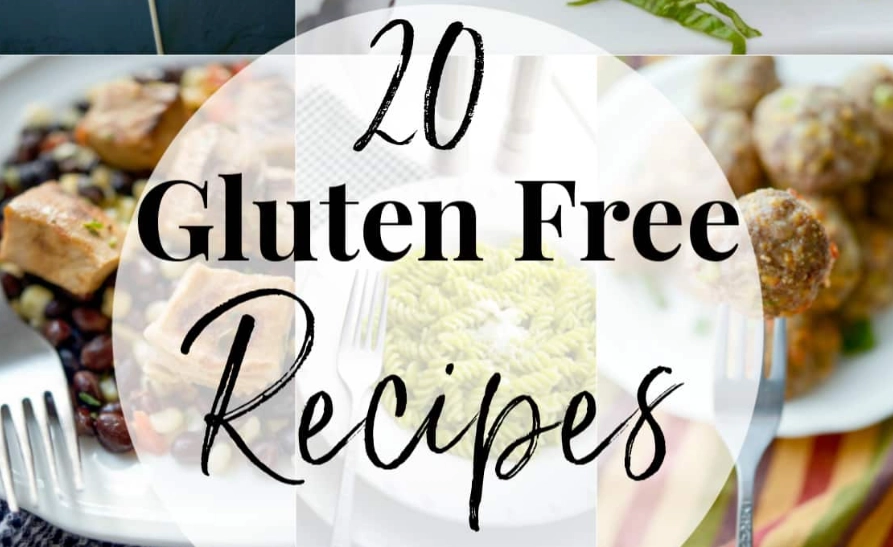
Let's be honest. When you first go gluten-free, dinner can feel like a punishment. You stare at recipes that promise "just like the real thing!" and end up with a crumbly, bland mess. I've been there—diagnosed with celiac disease over a decade ago. The turning point wasn't finding a magic product, but learning how to cook differently. This isn't about deprivation; it's about unlocking a whole new way to make easy gluten free meals that are more flavorful and satisfying than what you might be leaving behind.
What's Inside This Guide
Three Foolproof Weeknight Gluten Free Dinner Recipes
These are my workhorses. They're fast, use whole foods, and don't rely on expensive specialty blends. Each serves four.
1. One-Pan Herb Roasted Chicken & Potatoes
This is my ultimate "I have zero energy" meal. The key is getting crispy skin without flour. Forget breadcrumbs.
What you need: 4 bone-in, skin-on chicken thighs, 1.5 lbs baby potatoes (halved), 1 lemon (sliced), 4 cloves garlic (smashed), a big handful of fresh rosemary and thyme, 3 tbsp olive oil, salt, pepper.
How to make it: Heat your oven to 425°F (220°C). In a large bowl, toss the potatoes, lemon, and garlic with half the oil, salt, and pepper. Spread them on a sheet pan. Pat the chicken thighs very dry—this is crucial for crispiness. Rub with the remaining oil, plenty of salt, pepper, and the chopped herbs. Nestle the chicken skin-side up among the potatoes. Roast for 40-45 minutes until the chicken skin is golden and the potatoes are tender.
2. 15-Minute Ginger Garlic Stir-Fry with Rice Noodles
Stir-fries are a gluten-free dream, but soy sauce is the trap. Tamari is your savior (ensure it's labeled gluten-free).
What you need: 8 oz flat rice noodles, 1 lb protein of choice (shrimp, chicken strips, tofu), 3 cups mixed veggies (bell peppers, broccoli, snap peas), 3 tbsp gluten-free tamari, 2 tbsp honey or maple syrup, 1 tbsp rice vinegar, 1 tbsp fresh grated ginger, 4 cloves minced garlic, 2 tsp sesame oil, cooking oil.
How to make it: Cook rice noodles according to package, drain, and rinse. Mix tamari, honey, vinegar, and sesame oil for the sauce. Heat a wok or large skillet over high heat. Add oil, then your protein. Cook until done, remove. Add more oil, stir-fry ginger and garlic for 30 seconds, then add harder veggies (broccoli). After a minute, add softer veggies (peppers). Return protein and noodles to the pan. Pour sauce over everything and toss until heated through and coated.
3. Hearty Black Bean & Corn Tortilla Soup
This is a flavor bomb that simmers mostly unattended. It's naturally gluten-free and uses corn tortillas as a thickener, a classic Mexican technique.
What you need: 1 tbsp oil, 1 onion (diced), 3 cloves garlic, 1 tsp cumin, 1 tsp chili powder, 4 cups chicken or veggie broth, 2 (15 oz) cans black beans (rinsed), 1 (15 oz) can diced tomatoes, 1 cup frozen corn, 4 corn tortillas (torn), juice of 1 lime, cilantro, avocado for serving.
How to make it: In a pot, sauté onion until soft. Add garlic and spices, cook for 1 minute. Add broth, beans, tomatoes, corn, and the torn tortillas. Bring to a boil, then simmer for 25 minutes. The tortillas will dissolve, thickening the soup. Use an immersion blender to briefly puree about a third of the soup for a creamier texture, or leave it chunky. Stir in lime juice. Serve topped with avocado and cilantro.
Your Gluten-Free Pantry: The Non-Negotiable Essentials
A well-stocked pantry prevents the "there's nothing to eat" panic. This isn't a list of weird substitutes; it's foundational ingredients for real cooking.
Grains & Starches: Keep a variety. Brown rice and quinoa are complete protein sources. For quick cooking, millet and certified gluten-free oats are great. Don't forget pure cornmeal (for polenta) and 100% buckwheat flour (despite the name, it's gluten-free and perfect for pancakes).
Binding Agents: This is where most gluten-free baking fails. You need a mix. I always have:
- Cornstarch or arrowroot: For thickening sauces and gravies instantly.
- Xanthan gum or guar gum: A tiny pinch (¼ tsp per cup of flour) mimics gluten's elasticity in baked goods. More is not better—it creates a gummy mess.
- Flaxseed meal or chia seeds: Mixed with water, they make a great egg substitute for binding in veggie burgers or muffins.
Condiments & Flavor: Your flavor arsenal. Gluten-free tamari (richer than most soy sauces), fish sauce (check labels, but Red Boat is safe), pure spices (some spice blends contain flour as an anti-caking agent), and a good Dijon mustard.
Common Gluten-Free Cooking Mistakes (And How to Fix Them)
After coaching dozens of newly diagnosed friends, I see the same patterns. Avoiding these will level up your cooking instantly.
Mistake 1: Trying to do a 1:1 flour swap in any recipe. Gluten-free flour blends behave differently. They often need more liquid, more binding agents (like an extra egg), and a rest time for the batter to hydrate. Better yet, seek out recipes designed to be gluten-free from the start, like the ones above.
Mistake 2: Over-mixing batters and doughs. Without gluten, there's no risk of toughness from mixing. But you can overwork starches, leading to gummy textures. Mix until just combined.
Mistake 3: Not seasoning aggressively enough. Gluten-free food isn't bland; under-seasoned food is. Because you're often using whole, unprocessed ingredients, they need salt, acid (lemon juice, vinegar), and fat to sing. Don't be shy.
Mistake 4: Cross-contamination in your own kitchen. This is critical for celiacs. Designate a separate toaster, use clean condiment jars (no double-dipping with a wheat-covered knife), and have a dedicated colander for gluten-free pasta. Flour dust can stay airborne for hours.
A Simple Weekly Gluten-Free Dinner Plan
Thinking ahead is 90% of the battle. Here’s a balanced, no-repeat plan that uses leftovers smartly.
| Day | Dinner Idea | Prep Ahead Tip |
|---|---|---|
| Monday | Ginger Garlic Stir-Fry (from recipe #2) | Chop all veggies Sunday night. Mix sauce and store in a jar. |
| Tuesday | Leftover Stir-Fry | — |
| Wednesday | One-Pan Herb Roasted Chicken & Potatoes (from recipe #1) | Pat chicken dry and season in the morning. Let it sit in the fridge uncovered for even crispier skin. |
| Thursday | Black Bean Tortilla Soup (from recipe #3) | Dice the onion and measure spices the night before. |
| Friday | Build-Your-Own Taco/Night (using corn tortillas) | Use leftover chicken from Wednesday, shredded. Quick-pickle some red onions. |
| Saturday | Pan-Seared Salmon with Quinoa & Roasted Asparagus | Cook a double batch of quinoa. Use half for a lunch salad Monday. |
| Sunday | Hearty Lentil & Vegetable Soup | Make a big pot. Freeze portions for future busy nights. |
Your Gluten-Free Dinner Questions Answered
The journey to great gluten-free dinners is a shift in perspective. Stop trying to recreate your old meals perfectly. Start exploring the incredible flavors of whole foods—roasted vegetables, naturally gluten-free grains, global cuisines that never relied on wheat. The recipes and tips here are from my own kitchen, tested on skeptical family and friends. They work. Give the one-pan chicken a try tonight. You might just find your new favorite meal.