
Quick Navigation: What I Found on the Slopes
The Short Answer Nobody Likes
Is skiing declining in popularity? The honest answer is: it's complicated, but not in the way most articles suggest. Overall participation in the U.S. has hovered around 10 to 11 million skiers and snowboarders for the past decade, according to the National Ski Areas Association (NSAA). That's flat, not collapsing. But flat is a problem for an industry that built too many lifts and beds.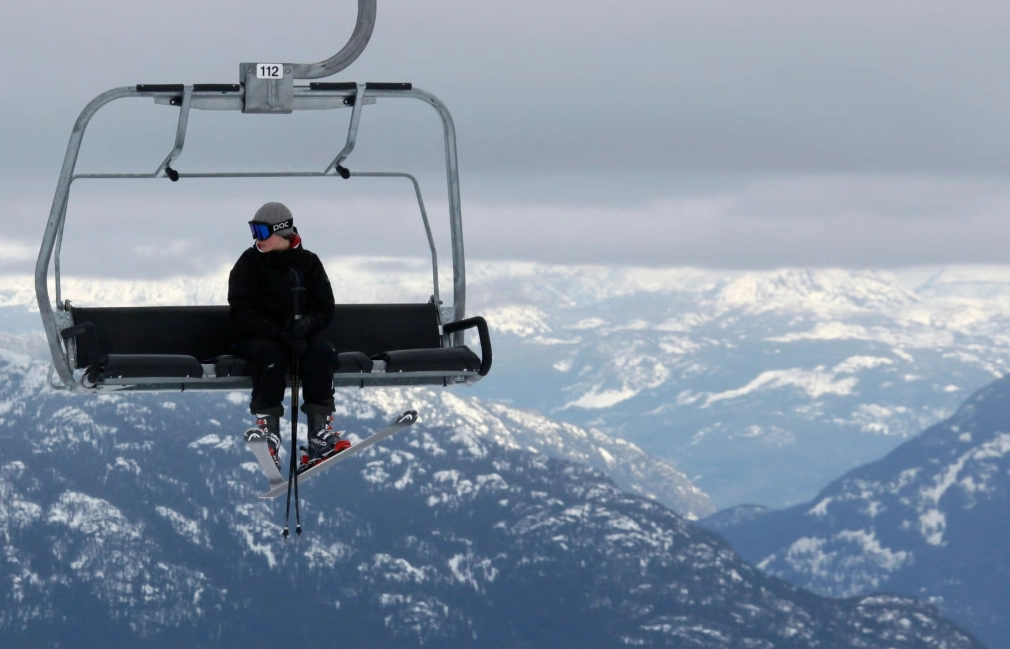
What's actually happening is a split. Destination resorts in Utah and Colorado are setting visitor records. Small local hills in the Northeast and Midwest are quietly closing. So if you ask a skier in Pennsylvania, they'll say the sport is dying. Ask one in Park City, and they'll say it's never been busier.
What Ski Resort Visitor Data Really Shows
I pulled the NSAA's Kottke End-of-Season Survey reports and cross-checked with resort earnings calls. The national skier visits number bounces around with snow conditions, but the long-term trend is flat to slightly up. The 2022-23 season hit a record 64.7 million visits. The 2023-24 season dropped to around 60 million. That's a weather dip, not a death spiral.
| Season | U.S. Skier Visits (millions) | What I Noticed on the Ground |
|---|---|---|
| 2019-20 | 48.8 | COVID shutdown in March killed the tail end |
| 2020-21 | 59.3 | Huge demand, but resorts capped ticket sales |
| 2021-22 | 60.7 | Busiest lift lines I've ever seen in Vermont |
| 2022-23 | 64.7 | Record year, but rental shops ran out of boots |
| 2023-24 | 60.0 | Warm winter in the East, empty slopes in January |
The tricky part: those visit numbers include snowboarders and repeat local skiers. A resort can post record visits while the number of unique new skiers stays flat. That's the real story—fewer newcomers, more diehards.
Gear Sales vs. On-Mountain Reality
Here's where it gets interesting. SnowSports Industries America (SIA) data shows alpine ski equipment sales have been soft for years. But walk into a demo center at Palisades Tahoe and you'll see $900 boots flying off the shelves. The gap is because casual skiers rent, and renters don't count as gear buyers.
I talked to a shop manager at a mid-sized resort in New Hampshire. He told me his rental fleet turns over every three years, but his retail sales of new skis dropped 40% since 2019. "People buy used gear on Facebook Marketplace now," he said. "They ski just as much, they just don't pay us."
Who Is Actually Showing Up?
The demographic shift is the most underreported trend. According to the NSAA's participation research, the share of skiers over 55 has grown, while the share of skiers aged 18 to 34 has shrunk slightly. That's a slow-motion problem. Older skiers spend more on season passes but ski fewer days per season and drop out sooner.
I saw this firsthand at a midweek morning at Steamboat. The lift line at 9 a.m. was mostly retirees in high-end jackets. By noon, the terrain park was full of teenagers on snowboards. The sport isn't dying—it's aging and splintering.
- New skier conversion is the weak point. First-timers try it once and don't come back, mostly because of cost and intimidation.
- Snowboarding is stealing the youth market. In 2023, snowboard participation grew slightly faster than alpine skiing.
- Multiday pass products like Ikon and Epic keep diehards hooked but make single-day tickets brutally expensive for casual skiers.
Regional Trends: Where Skiing Is Shrinking and Growing
This is where the answer to "is skiing declining in popularity" gets local. The Northeast has lost dozens of small ski areas since the 1980s. I skied at a hill in Massachusetts last winter that had two lifts and a rope tow. It was packed. The owner told me they make more money from tubing and weddings than skiing.
Meanwhile, resorts in the Rockies and the Pacific Northwest are investing millions in new lifts. Alterra Mountain Company's 2023 report showed capital spending up sharply at destination resorts. The money follows the snow and the destination travelers.
How to Check if Your Local Ski Hill Is Dying
If you're worried about your home mountain, here's a practical checklist I use when I visit a new area:
- Look at the lift maintenance log. Most resorts post it near the ticket window. If chairs are being replaced with used parts, that's a warning sign.
- Check the rental shop inventory. A shop with boots older than five years and no new helmets is not reinvesting.
- Ask a lifty how many season passes they sold. They usually know. A drop of 20% or more in one season is a red flag.
- Count the number of ski school instructors on a weekend. Fewer instructors means fewer beginners, which means a shrinking future customer base.
I did this at a resort in the Catskills last season. The rental shop had one employee and the lift line was two chairs deep on a Saturday. The mountain closed two weeks early. Not a surprise.
FAQ: Real Questions from Skiers and Beginners
I'm a beginner. Is it still worth learning to ski if the sport is declining?
Learn at a smaller local hill, not a destination resort. You'll pay half the price for a lesson and the slopes are less intimidating. The sport's core isn't going anywhere—the overcrowding is mostly at big-name mountains.
Why do lift tickets feel so expensive if fewer people are skiing?
Because the business model shifted. Resorts make their margin on real estate and multi-resort passes, not day tickets. They'd rather sell 500 season passes than 2,000 day tickets. High prices are a feature, not a bug.
Is snowboarding replacing skiing?
Not replacing, but eating into the growth. Snowboarding has a lower entry cost and a younger culture. At resorts I visited, the terrain park was 80% snowboarders on weekends. Skiing still dominates groomed cruisers and backcountry access.
What's the biggest mistake beginners make when judging if a resort is good?
They judge by vertical drop and lift count. A small hill with a freshly groomed beginner area and a good ski school will teach you faster than a huge resort where you wait in line for 20 minutes per run.
This article was fact-checked against the National Ski Areas Association's Kottke End-of-Season Survey reports and SnowSports Industries America participation data. On-mountain observations are from my own resort visits.