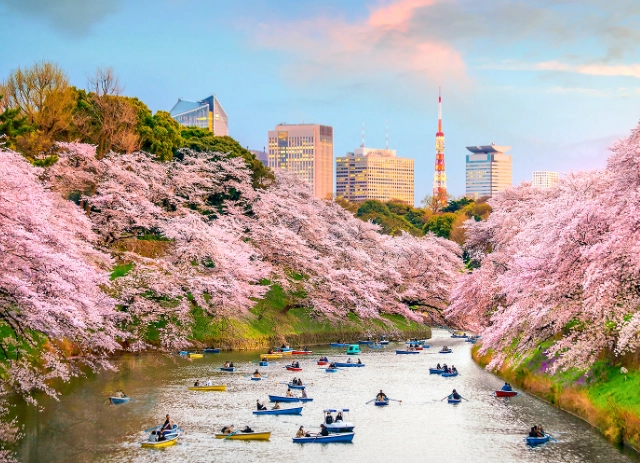
Tokyo's skyline is a mix of ancient temples and futuristic towers, but if you're short on time, focus on these five landmarks. They're not just postcard spots; they capture the city's soul. I've lived here for a decade, and let me cut to the chase: skip the fluff, these are the ones that matter. We'll dive into exact details—addresses, ticket prices, how to get there—so you can plan without guesswork.
Your Quick Guide to Tokyo's Icons
Tokyo Skytree: Touching the Clouds
Standing at 634 meters, Tokyo Skytree is the tallest tower in Japan. It's a beacon of modern Tokyo, but here's the thing: everyone goes, so timing is everything. I made the mistake of visiting on a weekend afternoon once—waited two hours for the elevator. Not fun.
Address and How to Get There
The address is 1-1-2 Oshiage, Sumida-ku, Tokyo. Take the Tobu Skytree Line to Tokyo Skytree Station—it's right there. From Asakusa, it's a 15-minute walk or a quick train ride. If you're using the JR Pass, hop off at Oshiage Station on the Hanzomon Line.
Opening Hours and Tickets
It opens at 8:00 AM and closes at 10:00 PM, with last entry at 9:00 PM. Tickets? They range from 2,100 yen for the Tembo Deck (350 meters) to 3,100 yen for the Tembo Galleria (450 meters). Book online via their official site to save 10% and skip the line. Trust me, that online booking is a lifesaver.
Senso-ji Temple: Old Tokyo's Heart
This is Tokyo's oldest temple, dating back to 628 AD. Located in Asakusa, it's a sensory overload with the Kaminarimon Gate and Nakamise shopping street. But let's be real: it's packed with tourists. I love the atmosphere, but avoid weekends unless you enjoy shuffling through crowds.
Practical Details You Need
Address: 2-3-1 Asakusa, Taito-ku, Tokyo. Open from 6:00 AM to 5:00 PM daily, and admission is free—yes, free! To get there, take the Ginza Line to Asakusa Station, exit 1. It's a 5-minute walk.
The temple grounds are spacious, but the main hall can get cramped. I recommend visiting early, around 7:00 AM, to see locals praying in peace. The shops along Nakamise open around 9:00 AM, so you can grab traditional snacks like ningyo-yaki after your visit.
Meiji Shrine: A Forest in the City
Nestled in Shibuya, Meiji Shrine is a serene escape dedicated to Emperor Meiji. It's a huge forested area—over 100,000 trees—that feels worlds away from Tokyo's hustle. I go here often to unwind, but first-timers often miss the inner garden, which costs 500 yen and is worth every penny for its quiet ponds.
Getting There and What to Expect
Address: 1-1 Yoyogikamizonocho, Shibuya-ku, Tokyo. Open from sunrise to sunset, typically 5:00 AM to 6:00 PM, varying by season. Free entry to the main shrine. Take the JR Yamanote Line to Harajuku Station, and it's a 10-minute walk through the torii gate.
The shrine is less crowded on weekdays, but even on weekends, the forest absorbs people well. I've seen weddings here—a magical sight. Don't rush; spend an hour wandering the paths. The museum on-site, with a 1,000 yen fee, gives deep historical context, but skip it if you're tight on time.
Shibuya Crossing: The Human River
Shibuya Crossing isn't a single building; it's an experience. Known as the world's busiest pedestrian scramble, it's chaos in motion. I cross it daily, and honestly, it's overhyped if you just stand there. The trick is to view it from above—like from the Starbucks in Tsutaya building—to appreciate the flow.
How to Navigate and Best Views
Address: Shibuya Station, Shibuya-ku, Tokyo. It's always open, no tickets needed. To get there, take the JR Yamanote Line to Shibuya Station, Hachiko exit. The crossing is right outside.
For the best view, head to the second-floor Starbucks at Tsutaya (open 7:00 AM to 11:00 PM) or the Shibuya Sky observation deck (2,200 yen, open 10:00 AM to 10:30 PM). I prefer the free option: the pedestrian bridge near the station. Visit at dusk when the neon lights kick in—it's surreal.
Imperial Palace: Where History Lives
The Imperial Palace is the residence of Japan's Emperor, set in vast gardens in Chiyoda. It's a symbol of tradition, but many tourists just snap photos from the outside and leave. Big mistake—the East Gardens are free and stunning, especially in spring with cherry blossoms.
Visiting Details and Hidden Gems
Address: 1-1 Chiyoda, Chiyoda-ku, Tokyo. The East Gardens are open from 9:00 AM to 4:30 PM (closed Mondays and Fridays), free entry. To get there, take the JR Line to Tokyo Station, and it's a 10-minute walk. The inner palace grounds require a guided tour, booked in advance through the Imperial Household Agency website—it's free but fills up fast.
I joined the tour once; it's informative but rigid. If you're short on time, stroll the outer moat area. The stone walls and Nijubashi Bridge are iconic. Bring water—there's limited shade. According to the Japan National Tourism Organization, over a million visit annually, so plan ahead.
Here's a quick comparison table to sum up the key info:
| Landmark | Address | Opening Hours | Ticket Price (approx.) | Nearest Station |
|---|---|---|---|---|
| Tokyo Skytree | 1-1-2 Oshiage, Sumida-ku | 8:00 AM - 10:00 PM | 2,100 - 3,100 yen | Tokyo Skytree Station |
| Senso-ji Temple | 2-3-1 Asakusa, Taito-ku | 6:00 AM - 5:00 PM | Free | Asakusa Station |
| Meiji Shrine | 1-1 Yoyogikamizonocho, Shibuya-ku | Sunrise - Sunset | Free (garden: 500 yen) | Harajuku Station |
| Shibuya Crossing | Shibuya Station area | 24/7 | Free | Shibuya Station |
| Imperial Palace | 1-1 Chiyoda, Chiyoda-ku | 9:00 AM - 4:30 PM (gardens) | Free (tour: free) | Tokyo Station |
These five landmarks offer a slice of Tokyo's essence, from ancient to ultra-modern. Use this guide to plan smartly, and remember: sometimes the best moments come from slowing down, not ticking boxes. If you have more questions, drop a comment—I'm happy to share more from my decade here.