I spent three months last spring hopping between inexpensive places to travel in Europe, and the biggest surprise wasn't how cheap some cities were—it was how much money I wasted in the first week because of small mistakes nobody warns you about. This list isn't pulled from a generic travel blog. I walked these streets, checked receipts, and asked locals where they actually eat. You'll get real prices, exact addresses, and a few honest complaints.
What's Inside This Route Plan
- Porto, Portugal: Cheap Wine and Calm Riverfronts
- Krakow, Poland: History Without the Price Tag
- Budapest, Hungary: Thermal Baths on a Shoestring
- Riga, Latvia: Baltic Charm That Stays Affordable
- Sofia, Bulgaria: The Real Cost Breakdown
- How Do You Pick an Inexpensive European Destination?
- FAQ: Budget Europe Travel Questions
Porto, Portugal: Cheap Wine and Calm Riverfronts
Lisbon gets all the attention, but Porto quietly stays cheaper. My first night in a central guesthouse (Rua da Alegria 47) cost €38 for a clean double room with breakfast. The owner, a guy named Tiago, laughed when I asked about tourist menus. "Walk up to Rua de Santa Catarina, but skip the places with photos on the menu," he said.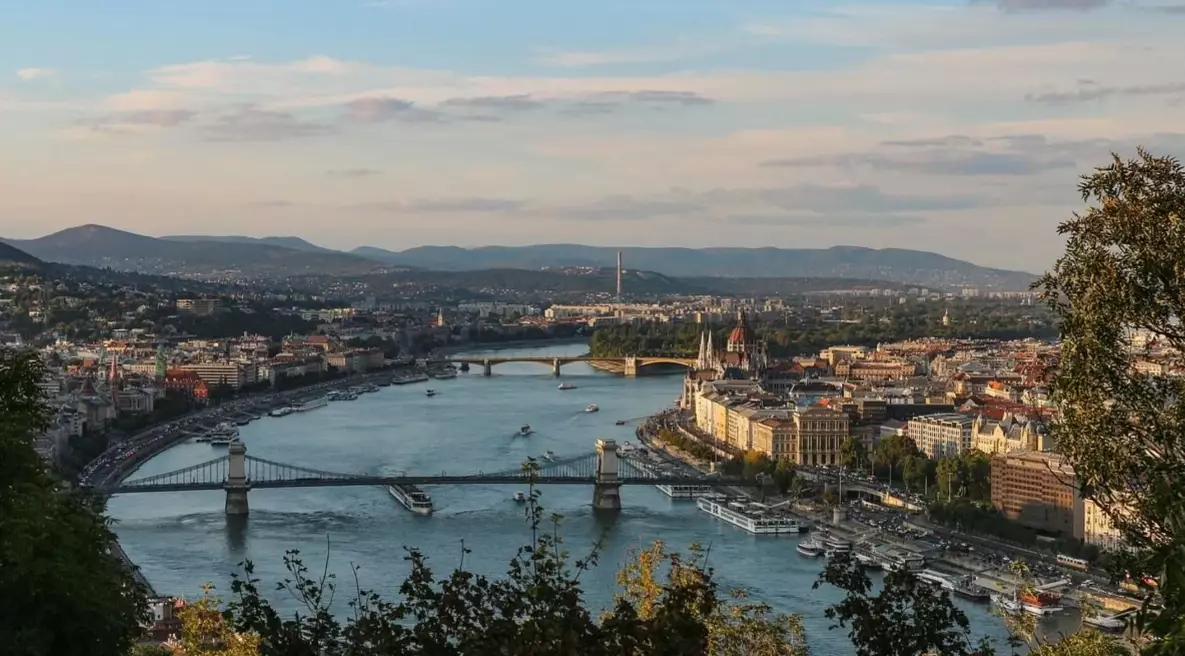
What to See and What It Costs
The Livraria Lello (Rua Carmelitas 144) charges €8 entry but deducts it from a book purchase. Go at 9 a.m.—by 11 the line wraps the block. The Porto Cathedral (Terreiro da Sé) is free to enter, though the cloister costs €3. Opening hours run 9:00–18:30 daily. Take metro line D to São Bento station; the walk uphill takes about 12 minutes.
Cheap Eats That Locals Actually Use
Casa Guedes (Praça dos Poveiros 56) serves a pork sandwich with cheese for €5.50. It's open 12:00–22:00, closed Sundays. A glass of house wine at Adega Rio Douro (Rua do Ouro 22) runs €2.20, and the grilled sardines are €7. My honest take: the famous francesinha is overpriced everywhere near Ribeira. Eat it at Café Santiago (Rua de Passos Manuel 226) for €10 instead of €18 down by the river.
| Item | Price | Where |
|---|---|---|
| Hostel dorm bed | €16–€22 | Rua da Alegria area |
| Metro day pass | €4.15 | Andante card |
| Museum entry (Serralves) | €10 | Rua D. João de Castro 210 |
Krakow, Poland: History Without the Price Tag
I'll be blunt: I expected Krakow to feel like a tourist treadmill. It didn't. A four-night stay in a private room at Hostel Atlantis (ul. Dietla 58) cost me 280 złoty (about €64 total). That's not a typo. The tram from the main station to the old town takes eight minutes and costs 4.60 zł one way.
Essential Sights and Real Costs
Wawel Castle (Wawel 5) has a complicated ticket system. The state rooms cost 29 zł; the treasury is another 29 zł. Wednesdays have free entry to some permanent exhibitions—I learned that from a local teacher in line, not from the official website. The Schindler Factory Museum (ul. Lipowa 4) charges 32 zł and sells timed tickets; book two days out. My regret: I showed up at noon on a Saturday and waited 45 minutes.
Food That Doesn't Punish Your Wallet
Milk bars are your friend. At Bar Mleczny Flisak (ul. Zwierzyniecka 1), a Polish plate of pierogi plus soup cost me 18 zł (about €4). Open 8:00–19:00 weekdays. The Stary Kleparz market (ul. Rynek Kleparski) has fruit stalls where I bought a punnet of strawberries for 6 zł. Skip the overpriced cafes on the main square—coffee there runs 15–18 zł versus 8 zł two streets back.
Budapest, Hungary: Thermal Baths on a Shoestring
Everyone tells you to visit the Széchenyi baths. I did—and paid 6,500 forints (about €17) for a locker that barely closed. Here's the non-consensus tip: the Lukács Baths (Frankel Leó út 25-29) charge 4,200 forints, and the crowd is mostly locals playing chess. Open 6:00–20:00, reachable by tram 4 or 6 to Margit híd.
Sleeping Cheap Without Sleeping Badly
Maverick City Lodge (Kazinczy utca 24-26) has dorm beds from €19. It sits right in the ruin bar district, which sounds loud but the windows are triple-glazed. I paid €22 for a Friday night and slept fine. The Budapest Bike Maffia hostel on Akácfa utca 24 runs €17 for a bed in a six-person room.
Meals Under €6
Bors Gastro Bar (Kazinczy utca 10) serves a big bowl of soup for 1,290 forints (€3.40). The Fény utca market (Fény utca 18) has a stall selling lángos with sour cream for 700 forints. I ate there three times in four days. One warning: many ruin bars add a 12% service charge automatically—check your receipt.
Riga, Latvia: Baltic Charm That Stays Affordable
Riga felt like a smaller, quieter Tallinn. A double room at Rixwell Old Riga Palace (Minsterejas 5) set me back €42 a night, breakfast included. The airport bus (number 22) drops you near the old town for €2.30, runs every 15 minutes.
Sights Worth Your Time
The Museum of the Occupation of Latvia (Latviešu strēlnieku laukums 1) is free, though donations are appreciated. Open 11:00–18:00. The Riga Central Market (Nēģu iela 7) is five hangars of food; entry is free, and I bought a smoked fish for €3. Note: the market closes at 18:00, earlier on Sundays.
Eat Like a Local
Lido (Elizabetes iela 65) is a canteen-style chain where a plate of potatoes, meat, and salad costs around €6. I went twice. Rocket Bean Roastery (Miera iela 15) charges €2.50 for a flat white—normal for Riga, shocking coming from Paris. One unpleasant moment: a bar near Town Hall Square tried to charge me €9 for a beer. Walk two blocks away and pay €4.
Sofia, Bulgaria: The Real Cost Breakdown
Sofia is the cheapest capital I visited. A three-night Airbnb near Vitosha Boulevard cost €61 total. The metro from the airport to the center runs every 10 minutes and costs 1.60 leva (€0.80). Yes, you read that right.
Free and Near-Free Activities
The Alexander Nevsky Cathedral (pl. Aleksandar Nevski) is free to enter, open 7:00–19:00. The National Palace of Culture park (pl. Bulgaria 1) hosts free outdoor events most summer evenings. I caught a jazz concert there on a Tuesday and paid nothing. The Roman ruins outside the metro station Serdika are just open to the public.
Cheap Eats and One Honest Warning
SupA Kitchen (ul. Tsar Ivan Shishman 22) does a lunch set of soup and main for 9 leva (€4.60). Hadji Draganov (ul. Hristo Belchev 32) is a bakery where a cheese pastry costs 2 leva. Now the warning: restaurants on Vitosha Boulevard charge double. Walk one street back to ul. Angel Kanchev and prices drop by half. I learned that after a €14 plate of chicken that tasted like nothing.
How Do You Pick an Inexpensive European Destination?
Ask yourself three questions before booking. First, can you handle cold? The Baltics and Poland are much cheaper in late November, but I froze in Riga in a coat meant for spring. Second, are you willing to eat where there are no English menus? Sofia and Krakow rewarded that habit. Third, what's your transit cost? A €20 flight to Budapest isn't cheap if the airport transfer costs €15 each way.
Here's my personal ranking based on what I actually spent per day (excluding flights):
- Sofia: €32–€38 daily
- Krakow: €36–€42 daily
- Porto: €44–€50 daily
- Riga: €40–€46 daily
- Budapest: €42–€48 daily
One pattern I noticed: in every city, the cheapest meals were within a five-minute walk of a university. Students don't pay tourist prices, and the cafes know it. In Krakow, that meant the streets around Jagiellonian University. In Sofia, around Sofia University. Use that as your map.
FAQ: Budget Europe Travel Questions
Is it actually possible to travel Europe on €30 a day without hating the trip?
Yes, but only in specific countries. In Sofia and Krakow, I averaged €34 and €39 daily including a dorm bed, three meals, and one paid attraction. In Porto, €30 only covers a hostel and groceries—you'll cook pasta and skip wine. The trick most guides miss: buy a multi-day transit pass on day one, not day two. I wasted €9 in Budapest buying single tickets before doing the math.
Which inexpensive European city is best for solo travelers who hate crowded hostels?
Riga surprised me here. The hostels along Miera iela tend to have four- to six-bed rooms, not sixteen-bed dorms, and they're quieter than Budapest's party hostels. I stayed at a small guesthouse on Skolas iela (€23 for a single room) and saw the same five people at breakfast every morning. The downside: fewer organized social events, so you have to start conversations yourself.
What hidden cost ruins a cheap European trip most often?
Currency exchange at the airport. In Budapest, the ATM at the terminal charged me a 12% markup without saying so. Use a bank ATM in the city center—I found one on Andrássy út with a 1.5% fee. Also, watch for "cover charges" at restaurants in Porto and Prague. If the menu has a line for couvert, you're paying for bread you didn't order. I started asking before sitting down.