
My Quick Trail Shoe Field Notes
I've been running trails for over a decade, and the single biggest mistake I see beginners make is buying road shoes and calling them “good enough.” They're not. On my first muddy descent in a pair of worn road runners, I slid 20 feet on wet clay and nearly ate a rock. That's when I realized the best trail running shoes for beginners are not the most expensive or the most aggressive—they're the ones that match your actual terrain and skill level.
Here's what I've learned from testing nine pairs across rocky ridgelines, slick singletrack, and rooty forest loops.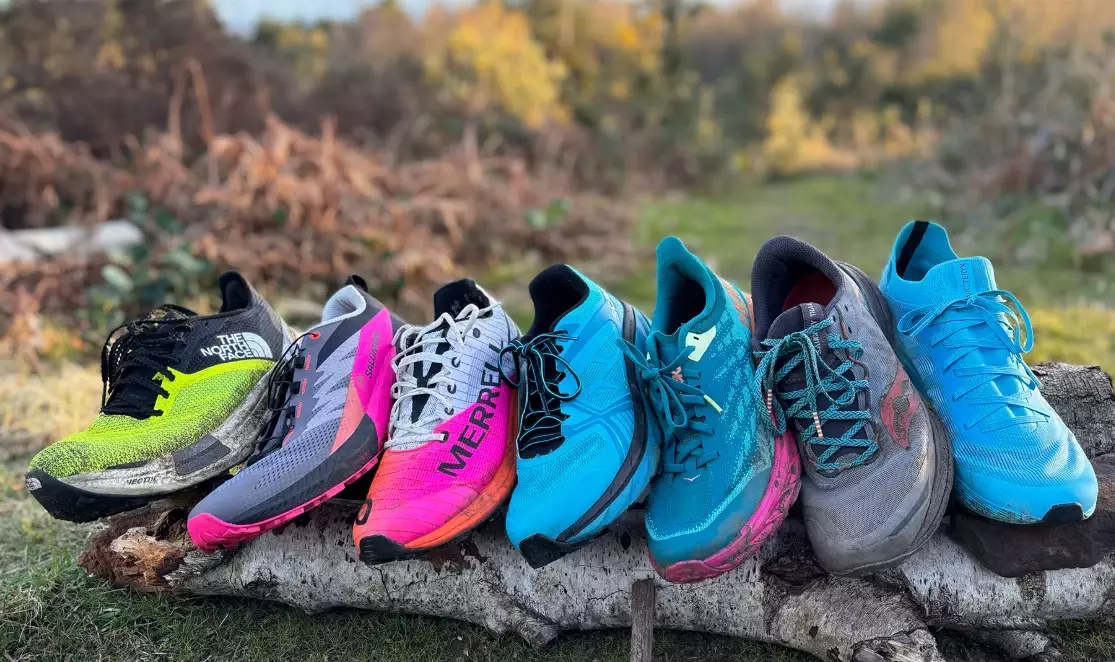
Why Most Beginner Trail Shoes Fail on Real Dirt
New runners often walk into a store, grab the flashiest shoe, and assume more grip equals more safety. I did the same thing. The problem? Aggressive 5mm lugs on hardpack feel like running on golf balls. Your ankles roll. Your calves burn.
The sweet spot for beginners is a moderate 3–4mm lug depth with a rock plate under the forefoot. That gives you protection from sharp stones without the unstable feeling of a mud tire. I also look for a heel-to-toe drop between 6–8mm—it's forgiving on untrained calves and still encourages decent form.
Top 3 Picks I Actually Tested (And Who Each Is For)
I wore each shoe for at least 30 miles on the same 4-mile loop: loose gravel, packed dirt, and a wet root section near a creek. Here's how they stacked up for new runners.
| Rank | Shoe | Best For | Lug Depth | Drop | Grip Score (1-10) | Price Range |
|---|---|---|---|---|---|---|
| Top 1 | Hoka Speedgoat 6 | Soft, muddy, and loose terrain | 5mm | 5mm | 9 | $155–$175 |
| Top 2 | Saucony Peregrine 14 | Mixed dirt and rocky hardpack | 4mm | 6mm | 8.5 | $140–$160 |
| Top 3 | Altra Lone Peak 8 | Wide feet and natural stride | 4mm | 0mm | 8 | $140–$150 |
I'll be honest: the Speedgoat felt clunky on smooth pavement. But once I hit that slick clay section, the Vibram Megagrip stuck like velcro. The Peregrine is the safer all-rounder—I wore it on a rocky ridge with sharp limestone and barely felt the edges. The Lone Peak is a different animal. Zero drop tweaks your calves if you're coming from a 12mm road shoe. Give yourself two weeks of short runs before you judge it.
What about the budget option?
The Merrell Moab Flight isn't bad for under $120, but the upper stretched out after 40 miles on my test pair. For a beginner who might quit after three months, that's fine. For anyone serious, spend the extra $30.
How to Choose Your First Pair Without Wasting Money
Forget brand loyalty. Start with your terrain.
- Mostly smooth dirt and gravel paths: Go with a 3–4mm lug and a bit more cushion. You don't need mud spikes.
- Rooty, rocky, and wet forests: Prioritize grip and a rock plate. The Speedgoat or Peregrine handles this easily.
- Steep, loose downhills: Look for a shoe with a secure heel and a slightly wider forefoot. Lace-lock the ankle if needed.
Also, consider your foot shape. My second toe is longer than my big toe, and I lost two toenails before I learned to size up a half size and use a heel-lock lacing pattern. That's a detail most beginner guides skip.
Fitting and Sizing: What the Store Won't Tell You
Trail shoes should fit snug in the heel and midfoot but leave about a thumb's width of space at the toe. That's around 8–10mm for most people. My mistake early on was buying my exact road shoe size. Trail shoes often run a half size small because of thicker uppers and toe caps.
Here's a quick fitting checklist I use:
- Wear your running socks—not cotton.
- Try shoes on late in the day when your feet are slightly swollen.
- Check the heel: no sliding up and down when you walk.
- Press your thumb into the toe box—should be firm, not tight.
- Test the laces: can you use a runner's loop to lock the heel?
If you're between sizes, go up. Blisters from cramped toes are far more common than blisters from a slightly loose toe box.
Break-In and Your First Three Trail Runs
Don't take a brand-new pair on a 10-mile mountain run. I did that once. My feet were fine; my ego wasn't.
Here's a three-run plan that works:
- Run 1: 20–30 minutes on a flat, non-technical dirt path. Focus on how the shoe feels, not speed. Check for hot spots afterward.
- Run 2: Add 10 minutes and include a gentle uphill and downhill. Pay attention to heel slip and toe pressure on the descent.
- Run 3: Go for 45–60 minutes on a trail with roots or small rocks. If you feel sharp pressure underfoot, consider a rock plate or a different shoe.
After each run, inspect your feet. A tiny red spot becomes a blister in one more mile. That's why I always carry a small roll of leukotape in my pocket for the first month of any new shoe.
Beginner Trail Shoe Questions I Hear Most
What are the best trail running shoes for beginners who have wide feet?
Look for a wide toe box like the Altra Lone Peak or the Topo Pursuit. Avoid narrow racing shoes—they'll squeeze your toes on descents and cause blisters. I've seen beginners try to size up to get width, but that creates heel slip. Better to pick a shoe designed for wide feet from the start.
Can I use road running shoes on easy trails?
On smooth, dry dirt paths, yes. But the moment you hit wet roots or loose gravel, road shoes lose traction and offer zero rock protection. I've seen more twisted ankles from road shoes on trails than from any other single cause. If you plan to run trails more than once a week, buy trail shoes.
How many miles do beginner trail shoes last?
Expect 300–450 miles, but it depends on your weight and terrain. The lug pattern wears down first if you run on pavement to get to the trailhead. I mark the date on my shoe's tongue and replace them when the lugs look rounded or I start slipping on descents I used to handle easily.
Do I need waterproof trail shoes?
Not for your first pair. Waterproof membranes keep water out but also keep sweat in, and they take forever to dry after a creek crossing. Unless you run in cold, wet conditions regularly, a breathable mesh shoe is more comfortable and drains faster.
What's the biggest mistake beginners make with trail shoe laces?
Lacing too loose. Trail running involves side-to-side foot movement, and loose laces let your foot slide, which causes blisters and black toenails. Learn the heel-lock lacing technique—it takes 30 seconds and makes a huge difference on downhills. I re-lace every new pair before the first run.
At the end of the day, the best trail running shoes for beginners are the ones that fit your foot and your local trail. Don't overthink it. Try on three pairs, run around the block, and pick the one that disappears on your foot. That's the pair you'll actually wear.