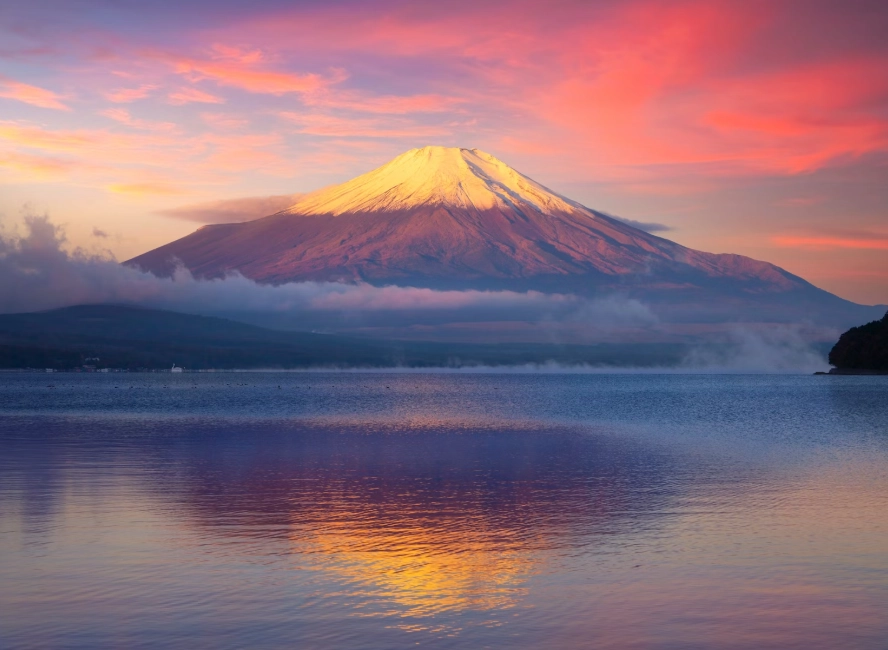
Yes, you absolutely can visit Mount Fuji without a tour, and in many ways, it's the better choice for travelers who value flexibility, personal pace, and a deeper sense of adventure. I've stood at the summit multiple times, both with groups and completely on my own, and the self-guided experiences were far more memorable. The idea that you need a tour to navigate Fuji is a myth. With some basic planning, you can handle the transportation, trail access, and logistics yourself. This guide isn't just theory; it's the exact blueprint I wish I had before my first solo trip to Fuji, covering the nitty-gritty details most generic articles skip.
What's Inside This Guide
Why Go Solo vs. Joining a Tour?
Let's cut to the chase. A tour sells convenience: a bus picks you up in Tokyo, a guide herds you up the trail, and you have a reserved spot in a crowded hut. You pay a premium for this. Going independently isn't about being cheap—it's about crafting your own experience.
On my first guided climb, I was stuck with a group whose slowest member dictated our pace. We reached the summit late and missed the sunrise by minutes. The guide spoke only Japanese, leaving non-Japanese speakers confused. The "included" dinner at the hut was a rushed affair of cold curry rice because we arrived with three other tour groups.
When I went alone, I chose the Subashiri Trail for its quieter, forested start. I left at a time that suited my energy, stopped for as long as I wanted at the eighth station to chat with other climbers, and secured a spot at a smaller hut where the keeper shared stories over hot tea. The freedom was transformative.
How to Get to Mount Fuji Without a Tour
This is the part that intimidates people the most, but it's surprisingly straightforward. Your gateway is the Fifth Station (Go-gome) on your chosen trail. You don't climb from the bottom; you take transport to this mid-mountain point where the hiking truly begins.
From Tokyo to the Yoshida Trail Fifth Station
The most popular route for a day trip or first climb. From Shinjuku Station in Tokyo, take the direct Fuji Excursion Limited Express train to Kawaguchiko Station. The ride takes about 1 hour 55 minutes and requires a reserved seat. From Kawaguchiko Station, transfer to the Fuji Subaru Line bus bound for the Yoshida Trail Fifth Station. The total bus ride is about 50 minutes.
I recommend buying a one-way train ticket and a round-trip bus ticket at Kawaguchiko. The bus schedule is tightly coordinated with train arrivals during climbing season. Miss the bus? Taxis are available but will cost you around 15,000 yen for the trip up the winding road.
From Tokyo to Other Fifth Stations (Gotemba, Subashiri)
For the Gotemba or Subashiri trails, head to Shinjuku Station and take a highway bus directly to the Gotemba Trail Fifth Station or the Subashiri Trail Fifth Station. These buses are seasonal (July-September) and less frequent. Booking online in advance via platforms like Japan Bus Online is non-negotiable. I once saw a dozen hopeful climbers turned away because they thought they could just show up.
The Four Main Trails Explained
Picking your trail is the most important decision you'll make. Each has a distinct personality. Here’s the breakdown from my own boots-on-the-ground experience.
| Trail | Fifth Station Altitude | Ascent Time | Key Character | Best For |
|---|---|---|---|---|
| Yoshida Trail | 2,305m | 5-7 hours | Most developed, most huts, most crowded. The "main highway." Sunrise views are iconic but shared with hundreds. | First-timers, those wanting maximum facilities, easy access from Tokyo. |
| Subashiri Trail | 2,000m | 5-7 hours | My personal favorite. Quiet, beautiful forest start until it merges with Yoshida near 8th station. Fewer crowds, more nature. | Climbers seeking a more serene, scenic experience away from the masses. |
| Gotemba Trail | 1,450m | 7-9 hours | Longest, least crowded, most challenging. Starts lower, so you gain more altitude. Loose volcanic scree on descent. | Experienced hikers wanting solitude and a serious physical challenge. |
| Fujinomiya Trail | 2,400m | 4-6 hours | Shortest but steepest ascent. Direct access from Shizuoka side. Can feel relentlessly steep. | Those short on time, coming from Nagoya or western Japan. |
A subtle point most miss: on the Yoshida Trail, the ascent and descent paths are separate. This is a huge benefit—you won't be fighting against a stream of exhausted people coming down. On the Subashiri Trail, you descend through a vast field of volcanic sand. It's like skiing down a mountain of dust; it's fun and fast but can be tough on the knees and fills your boots with grit no matter how tightly you lace them.
What You Need for an Independent Climb
Forgetting something on Fuji isn't a minor inconvenience; it's a safety issue. Shops at the Fifth Station are limited and expensive. This isn't a casual hike.
- Proper Footwear: Sturdy, broken-in hiking boots with ankle support. Trail runners are a bad idea due to sharp rocks and unstable scree.
- Layered Clothing: Temperatures range from summer heat at the base to near-freezing at the summit, even in August. A moisture-wicking base layer, insulating mid-layer (fleece/puffer), and a waterproof/windproof shell are essential. Gloves and a warm hat are not optional.
- Headlamp: If you're climbing for sunrise (most do), you will start hiking in the dark. A hands-free light is critical.
- Water & Snacks: Carry at least 2 liters of water. You can buy more at huts, but at 500-700 yen per bottle. High-energy snacks like nuts, chocolate, and onigiri (rice balls) are fuel.
- Cash: Cards are useless on the mountain. You need yen for the 1,000 yen mandatory climbing donation, bus fares, hut fees, food, drinks, and the toilet (200-300 yen per use).
- Oxygen Can & Trekking Poles: A small portable oxygen can from a drugstore can help with mild altitude discomfort. Trekking poles save your knees, especially on the descent.
One item rarely listed: a small plastic bag for your trash. There are no public trash cans on the mountain. You carry everything out.
Where to Sleep: Mountain Huts & Base Towns
Unless you're an ultra-fit speed climber doing a day hike, you'll need to sleep. You have two options: a mountain hut near the 7th or 8th station, or a hotel at the base followed by a very early morning climb.
Mountain Huts (山小屋 Yamagoya)
This is the classic Fuji experience. Don't expect luxury. You're paying for a spot on a tatami mat in a shared dormitory, a simple dinner (often curry or stew), and a light breakfast. Reservations are absolutely mandatory and should be made months in advance for peak season. Websites like the official Mount Fuji site list contact info. Prices range from 8,000 to 12,000 yen per person with meals.
My stay at Taishikan Hut on the Yoshida Trail was basic but unforgettable. The "bed" was a numbered space barely wider than my shoulders. At 2 AM, the hut staff woke everyone for the final summit push. It was chaotic, cold, and somehow magical.
Hotels in Kawaguchiko or Fujiyoshida
If you can't handle the hut conditions, stay in a town like Kawaguchiko. You'll get a proper bed and shower. The catch? You need to catch the first bus (often around 1:00 AM or 2:00 AM) to the Fifth Station to start climbing in time for sunrise. This makes for a very long, exhausting night. It's viable, but it turns the climb into a brutal marathon with no rest.
Your Independent Fuji Questions Answered
Climbing Mount Fuji without a tour is not only possible, it's the most rewarding way to experience Japan's iconic peak. It demands more preparation, but in return, you get a genuine adventure tailored by you, for you. The memory of watching the sunrise from the summit, earned entirely on your own terms, is one that sticks with you forever. Just remember to check the official climbing season status before you go, pack diligently, and respect the mountain.
This guide is based on personal experience and information from the official Mount Fuji climbing website and Japan National Tourism Organization. Conditions and schedules can change.